
Why safety gear matters before the first swing
In a rage room, the point is controlled release, not chaos. That means the protective gear is just as important as the items being smashed, because it helps keep glass, chips and sharp fragments away from the face, hands and body. Before anyone enters the room, the team should explain the gear, check that it fits properly and make sure every participant understands the ground rules.
At a practical level, proper gear also helps people relax into the experience. When someone knows their eyes, hands and clothing are covered, they can focus on the session instead of worrying about a stray piece of debris. For group bookings in Woodstock, or for a staff social coming in from Stellenbosch or Bellville, that prep makes a big difference to how the session feels.
The gear is there for one simple reason: to reduce avoidable injury. A brief, clear fitting at the start saves trouble later, especially when you have a mixed group with different heights, sizes and levels of confidence.
Helmet and face shield: protecting the head and eyes
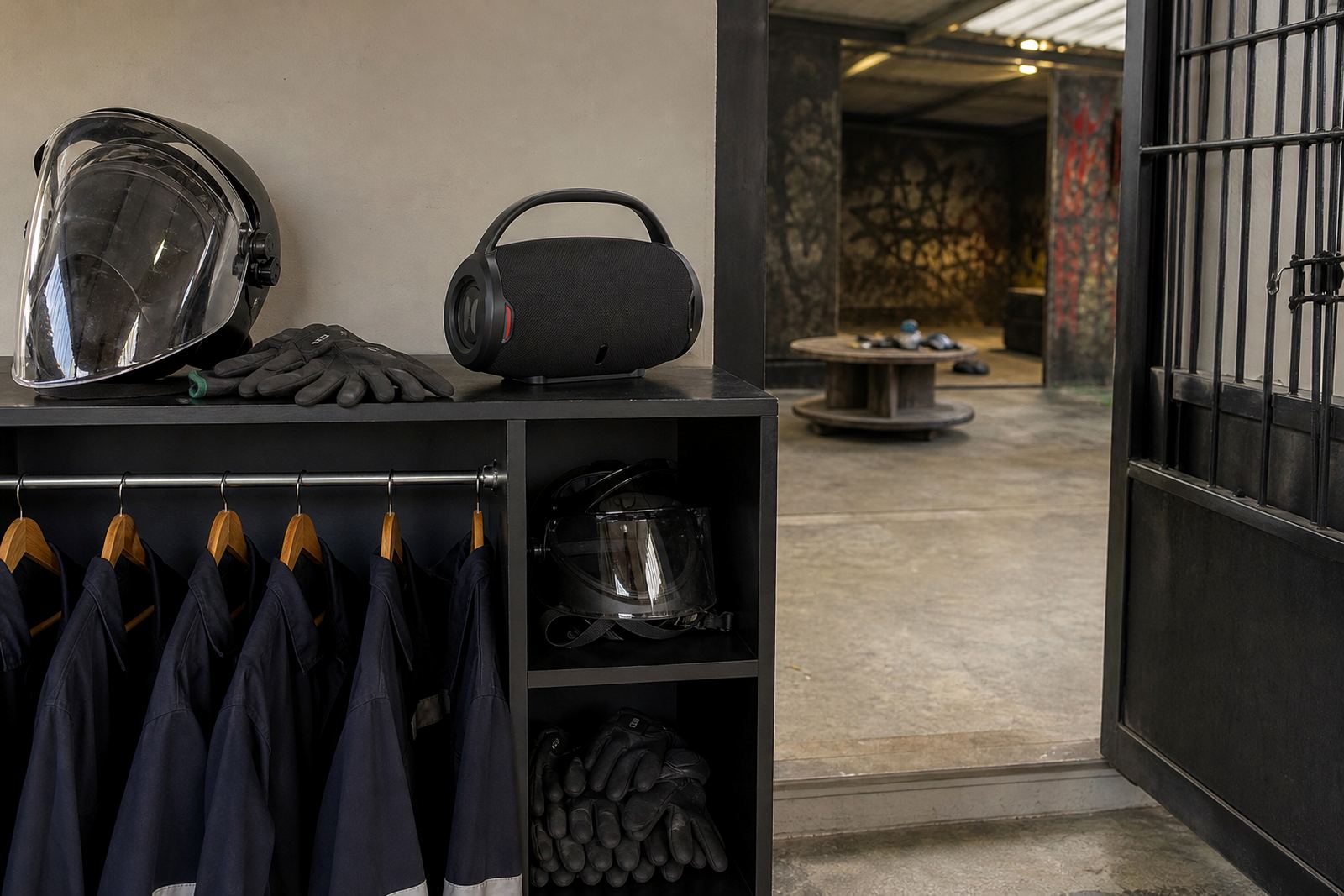
The helmet is the first layer of protection. It helps shield the head from accidental knocks, while the face shield guards the eyes and face from flying fragments. In a smash session, that matters because even small pieces can travel faster than people expect, especially when an item breaks unevenly.
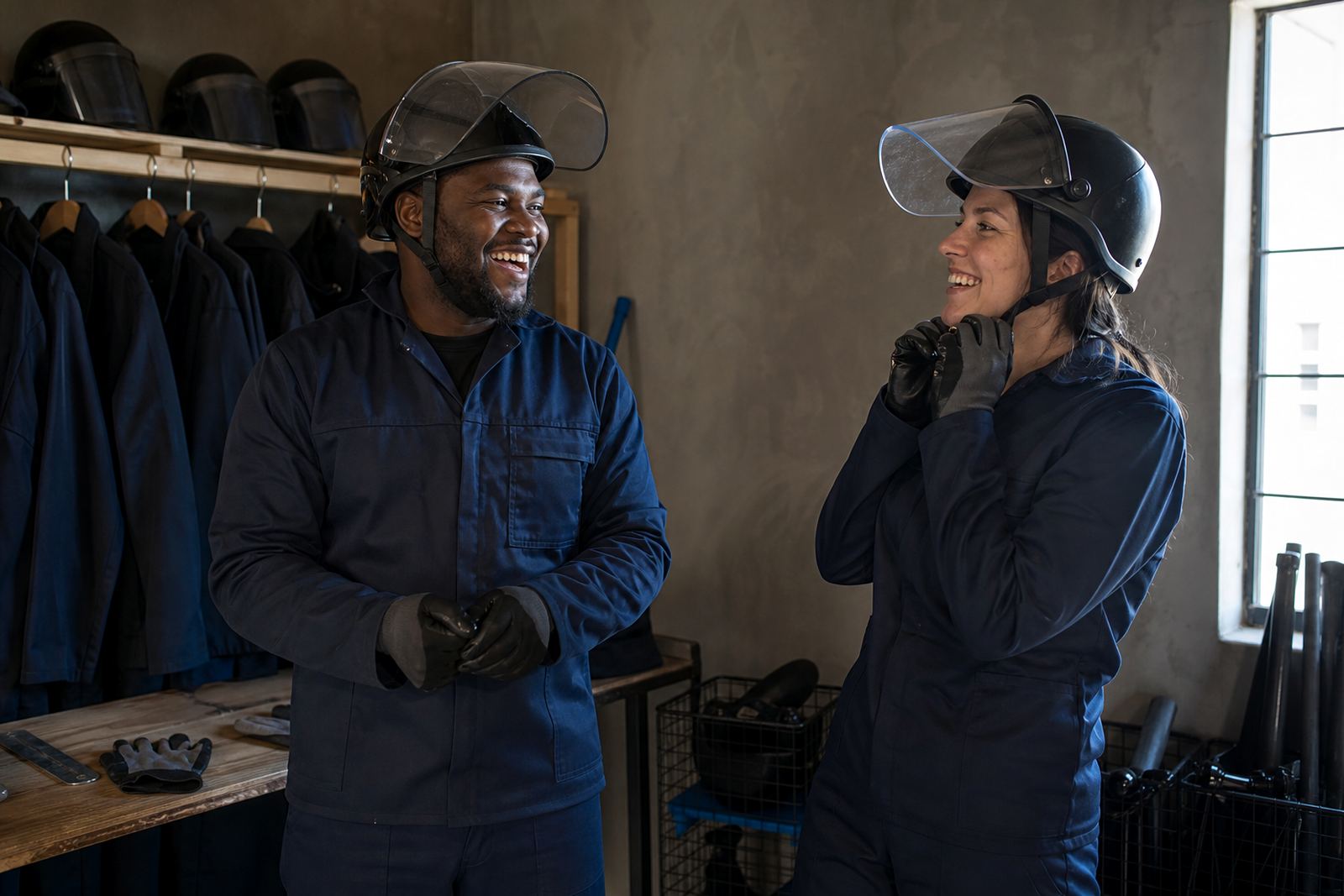
A proper fit is important. The helmet should sit snugly, not tilt back, and the face shield must stay down during active smashing. If the visor is lifted for any reason, the session should pause until it is back in place. This is not about being fussy, it is basic control in a setting where broken material can scatter.
- Keep the helmet level and secure before entering the room.
- Check that the face shield is clean enough to see through clearly.
- Do not lift the visor while someone else is swinging.
- Report any cracked or loose gear before the session starts.
In Cape Town coastal air, clear visibility matters even more if there is a bit of humidity on the visor. Good briefings should include a quick check so participants can see properly from the first minute to the last.
Gloves: keeping grip steady and hands covered
Gloves are there for grip and protection. In a rage room, people are holding bats, bars or other striking tools, and those handles can become slippery once you start moving fast. Gloves help steady the grip and add a layer between the hands and any small bits of debris that may land nearby.
They also reduce minor scrapes when someone is moving around broken material on the floor. That does not mean gloves make a session careless. It still matters to swing with control, watch your footing and wait for the go-ahead before stepping into another person's space.
Good gloves should fit properly without being too bulky. If they are oversized, the grip can feel loose. If they are too tight, hands tire quickly. For mixed group events in Somerset West or Paarl, a quick size check at the start helps the whole group settle in faster.
- Choose gloves that allow a firm grip on the tool handle.
- Make sure fingers can move without strain.
- Keep gloves on for the full session unless staff say otherwise.
- Do not use torn or badly worn gloves.
Overalls and clothing: the layer people often underestimate
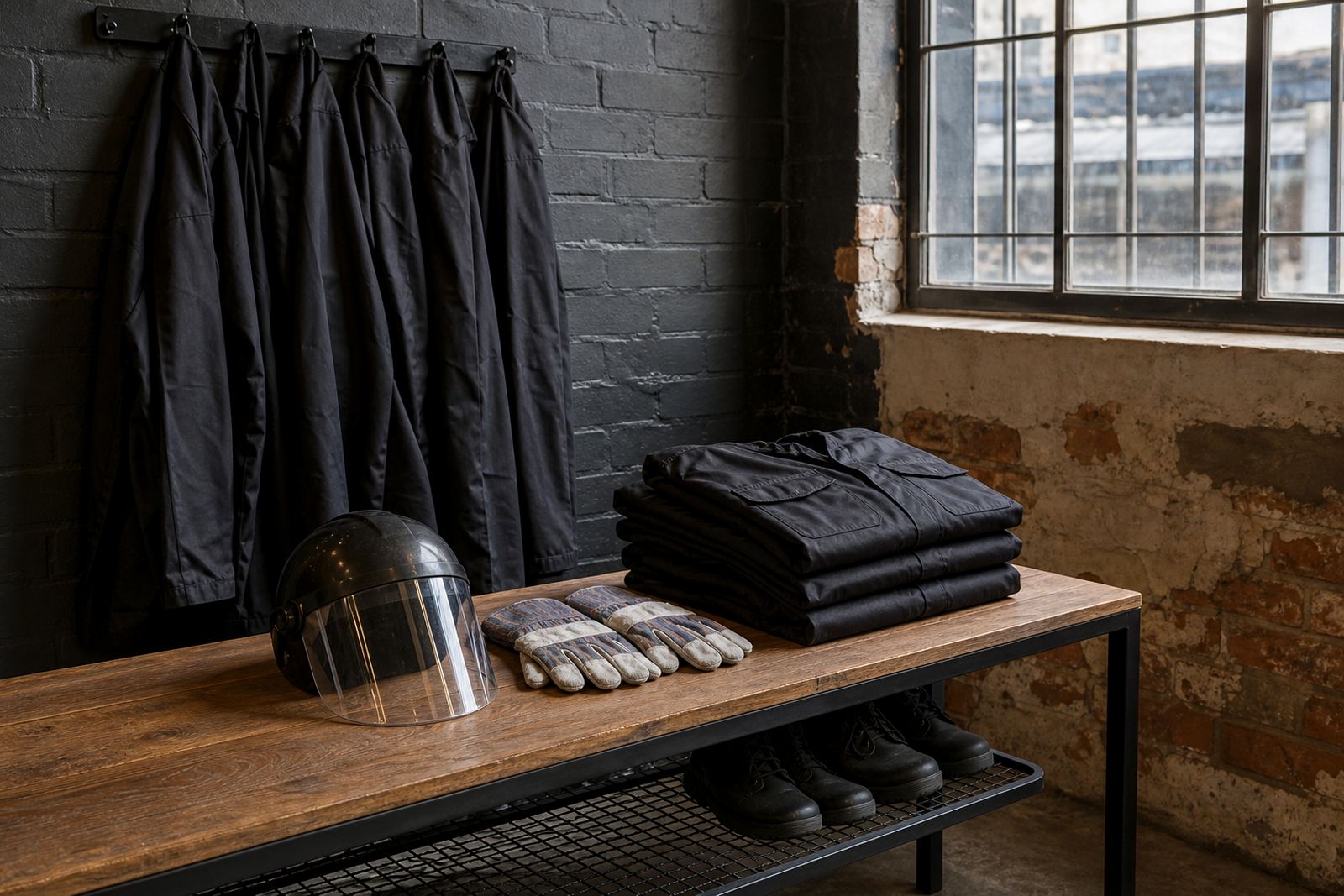
Overalls do more than protect clothes. They help cover arms and legs, which is useful when a session involves fragments bouncing lower than expected. They also create a clear barrier between the participant and the smashed material, which is handy when people are moving close to the floor or turning quickly after a swing.
Long sleeves, long legs and closed shoes are part of the basic dress standard for a reason. Open shoes leave feet exposed and loose clothing can get in the way. If someone arrives in something unsuitable, they should be asked to change or adjust before entering the room. That is not harsh, it is common sense.
For team events from Salt River to Observatory, this is one of the easiest safety points to get right. A clean set of overalls also helps participants feel like they are properly kitted out, which makes the session feel organised from the start.
- Wear the full overall as instructed, zipped or fastened properly.
- Keep sleeves and legs down for the whole session.
- Use closed shoes with a solid sole.
- Avoid loose jewellery, scarves or items that can catch.
What a proper safety briefing should cover
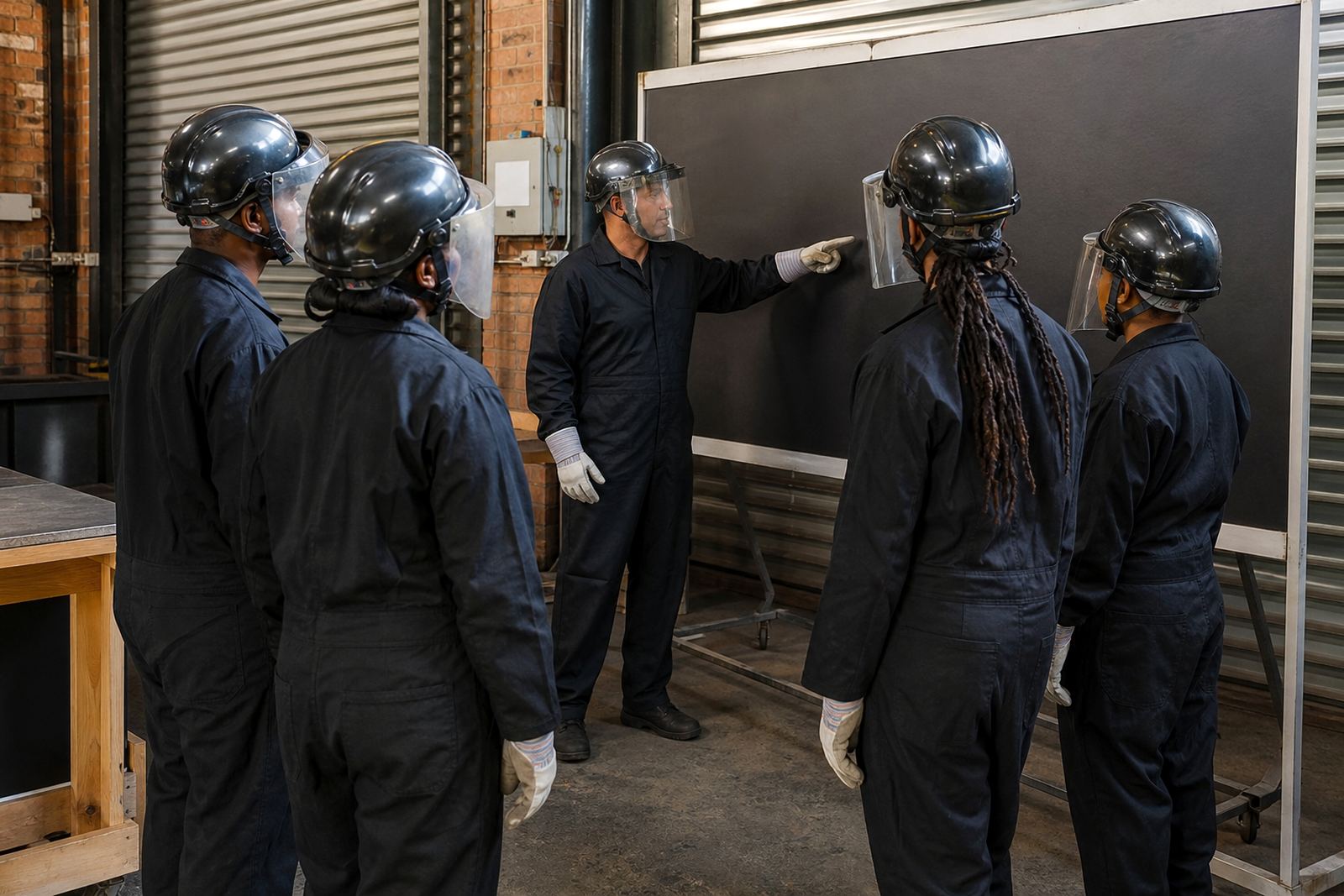
The gear only works well when the briefing is clear. Before a session starts, the team should explain how to wear each item, how to move in the room and what to do if something feels unsafe. That includes where to stand, when to swing, when to step back and how to hand over tools safely.
A good briefing also covers age limits and supervision. Minimum ages should always be set and followed, with younger participants handled according to the venue's rules. It is also sensible to separate first-time participants from the more confident ones at the start, because not everyone moves at the same pace.
For groups from Bellville or a birthday booking in Woodstock, a briefing keeps the energy up without losing control. It helps everyone understand that the session is meant to be fun, but still needs discipline and attention.
- Listen before anyone enters the room.
- Confirm the correct size and fit of every item of gear.
- Wait for staff instruction before each round begins.
- Follow the stop signal immediately if it is called.
How safety gear supports different group bookings
Safety gear matters whether one person is smashing a few items or a full group is taking turns. In team building, it helps keep the pace orderly. In private events and birthday bookings, it gives guests confidence even if they have never done anything like this before. For student groups, sports clubs and staff socials, the same rules apply, which keeps things fair and consistent.
Mobile events and content shoots need the same careful setup too. If a session is being run off-site, the equipment should still be checked, fitted and explained in the same way as it would be at the Woodstock venue. The location may change, but the standards should not.
A local example makes this easy to picture. A group from Stellenbosch arrives for a Friday afternoon session after a long week. They get the briefing, put on the helmet, face shield, gloves and overalls, then take turns in a controlled space with clear instructions. That structure is what keeps the session practical and manageable, even when the mood in the room is high.
Small checks that make a big difference
Most safety problems in a rage room are avoided by small habits. Checking a strap, tightening a visor, choosing the right shoe and keeping hands covered may sound basic, but those little steps are what keep the session on track. The best way to think about the gear is simple: it is there to support the experience, not get in the way of it.
If you are planning a group event in Cape Town, Paarl, Somerset West or Bellville, ask about the briefing process and how the equipment is issued before the session starts. A good setup should feel clear, calm and practical from the moment the group arrives. That is how you keep the energy high and the risk low, without overcomplicating the day.
For any enquiry, clients should use the form on the contact page so the team can match the booking to the right setup and group size.