
Why a rage room works in a team day plan
A team day works best when people do something together, not just sit through the same agenda. A rage room gives the group a shared physical activity that breaks up the usual routine and creates a clear high point in the day. It suits teams that want something practical, quick to explain and easy to fit around lunch, transport and other programme items.
In Cape Town, where many groups travel in from Woodstock, Bellville, Somerset West or Stellenbosch, timing matters. A session can be built into a half day or full day plan without taking over the whole schedule. That makes it useful for staff socials, planning days, launch events and end of quarter get-togethers.
- Works well as a centrepiece activity or a short energetic stop in the middle of the day
- Gives people a new shared experience without needing special skills
- Can be planned for small teams or larger group bookings
- Fits neatly around transport, lunch and post activity networking
How to structure the day so everyone stays engaged
The easiest mistake is to make the rage room the only thing on the schedule. A better plan is to give the day a simple shape. Start with arrival, a short welcome and tea or coffee. Then move into the session itself, followed by a calmer part of the day such as a meal, a debrief or an awards moment. That balance matters because people need time to settle before and after the activity.
For groups with mixed personalities, it helps to vary the pace. Some people want action right away, while others need a few minutes to warm up. A clear run sheet keeps the day moving and avoids that awkward stretch where everyone is waiting around with nothing to do. Even a basic order, with three or four blocks, can make the whole outing feel more organised.
- Arrival and welcome
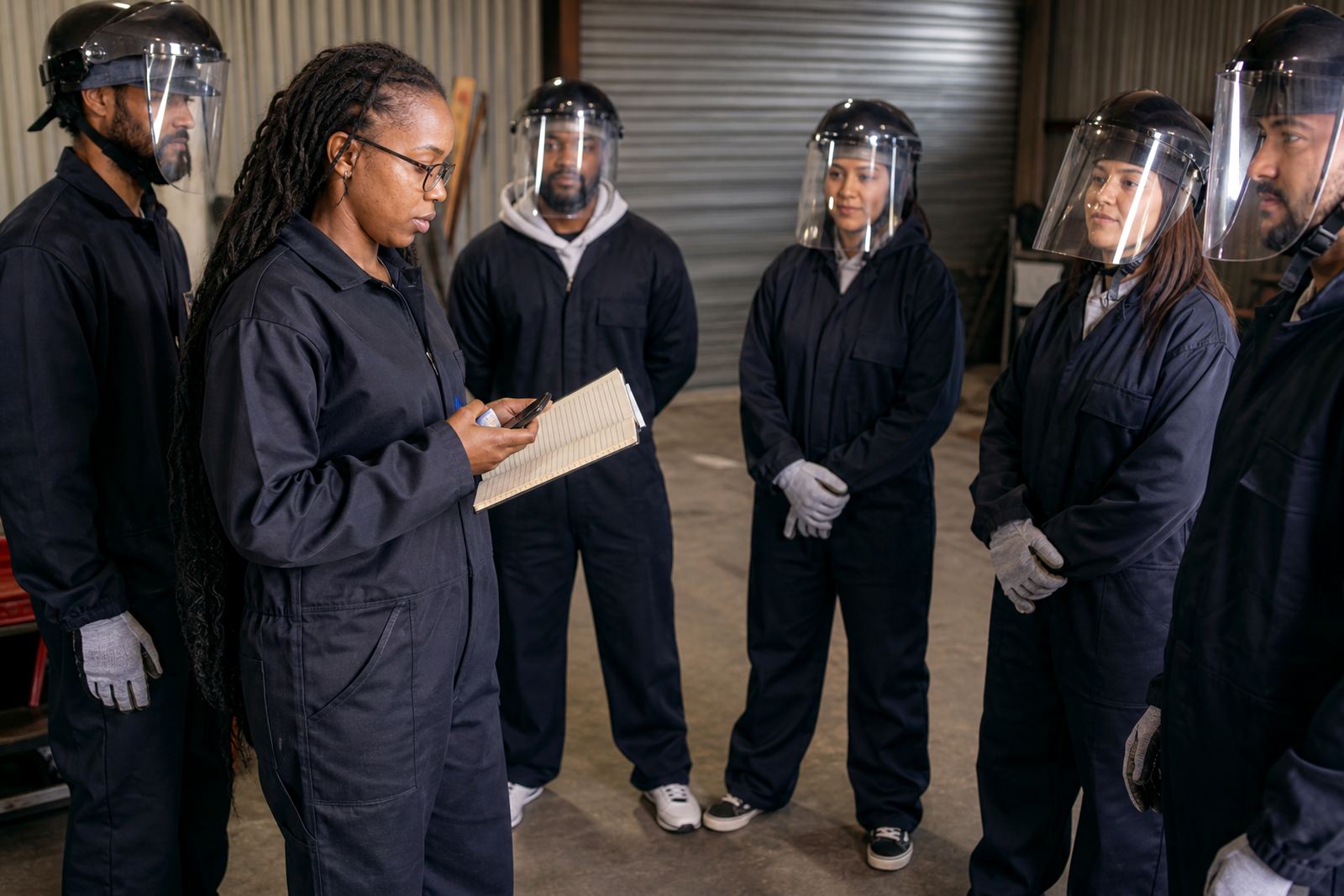
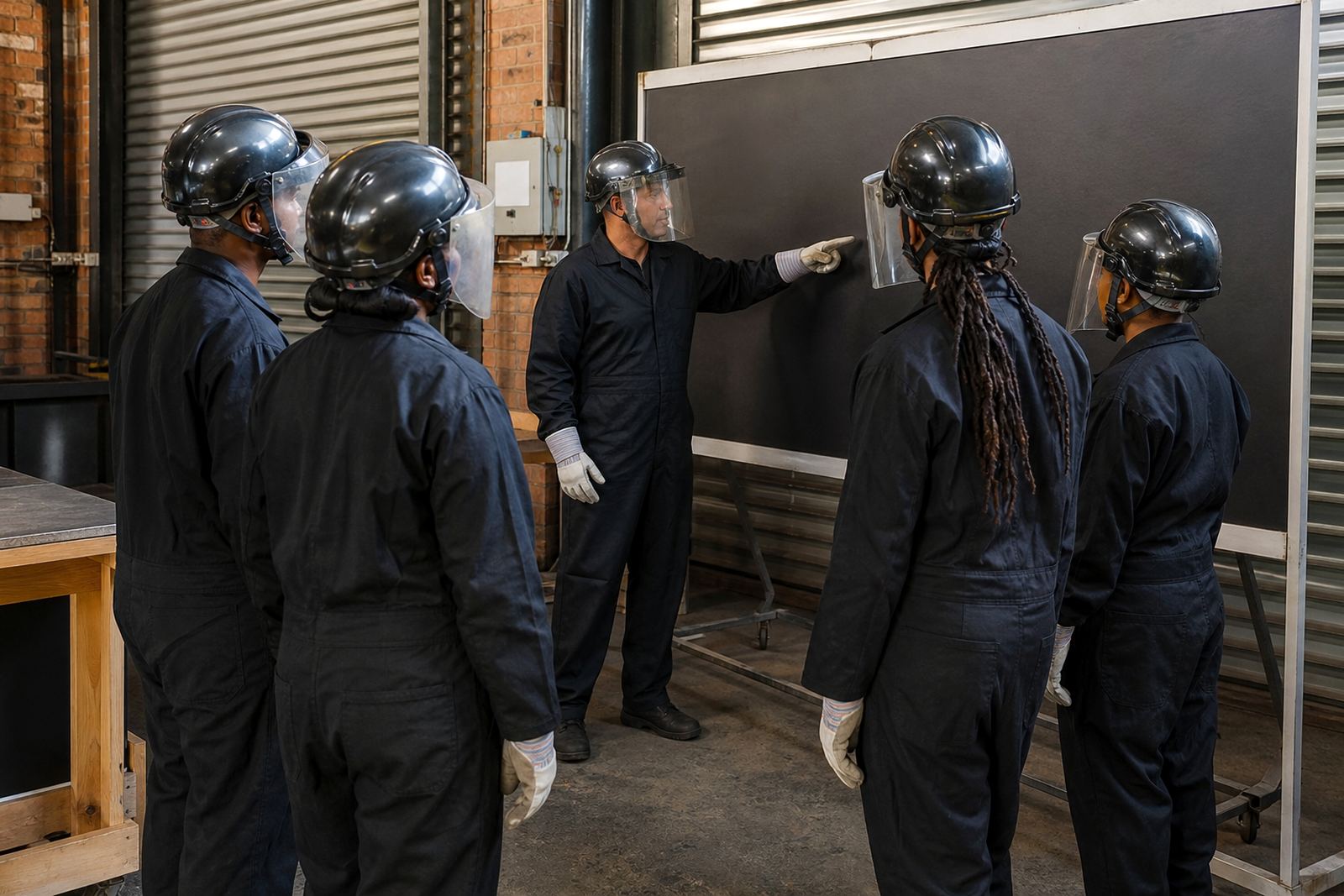
- Safety briefing and gear up
- Rage room session
- Lunch or refreshments
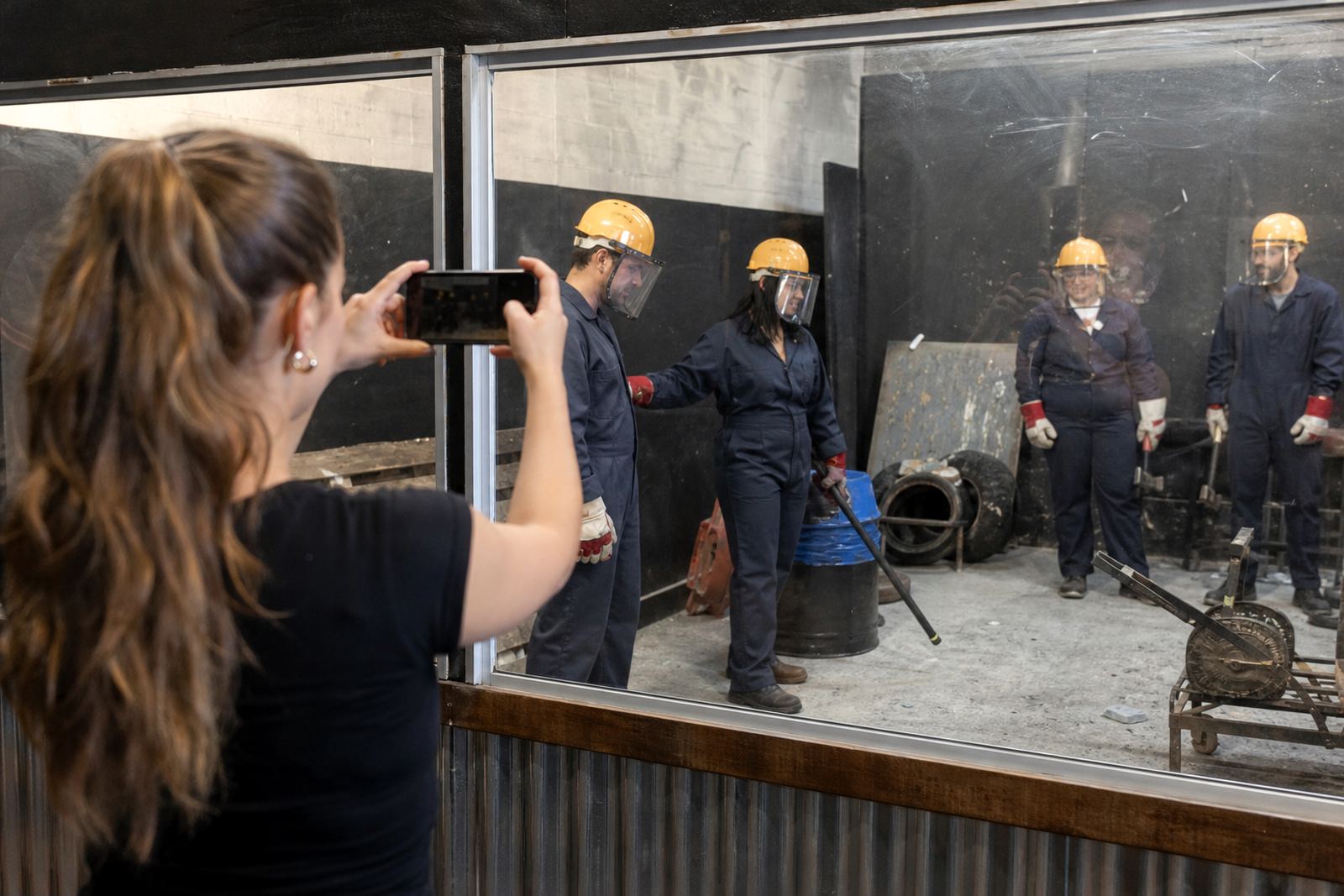
- Optional discussion, prizes or photo time
What the safety side should include
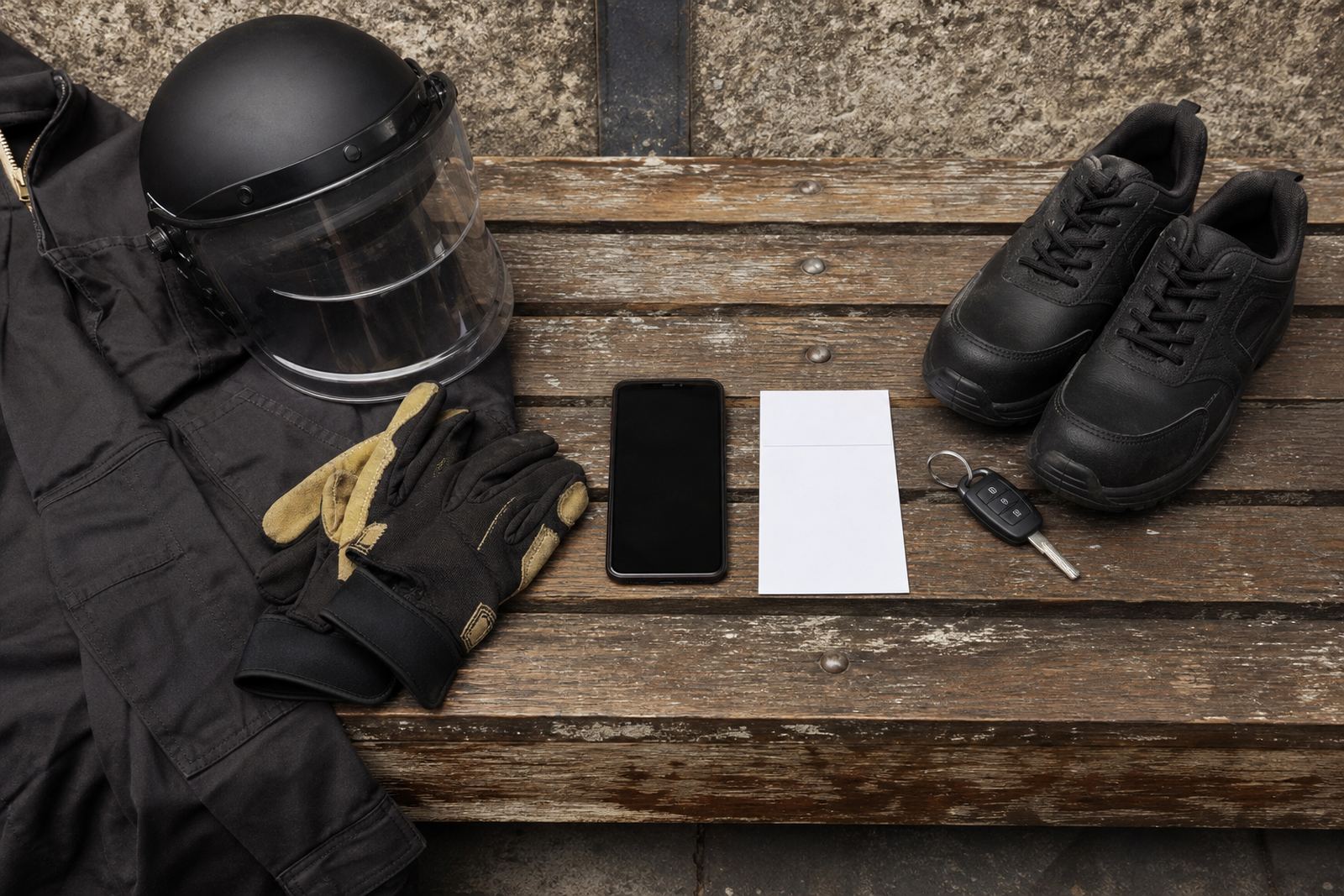
Any group activity that involves breaking items must start with a proper briefing. Everyone should know how the session works, what is allowed and what is not. Safety gear should be worn properly, including a helmet, face shield, gloves, overalls and closed shoes. That is standard for a controlled smashing session and it helps keep the focus on the experience rather than on avoidable mistakes.
Minimum age rules should be explained clearly before the booking is confirmed. This is especially important for mixed groups where younger participants may be included. A good venue will also make sure people understand spacing, turn taking and how to move safely in the room. If there are extra needs in the group, such as limited mobility or special event requirements, those should be discussed upfront so the day can be planned properly, and no one is left guessing.
Ideas for different kinds of team days
Not every team day has the same goal. Some are about reconnecting after a busy quarter. Others are for new staff to meet properly, or for a company to mark a milestone. A rage room can fit into each of those formats if the rest of the day is planned well.
For smaller teams, the session can be part of a tighter plan with breakfast, the activity and a casual lunch. Larger groups may prefer rotating slots, so everyone gets time in the room without crowding the venue. If the team includes people from different branches or areas, the activity gives them something shared to talk about that is not work related for once.
- Staff socials for small and medium teams
- Quarterly planning days with a lighter closing activity
- New team welcome events
- Recognition days for sales, operations or support teams
- End of year group bookings
A practical Cape Town example for a mixed team
Take a team travelling in from Bellville, Observatory and Somerset West for a Thursday outing in Woodstock. Start with a morning coffee stop close to the venue, then run the rage room session before lunch. After that, keep the group nearby for a relaxed meal and a short prize or thank you segment. If the weather turns windy, which happens often enough near the coast, keeping the main activity indoors makes the day far easier to manage.
This kind of plan also helps with transport. People arrive, do the activity, then settle into the rest of the day without moving across the city multiple times. For businesses with staff coming from different parts of Cape Town, that can save time and reduce confusion. It is a simple approach, but it works. The day feels organised without being stiff and there is still room for a laugh or two afterwards.
What to sort out before the booking is confirmed
The best team days are the ones that are easy to run on the day itself. That starts with getting the basics right before the group arrives. If the booking is for a private event, staff social, team building session or event coordination package, it helps to confirm numbers early and keep the contact person clear. Any food, transport or add on activities should be aligned with the main schedule so nothing overlaps awkwardly.
For groups travelling from outside Cape Town, it is also sensible to allow a little buffer time. Traffic on the N1 or N2 can change the plan quickly, and no one enjoys starting the day in a rush. A smooth arrival sets the tone for the rest of the programme and lets the group focus on the activity rather than on logistics. Good planning makes the whole day feel easier.