
Why Music Matters Before The First Swing
In a group session, music helps everyone arrive at the same pace. Some people walk in ready to go, while others need a few minutes to settle, listen to the briefing and get comfortable with the safety gear. A playlist can bridge that gap and make the room feel organised rather than rushed.
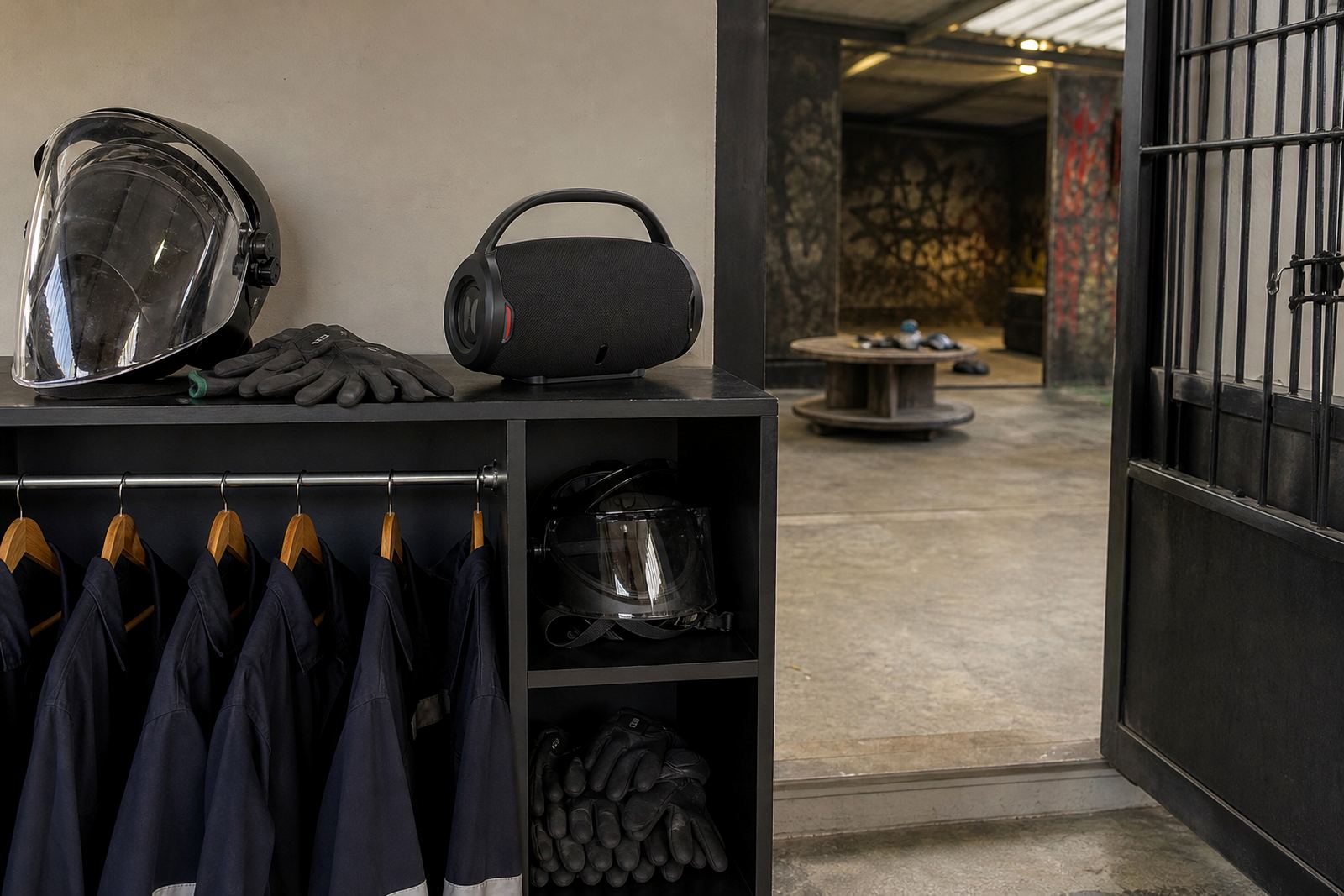
For venue teams, music also helps shape the flow of the booking. A slower track at the start can give the briefing room a calmer feel, then a stronger beat can lift the mood once helmets, face shields, gloves, overalls and closed shoes are sorted. It sounds simple, but it often helps groups move together and avoid confusion.
- Start with tracks that are easy to talk over during the briefing
- Lift the tempo once the session begins
- Keep volume at a level where staff instructions can still be heard clearly
Keep The Playlist Inside Venue Rules
Every session has house rules, and music should fit around them. Staff must be able to give safety instructions, manage turns and step in quickly if needed. A playlist that is too loud, too aggressive in volume or constantly being changed can interrupt the session and make the room harder to manage.
For that reason, many venues prefer a pre-approved playlist or a simple request list set before the group arrives. That way the team can keep the focus on safety, timing and equipment, not on searching for songs between turns. In Woodstock, where group bookings can include office teams from the city bowl or friends from nearby areas, this keeps the session tidy and on schedule.
- No blocking staff announcements
- No sudden volume spikes
- No offensive content if mixed age groups are present
- No switching devices mid-session unless the venue allows it
Choosing Songs For Different Group Types
The best playlist depends on who is in the room. A birthday group may want a high-energy mix, while a staff social often works better with a broader selection that suits mixed tastes. Student groups may lean toward current hits, but even then it helps to balance fast tracks with a few that allow a breather between turns.
When you are planning music for a private event or team event, think about the group size and the mood you want to create. A smaller session can handle more variety, while a larger one works better when the music is familiar and easy to follow. The aim is not to impress people with obscure choices, but to keep the room moving together.
- Team building: steady, upbeat tracks that keep the pace even
- Birthday events: familiar crowd-pleasers
- Hen and stag groups: lively songs, but still suitable for the full room
- Student events: high energy with enough variety to keep interest up
How Music And Briefings Work Together
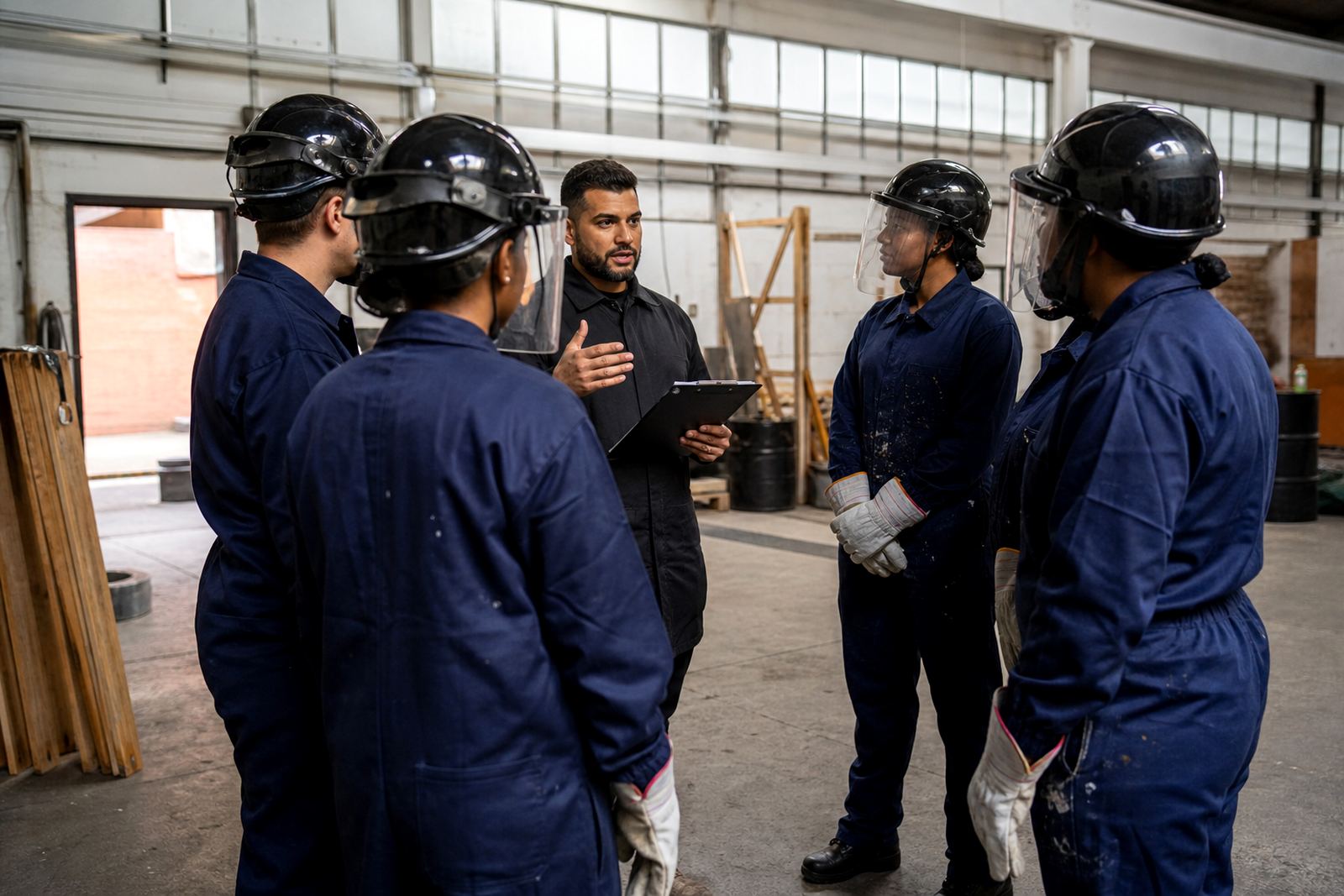
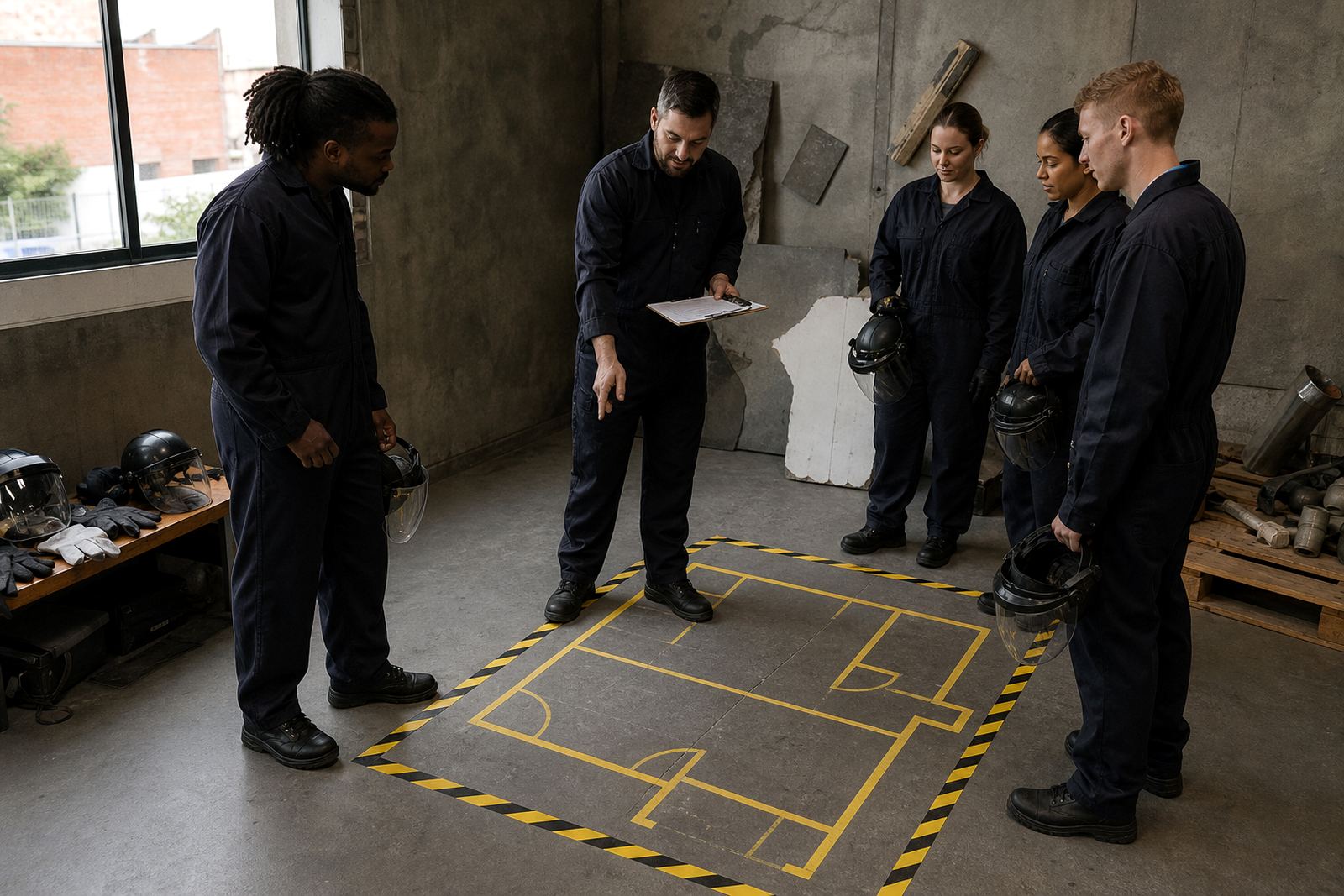
Before anyone steps into the smash area, the briefing sets the tone. Staff explain the safety rules, how the gear should fit, how turns are managed and what to do if someone needs a pause. Music should sit behind that process, not compete with it.
A practical approach is to keep the first few minutes quiet enough for instructions, then bring in the music once everyone is geared up. That helps avoid missed details and gives the group a clear start point. It also means the music feels like part of the session, not a distraction from it.
For bookings in Cape Town, Stellenbosch, Paarl, Somerset West and Bellville, that balance matters because groups often arrive with different expectations. One person may want a loud social event while another simply wants a well-run session with friends or colleagues. A good playlist helps both.
Local Example From Woodstock To The Winelands
Picture a Saturday group in Woodstock. The first part of the booking starts with a calm track while everyone signs in and gets their safety gear on. After the briefing, the music shifts to something faster and the room lifts immediately. People who came in quiet start smiling, the group chats more, and the session feels connected without losing control.
That same approach works just as well for a team event from Stellenbosch or a birthday group from Paarl. The music does not need to be complicated. It just needs to match the pace of the room and respect the venue rules. In Cape Town traffic and coastal humidity already make people arrive a bit uneven, so a clear musical rhythm helps everyone settle faster.
- Use the first track to settle arrivals
- Use the middle section to raise energy
- Use the final tracks to wind down before the group leaves
What To Share With The Venue Before Your Booking
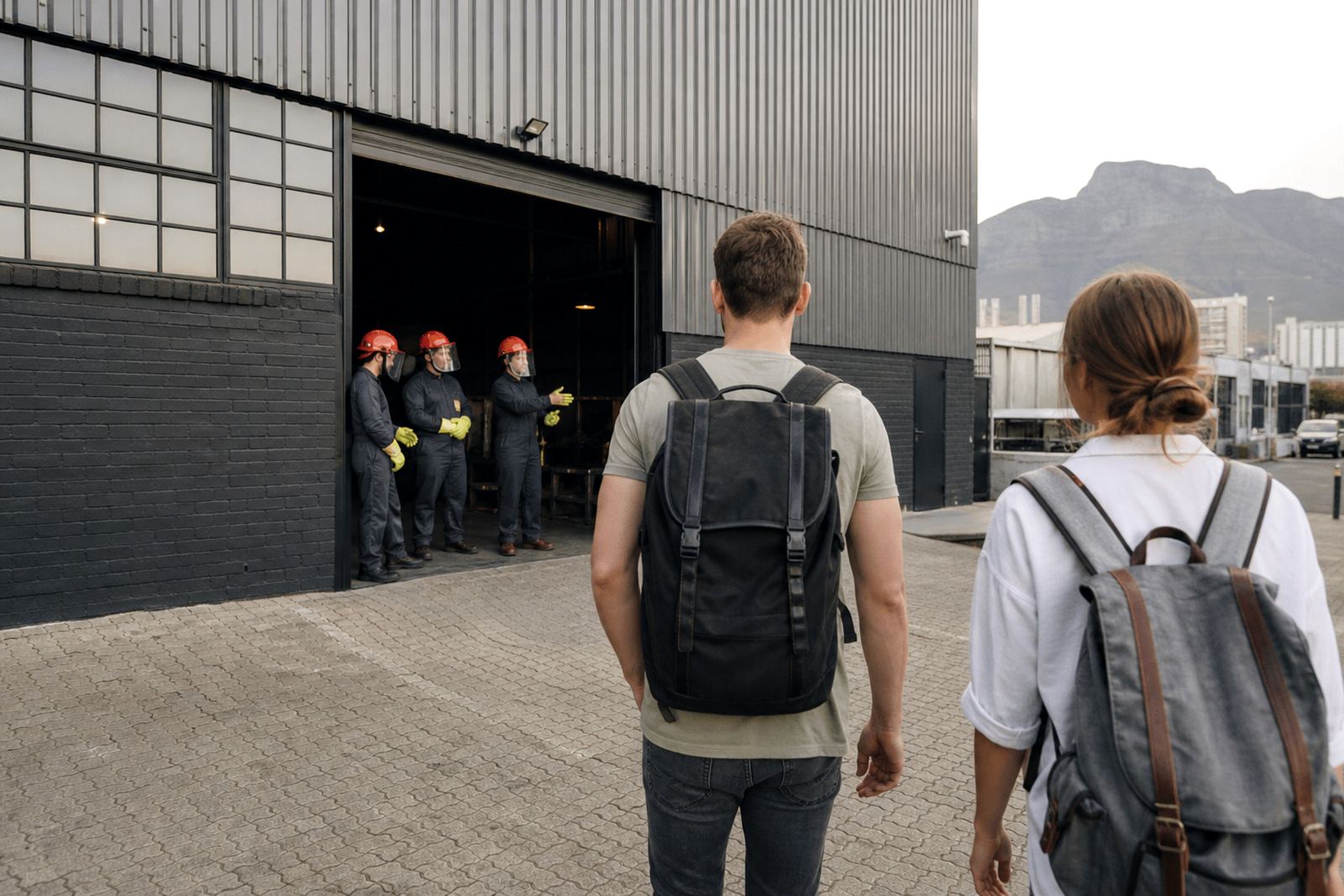
If you want music to support your group session, it helps to share a few details before the day. That gives the venue team time to plan around your booking and keep everything practical. For mobile events or larger group bookings, the same thinking applies even if the session is taking place outside the Woodstock base.
Helpful details include who is coming, the kind of event you are planning and whether you want a softer or louder mood. The venue can then work the music around safety briefings, gear checks and group timing. It is a simple step but it makes the experience feel more organised and less rushed.
- Group type and approximate size
- Preferred mood, such as upbeat or mixed tempo
- Any age-related requirements for the session
- Whether the booking is for a venue session or a mobile event