
Why the first 15 minutes shape the whole session
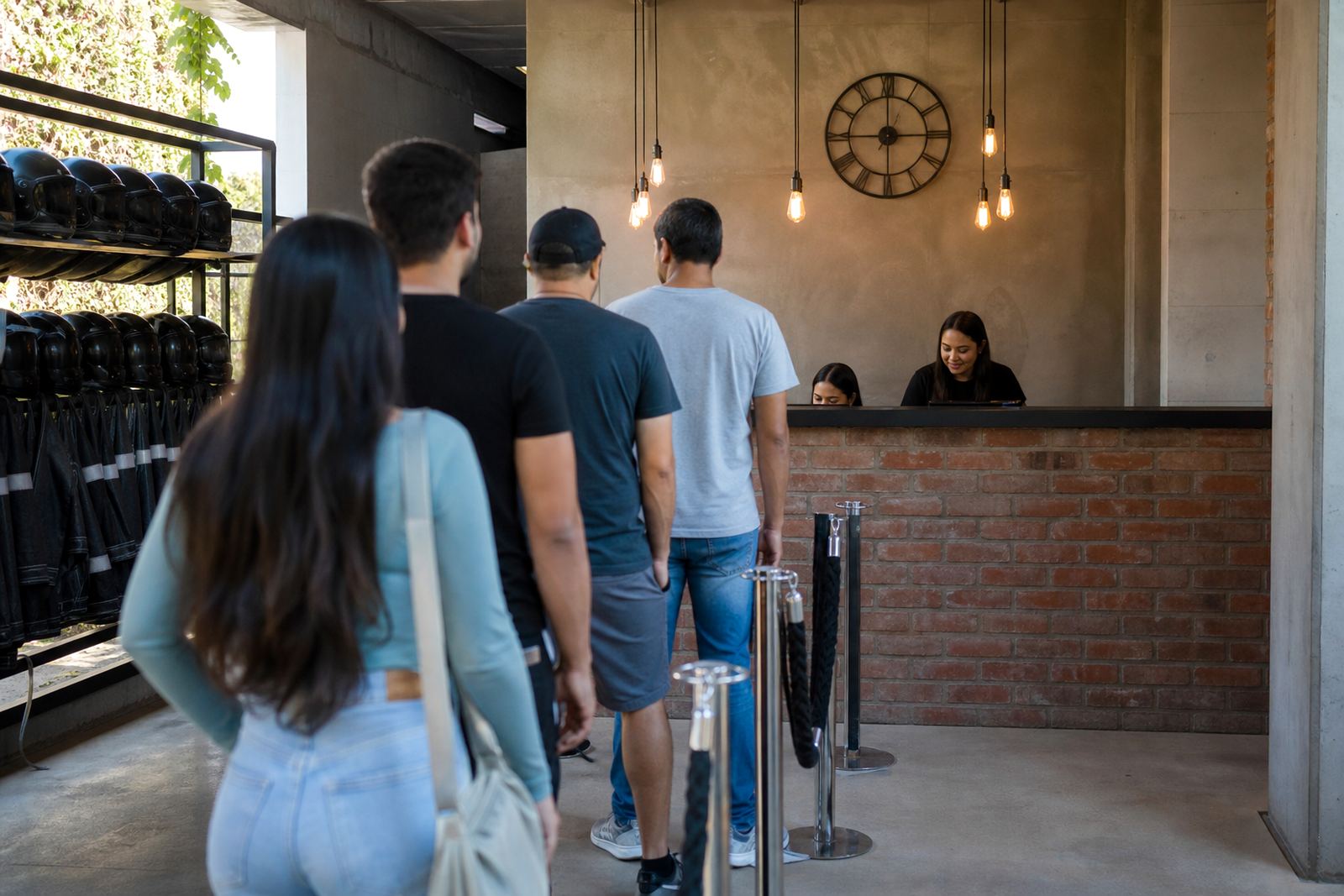
At SmashDown, the session does not begin the moment you walk through the door. It starts with a proper check-in, a short safety briefing and the fitting of protective gear so everyone enters the room ready and informed. When people arrive late, the whole group waits, the timing shifts and the session feels rushed before anyone has even picked up a hammer.
That early window matters because rage rooms work best when the group moves together. One late arrival can delay the briefing for everyone, especially on team events where organisers have booked a tight slot. The first few minutes are also when staff explain what is allowed, what must stay on, and how to move around safely in a confined space. It is practical, not complicated, but it needs time.
What happens before the smashing starts
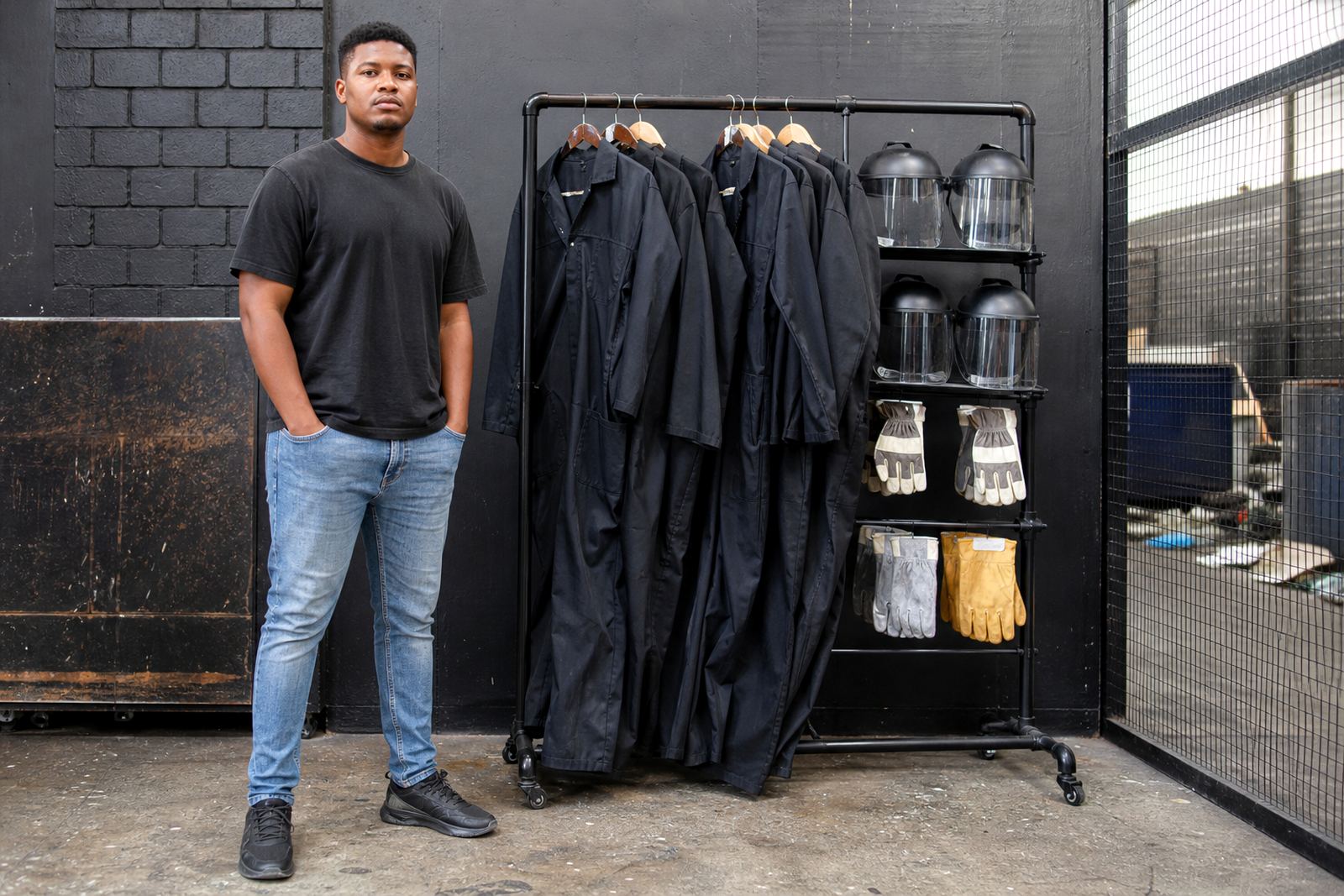
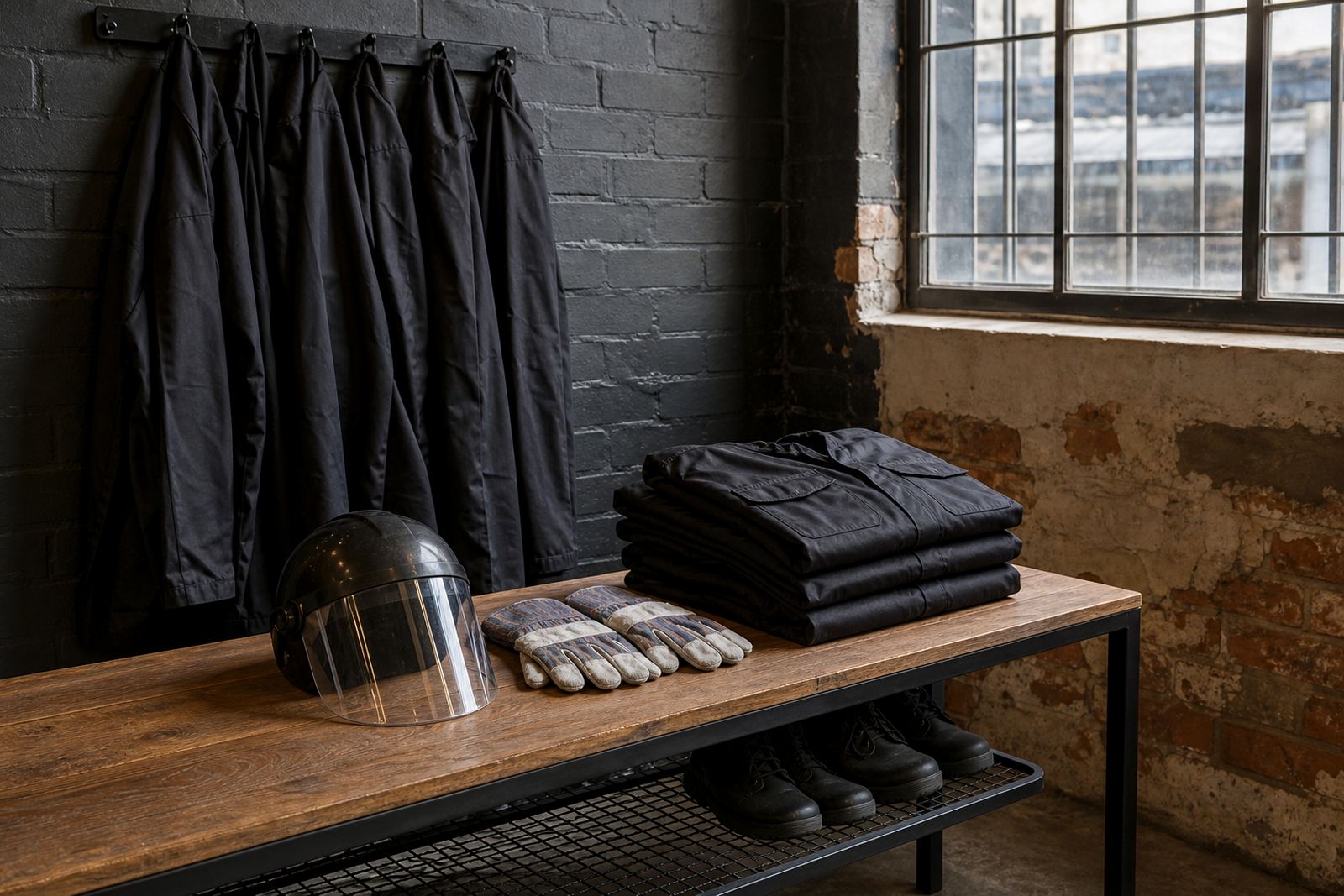
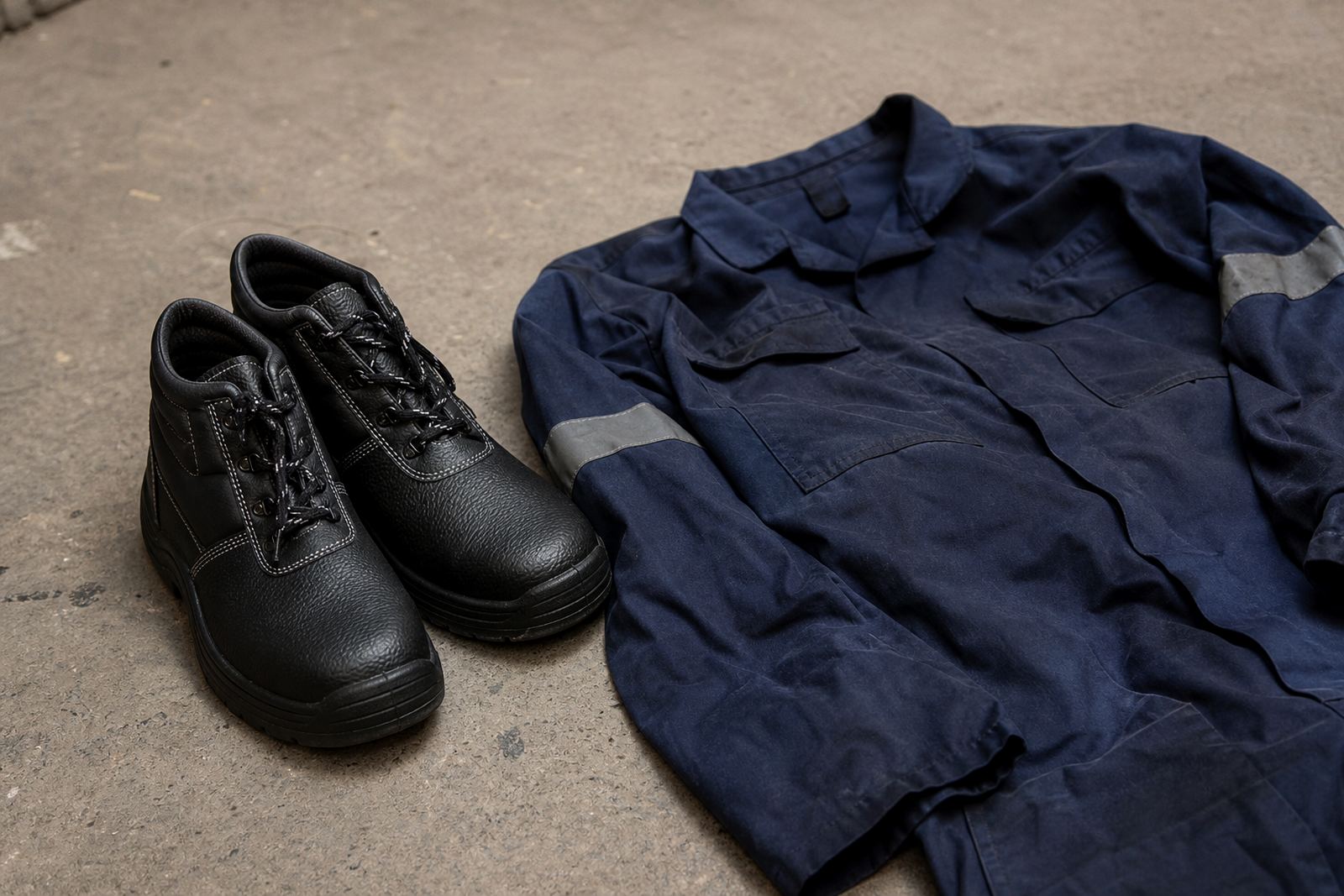
Before any item is broken, each participant is taken through the basics. The team checks that the right size helmet, face shield, gloves and overalls are fitted properly, and that everyone is wearing closed shoes. If someone arrives in sandals or open shoes, they will not be able to go in until they are properly dressed for the session.
A good briefing also covers spacing, communication and how to handle tools safely. This is especially important for first timers who may be excited and moving fast. Arriving early gives the team time to answer questions, sort out gear and avoid the awkward scramble that happens when people arrive at the last minute and still need to settle in.
- Bring a valid booking confirmation and arrive with enough time to check in
- Wear closed shoes from the start, not just after the briefing
- Remove loose accessories before the session begins
- Listen for instructions on the room, tools and safe movement
Group bookings run better when everyone is there on time
For birthdays, staff socials, student groups and team building bookings, punctuality is not just polite, it keeps the whole event moving. Groups often need a few minutes to sort out waivers, divide into smaller teams and get fitted properly. If one or two people are late, the rest may end up waiting in the lobby while the schedule gets squeezed.
That affects the energy of the event. A group that starts together tends to relax faster, take the briefing more seriously and enjoy the flow of the session. It also helps the venue team manage the room safely, because staff can brief everyone in one go instead of repeating instructions for late arrivals. For organisers, this means fewer delays and less pressure on the day.
- Set an internal arrival time 15 to 20 minutes before your booking
- Ask your group to travel together where possible
- Build in extra time for parking, traffic and finding the venue
- Nominate one person to handle the booking details on arrival
Cape Town traffic, parking and local timing realities
In Woodstock and the surrounding areas, timing can be affected by real local conditions. After rain, traffic can move slowly through Cape Town and parking is not always quick, especially when events are happening nearby. If your group is coming from Stellenbosch, Paarl, Somerset West or Bellville, allow extra time for peak-hour delays, construction zones and the usual stop-start traffic on busy routes.
That small buffer makes a big difference. A 10 minute delay can mean rushed gear fitting, a shortened intro or a stressed start for everyone. In a practical sense, arriving early is the easiest way to protect the flow of your booking. It is also the best way to keep the group calm if someone has to search for a parking bay or if a taxi arrives a bit late.
For mobile events or off-site bookings, punctuality matters even more. The team needs time to unpack, check the layout and brief guests before the session begins. If the event is at a school hall, sports club or office building, there may also be loading access rules or security checks to work through first.
A smooth arrival is part of the safety process
Smash rooms are controlled environments, but they still rely on good preparation. Arriving on time means staff can do their safety checks without rushing, and participants can hear every instruction clearly. That includes how to move in the room, where to stand, how to use equipment and what to do if anything feels uncomfortable.
It also gives the team a chance to spot small issues before they become problems. Maybe someone has the wrong shoe type, maybe a glove size needs changing, or maybe a participant missed part of the briefing. These are simple fixes when there is time, but not when the session is already meant to start. The few extra minutes before the booking are what keep the whole experience orderly.
For younger groups, minimum age rules and adult supervision requirements may apply depending on the booking type. Arriving early helps the venue confirm details calmly instead of trying to sort them out under pressure at the door.
How to plan your arrival without stress
The best way to avoid a late start is to treat your booking like any other scheduled activity with a set arrival buffer. If your session is at the Woodstock venue, plan for the road, parking and a quick check-in before the briefing begins. If you are bringing a large group, ask everyone to arrive at the same point rather than trickling in over 10 or 15 minutes.
One local example says it all. A Friday afternoon group travelling from Bellville may think they have enough time because the drive looks short on the map. Then traffic builds, one person cannot find parking, and three others still need to change shoes. The booking starts late, the briefing is rushed, and the group loses the first part of the flow. When that same group leaves earlier and arrives together, the session starts calmly and everyone gets the full experience.
Whether it is a private event, team booking or birthday outing, timing is part of the service. Arrive on time, listen closely and give the team enough room to fit everyone properly. That is how the session stays safe, organised and worth the trip.