
Why the first five minutes shape the whole session
In a rage room, the briefing is not just a quick talk before the action begins, it is the bit that keeps the session organised from start to finish. People often arrive excited, especially for birthdays, team events, hen and stag groups, or a Friday afternoon booking after a long week in Cape Town. That energy is fine, but it needs structure.
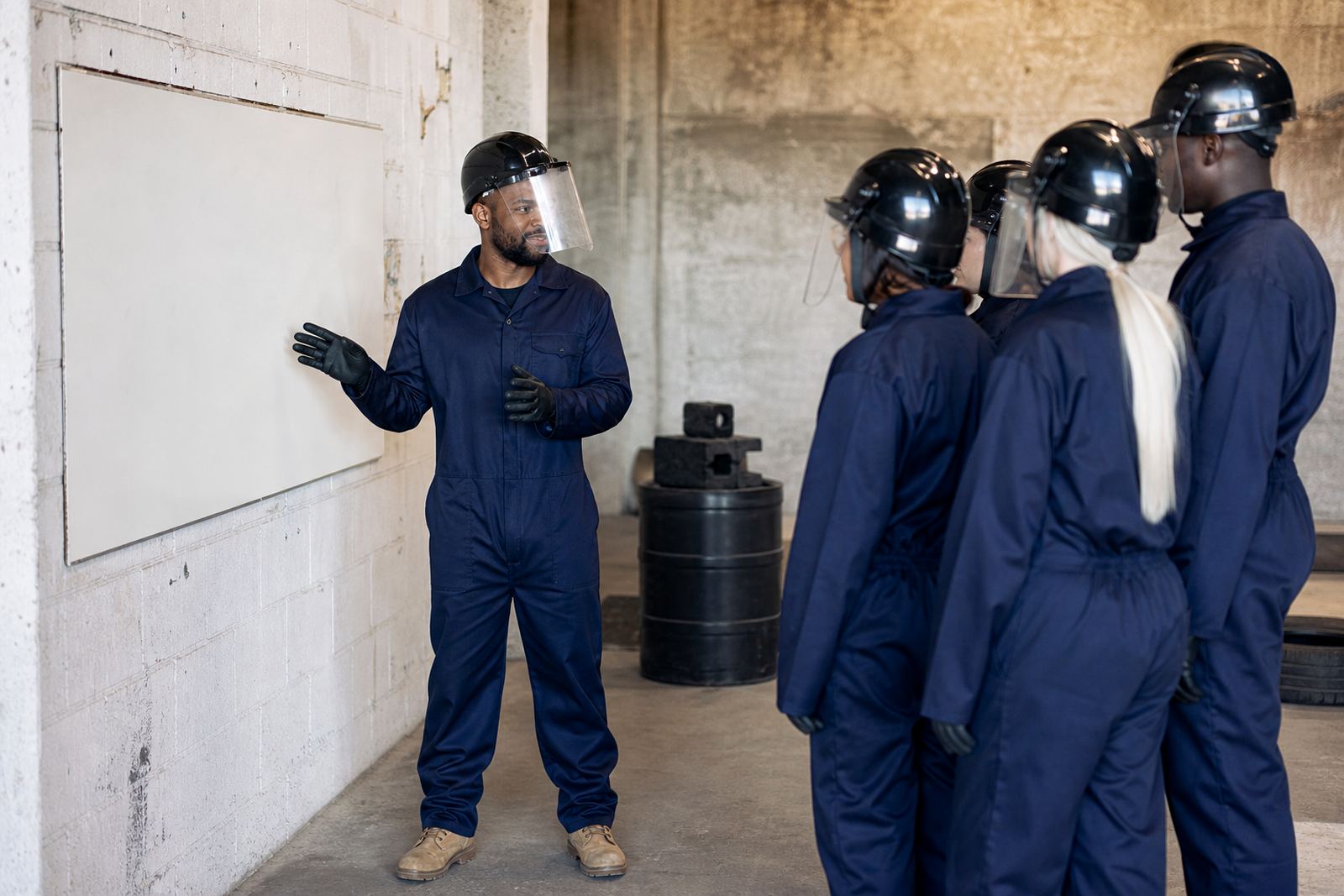
A proper briefing sets the pace. It explains what to wear, how to enter and leave the room, where to stand when another person is swinging, and what to do if something does not feel right. When everyone hears the same instructions before they start, there is less confusion and less rushing once the room gets going.
What a practical safety briefing should cover
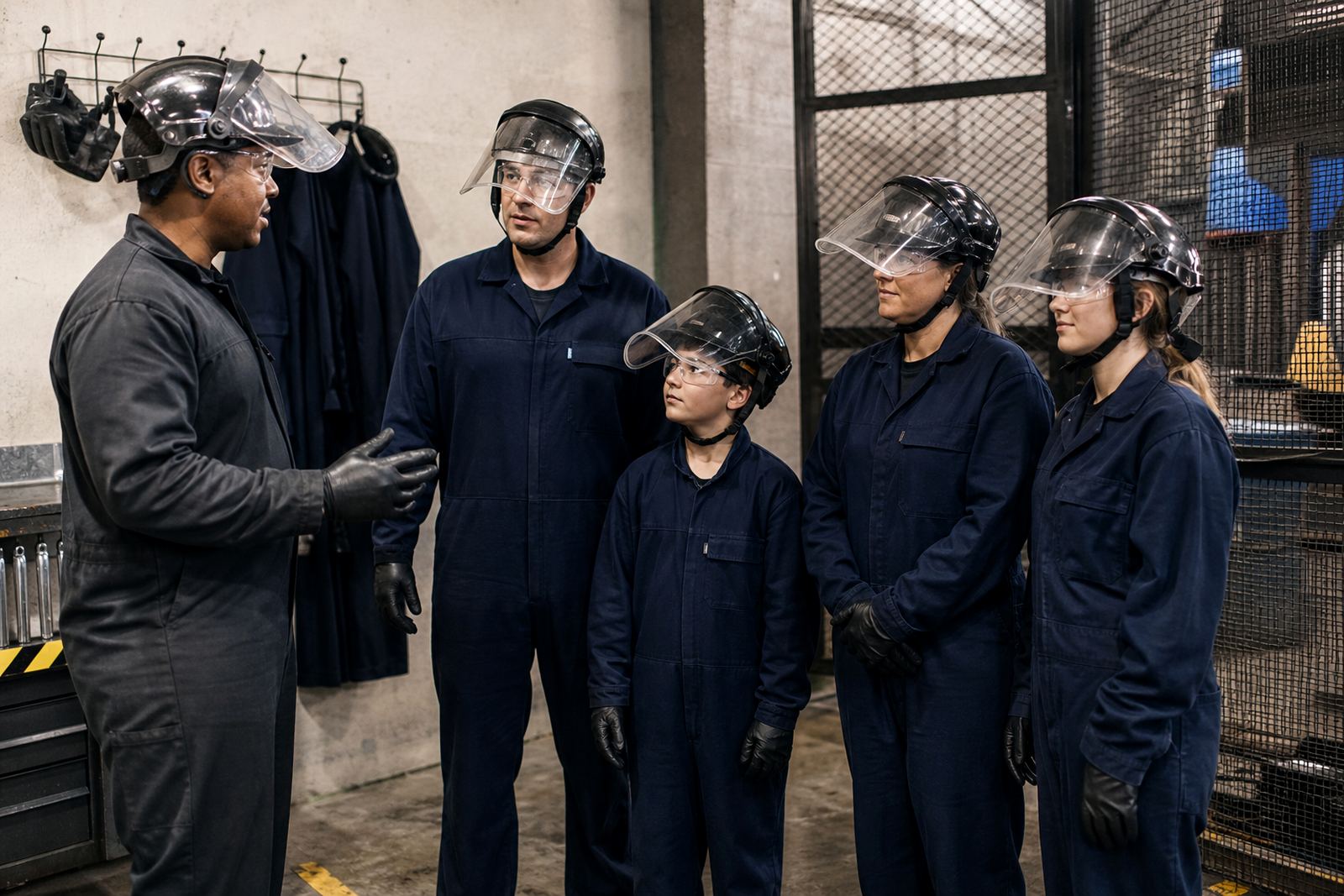
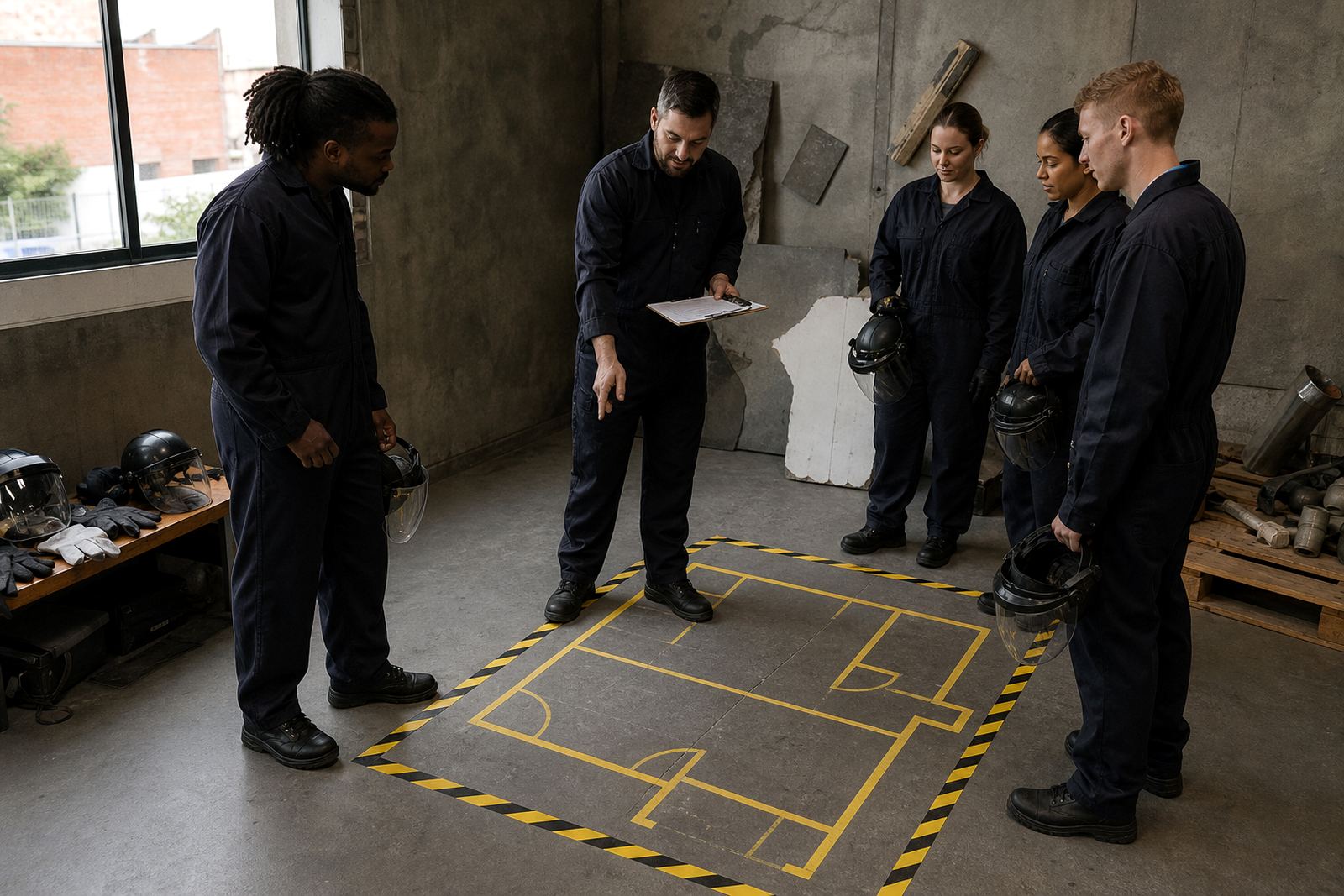
A briefing for a smashing session should be simple, direct, and easy to follow. It should cover the basics without overcomplicating the experience. That usually means the host explains the protective gear, the room layout, and the ground rules before anyone picks up an item.
- Helmet or head protection
- Face shield for eye and face protection
- Gloves for grip and hand safety
- Overalls or protective clothing
- Closed shoes only, no sandals or open footwear
The briefing should also point out where to stand when someone else is in the room, how to hand over tools safely, and which areas to avoid. Small details matter. A loose glove, a fogged face shield or untied laces can create unnecessary problems, so it helps to sort these out before the session starts.
Why the gear rules are not just for show
Protective gear is there because broken material moves in ways people do not always expect. Glass, ceramics and other smashable items can crack in sharp, unpredictable pieces. Helmets, face shields, gloves and overalls help reduce the risk of cuts, scrapes and stray fragments. Closed shoes are important too because feet are close to the action, especially when people are moving around the room between turns.
It is also easier to enjoy the session when the gear fits properly. If gloves are too loose or a face shield is sitting badly, people tend to keep adjusting themselves instead of focusing on the experience. A brief check before the session starts saves time later and helps the group settle in properly.
How a briefing keeps groups moving without confusion
For group bookings, briefings do more than protect people. They keep the event moving in an orderly way. When a venue is hosting a staff social, student group or sports club event, there are often multiple participants waiting for turns. Without a clear briefing, people start wandering, swapping places, or trying to jump ahead, and that slows everything down.
A clear start gives the whole group a rhythm. Everyone knows when to enter, when to wait, and when to step back. That is particularly useful for larger sessions in places like Woodstock, Observatory or Bellville where the team may be fitting several activities into one booking. A few minutes of clear instructions can make the rest of the session feel calm and well managed.
- Less waiting around between turns
- Clearer movement in and out of the room
- Fewer interruptions during group events
- Better focus for first-time participants
A local example from Woodstock to Somerset West
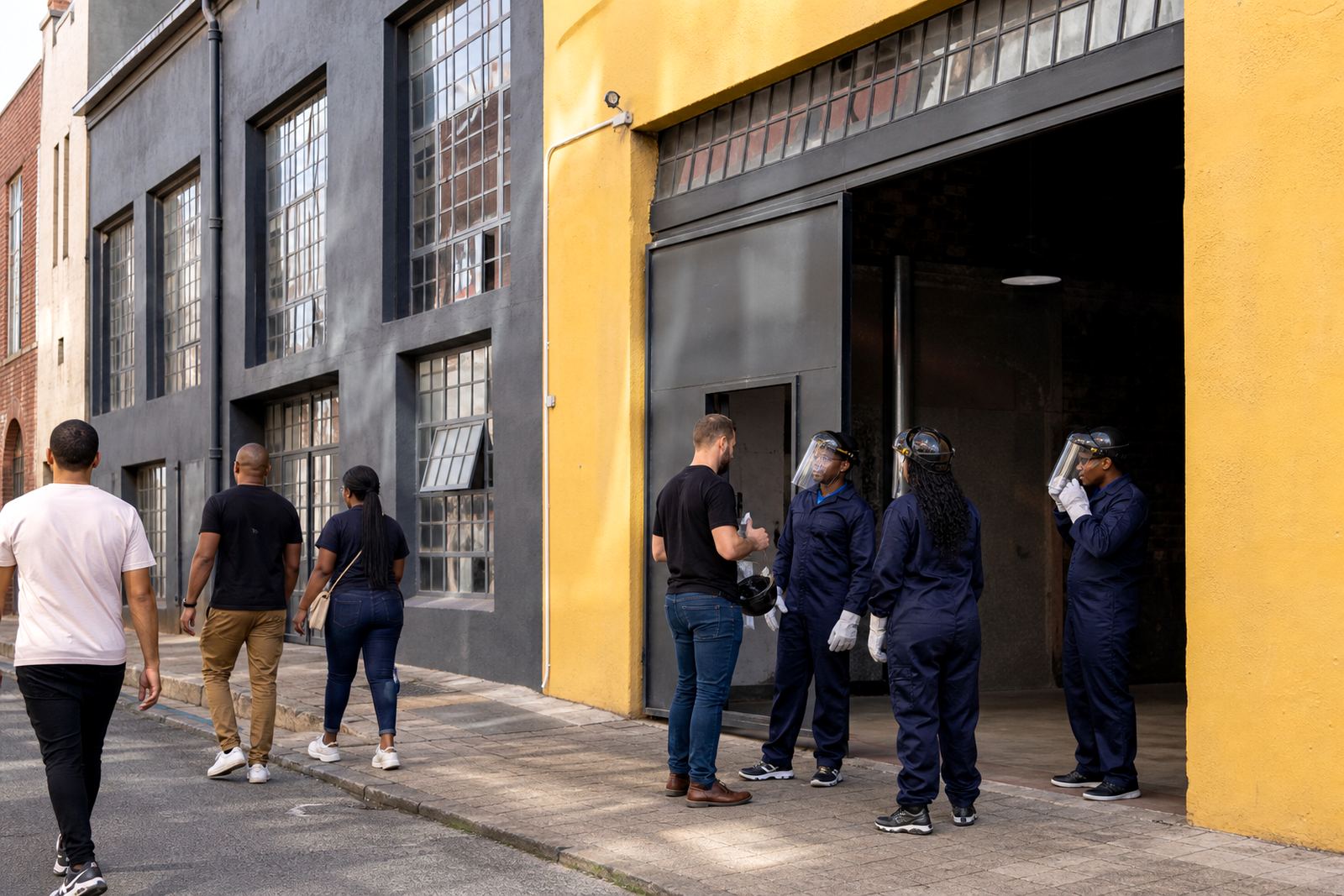
Picture a Friday evening team event with people travelling in from Cape Town, Stellenbosch and Somerset West. Some have done a rage room session before, others are new to it and a few arrive straight from work in shirts, skirts or dress shoes. Without a briefing, that mix can quickly become messy. With one, the group gets sorted properly before anything starts.
The host can explain who waits where, which size of protective gear is available, and how the room is handled if someone needs a break. If the booking includes a content shoot or a launch event, the briefing also helps the organisers understand where people can stand without getting in the way. Even in a lively setting, a calm start keeps the whole thing under control.
Minimum ages and why they must be stated clearly
Minimum age rules should always be explained before the session begins. They are there to make sure participants are ready for the equipment, the movement and the environment. Younger participants may not have the size, awareness or coordination needed for this kind of activity, so age limits need to be applied consistently.
It helps when the briefing covers this upfront, especially for family bookings, birthday events and student groups where a mix of ages might be involved. People should never be left guessing. If someone is not within the allowed age range, it is better to know before the booking starts rather than at the door.
- Age limits should be clear before arrival
- Guardian permission may be needed for younger guests where applicable
- Participants should be able to understand and follow instructions
- Everyone should be briefed before entering the room
Good briefings are part of good event coordination
In the end, a briefing is part of the service, not an extra. It shows that the session has been planned properly and that the team running it understands how to keep things moving safely. For private events, hen and stag groups, staff socials and mobile events, that matters as much as the room itself.
At SmashDown in Woodstock, Cape Town, the briefing sets the tone for the session before the first smash. It gives participants clear instructions, helps the team manage the space, and keeps everyone focused on the experience at hand. That is what makes a rage room feel organised rather than chaotic, even when the point is to make a proper mess of things.