Start With The Kind Of Energy You Want In The Room
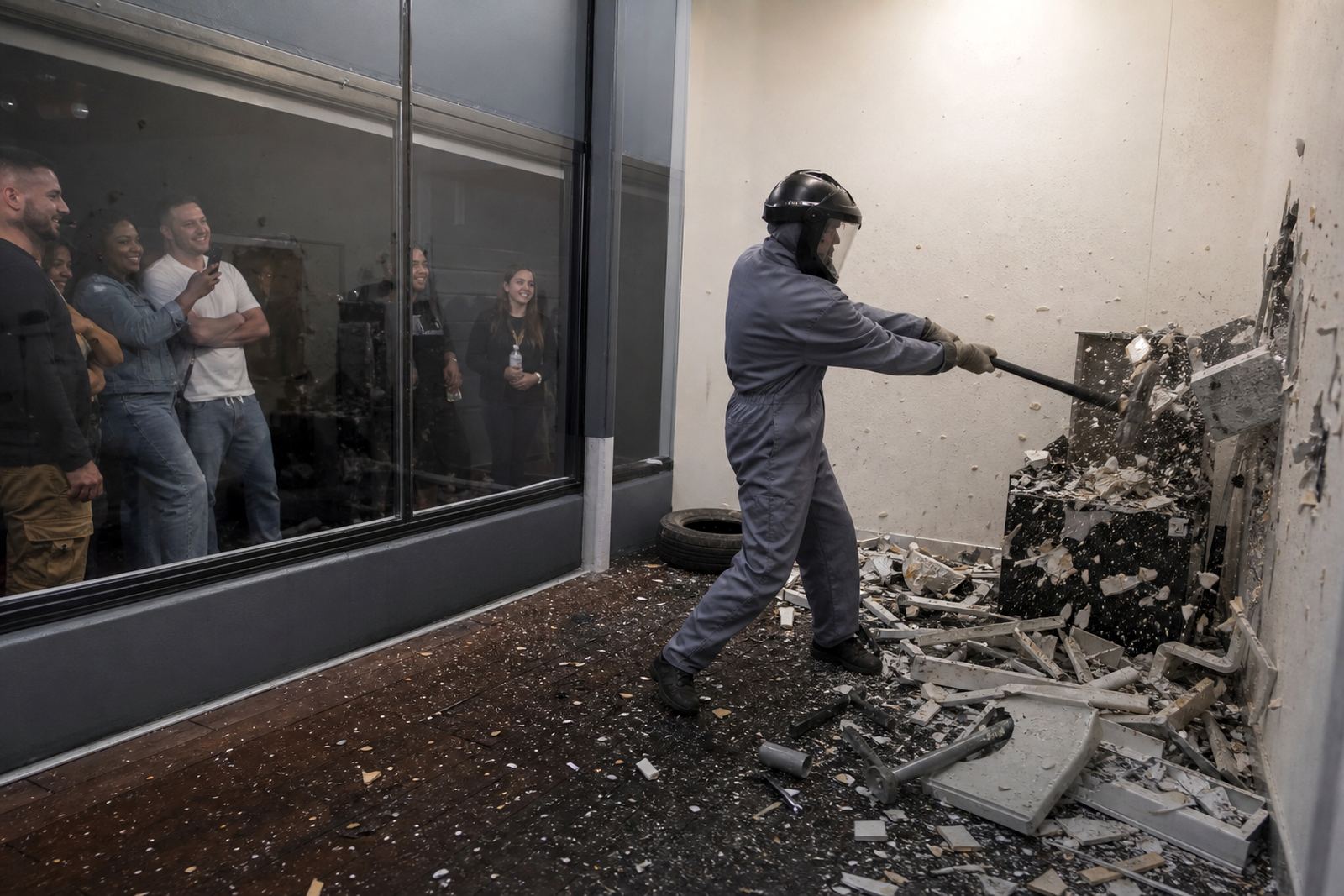
Group size shapes the mood before the first item is even lifted. A small group usually feels more focused and quick to rotate, while a larger group creates more cheering, more waiting and more time for each person to watch and reset between turns.
For birthdays, hens and stags, a tighter group often works well when everyone wants to take an active turn. For staff socials or sports clubs, a slightly bigger booking can suit mixed personalities, since not everyone wants to swing at the same pace. It helps to think about whether your group wants a fast turn-around or a slower session with plenty of time to chat between rounds.
- Smaller groups suit people who want more turns and less waiting.
- Larger groups suit events where part of the fun is watching and cheering.
- Mixed groups often work best with a clear turn order and a steady briefing.
How Room Flow Affects Your Booking
Room flow is the simple part people forget. If too many people are in the space at once, the session can feel crowded and it becomes harder for each person to move safely. If the group is too small for the package, the room may feel quiet and some guests can end up standing around longer than expected.
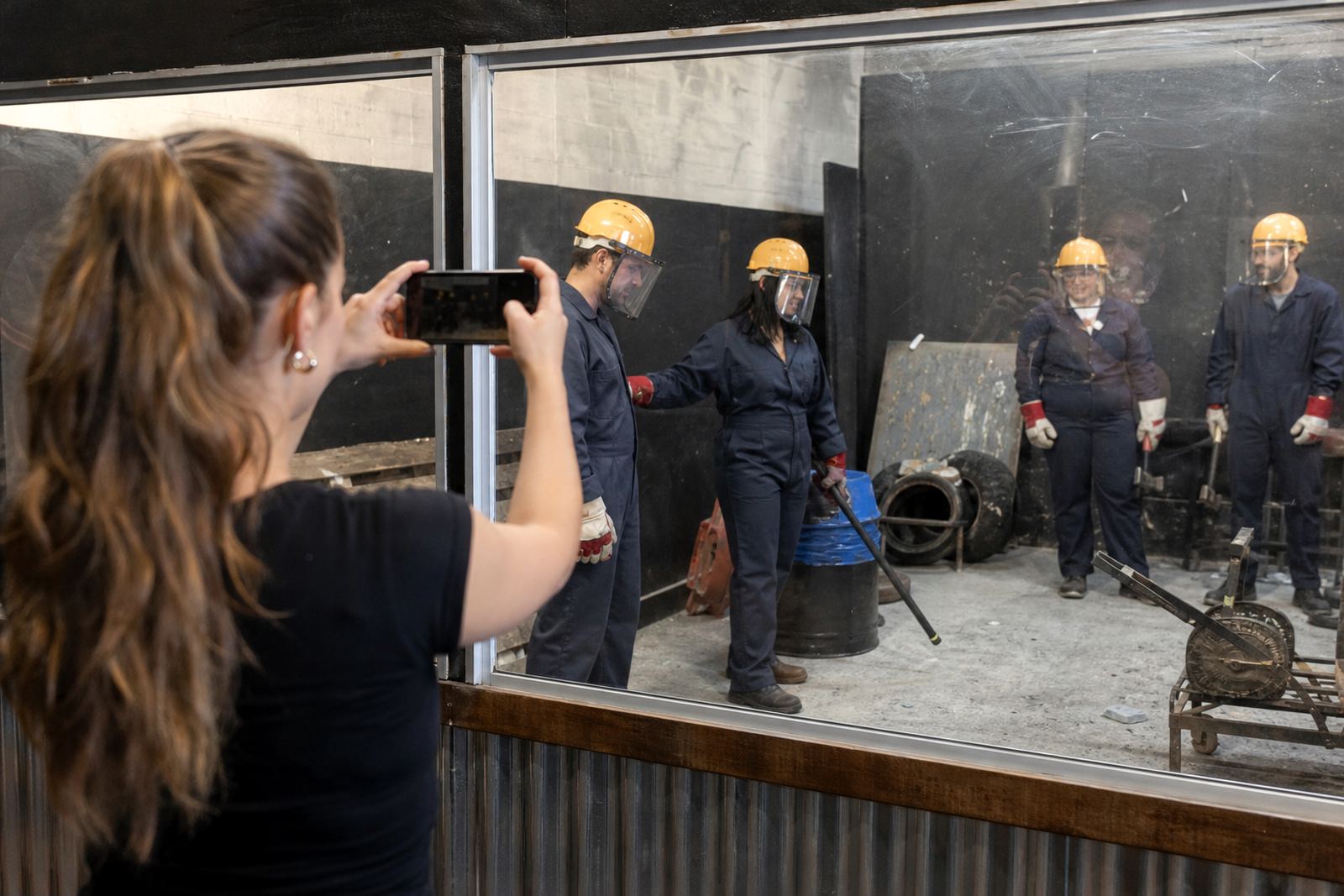
A practical way to choose is to count not only the guests, but the people who will actually smash. Some groups bring along a few supporters who prefer to watch, take photos or wait their turn. That is useful to know, because the pace of the session changes when there are more active participants moving through the room.
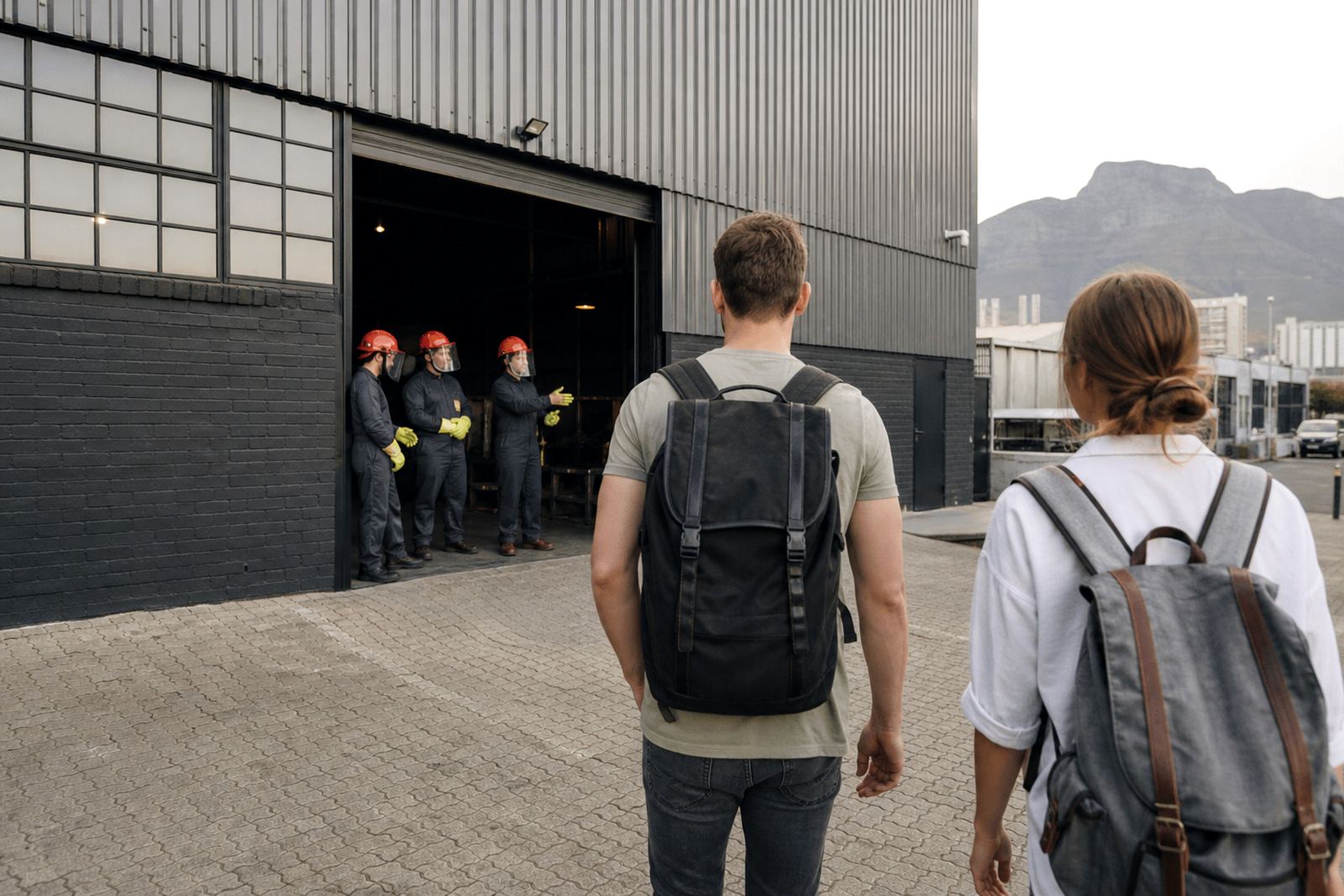
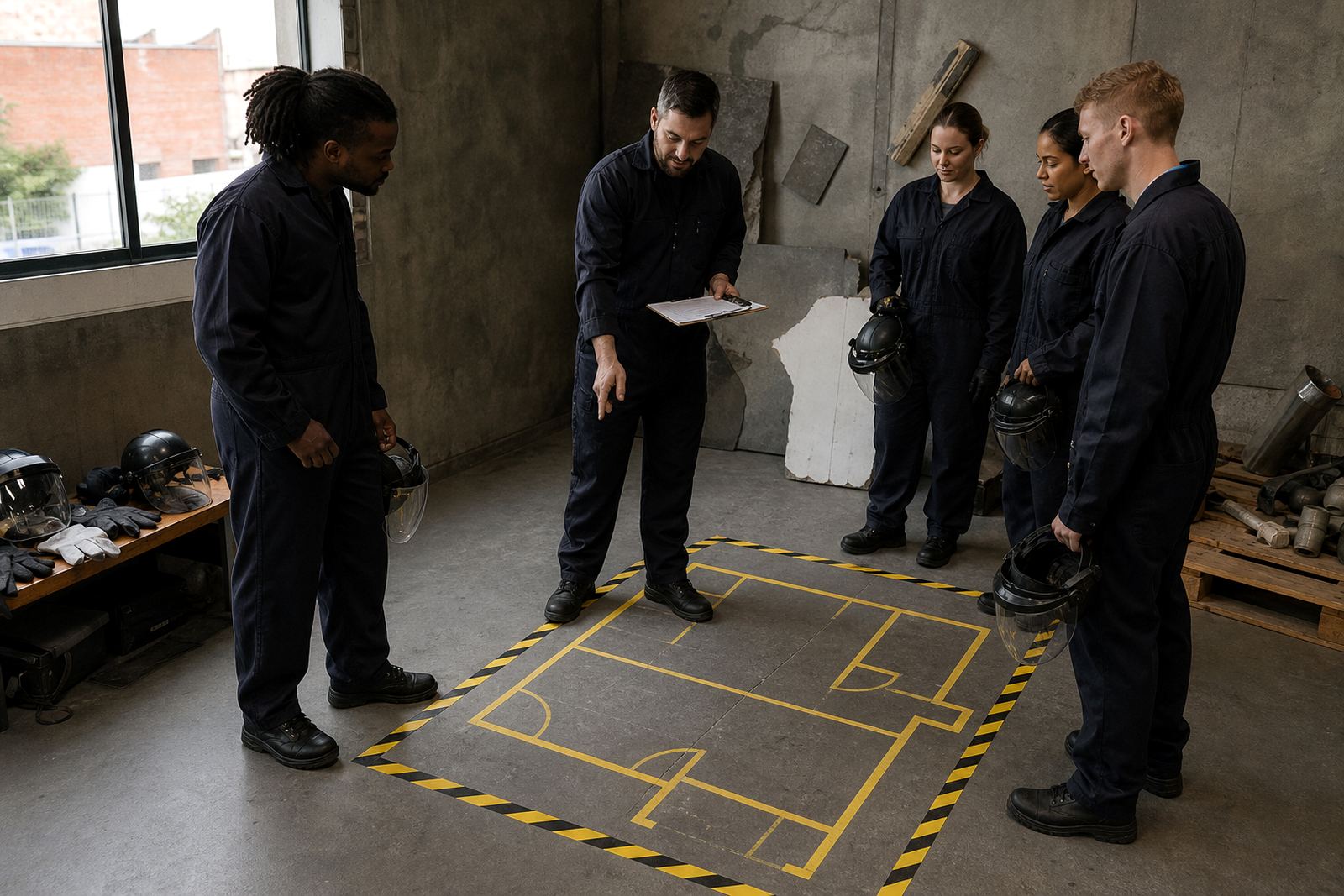
SmashDown sessions are run with a briefing before anyone enters the room, and that briefing matters more when the group is bigger. Everyone needs to understand the flow, the safety gear and the order of turns so the session stays controlled and the energy stays positive.
Small Groups: Best For Turns, Pace And Close Friends
If your group is compact, there is usually less standing around and more direct participation. This suits close friends, a pair of colleagues or a small birthday crew that wants everyone involved from start to finish.
Small groups are also easier to brief. People hear instructions clearly, gear up without rushing and can move through the session with fewer pauses. For many groups, that means the experience feels calmer but still lively. It also makes it simpler to keep an eye on who has had a turn and who is next.
- Good for a handful of guests who all want active time.
- Easy to manage when some people are first-timers.
- Useful if the celebration is short and you want a tighter schedule.
Medium Groups: A Good Fit For Most Team Events
Medium-sized groups often give the best balance between energy and flow. There are enough people to create a strong atmosphere, but not so many that the room feels overloaded. This is why they often work well for staff socials, student events and sports clubs.
For a team event, medium groups are practical because they let people rotate without long delays. The room stays active, the briefing stays manageable and everyone can settle into the session at a steady pace. It also helps when your group includes a mix of confident participants and quieter ones who want to ease in slowly.
In our Cape Town venue and surrounding areas such as Woodstock, Observatory, Salt River, Bellville, Stellenbosch, Paarl and Somerset West, many organisers choose this middle ground because it suits a wide range of groups without making the session feel too rushed.
Large Groups Need Clear Rotation And A Bit More Patience
When the guest list grows, the main challenge is not enthusiasm, it is movement. Large groups need a clear order so people know when they are up, where to wait and how the next round starts. Without that structure, even a fun event can lose pace.
If you are planning a launch event, a company social or a bigger mixed gathering, it helps to have one person on the organising side who can keep track of names and timing. That makes the session smoother for the venue team too, especially when several people are arriving at once and everybody wants to get started immediately.
- Choose a package that gives enough time for rotation.
- Keep the group together during the briefing so nobody misses instructions.
- Plan for a bit of waiting if there are many active participants.
Safety Briefing, Gear And Minimum Ages Matter More Than Group Size
No matter how big or small the booking is, the same basics apply. Everyone needs the right safety gear, including a helmet, face shield, gloves, overalls and closed shoes. A proper briefing comes first, because that is where the group learns how to move in the room, how to handle the session safely and what to do before each turn.
Minimum ages are important too, especially when a booking includes teenagers or family groups. If you are planning a student event, birthday or group outing with younger participants, check the age rules before you finalise numbers. It saves confusion on the day and helps keep the whole group on the same page.
In a busy venue, good briefing and gear matter more than size alone. A large group that listens well can run more smoothly than a small group that arrives unprepared. That is why it pays to think about flow, not just headcount.