
Why age limits change from one session to the next
A minimum age guide has to be practical. A small private booking for a family group is not the same as a school holiday outing, and a team event is different again. Age limits are there so each participant can follow the briefing, wear the correct protective gear and handle the activity safely.
In a rage room, people are moving around broken items, using impact tools and working in a space where footing matters. That is why minimum ages can change depending on the session type, the number of people in the room and how closely the group can be supervised. A child or young teen may be fine in one setting and not suitable in another.
For example, a birthday group in Woodstock with a few adults on hand is different from a larger corporate booking from Bellville or Somerset West. The same general activity can need a different level of control, and that affects who can join.
What we check before anyone enters the room
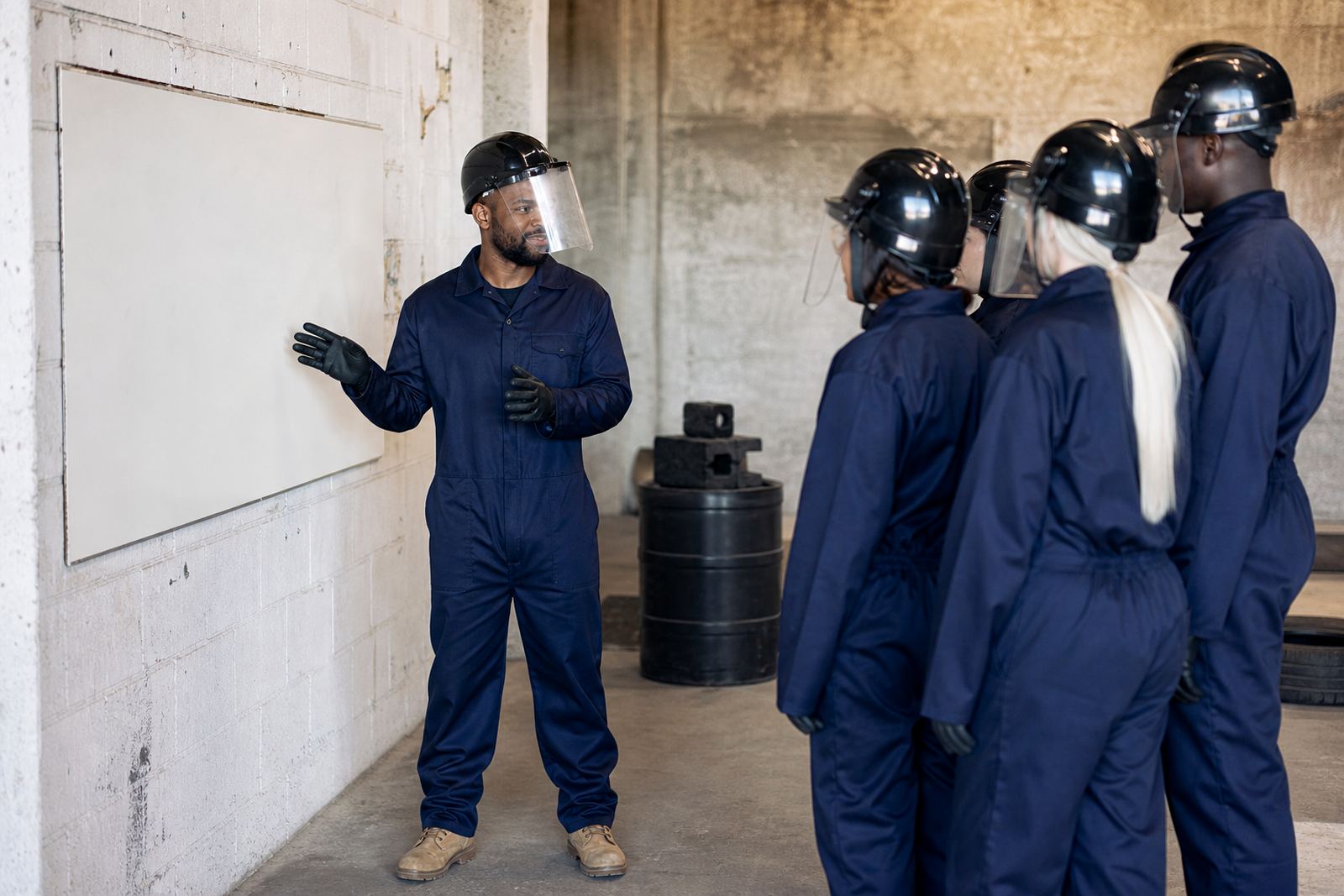
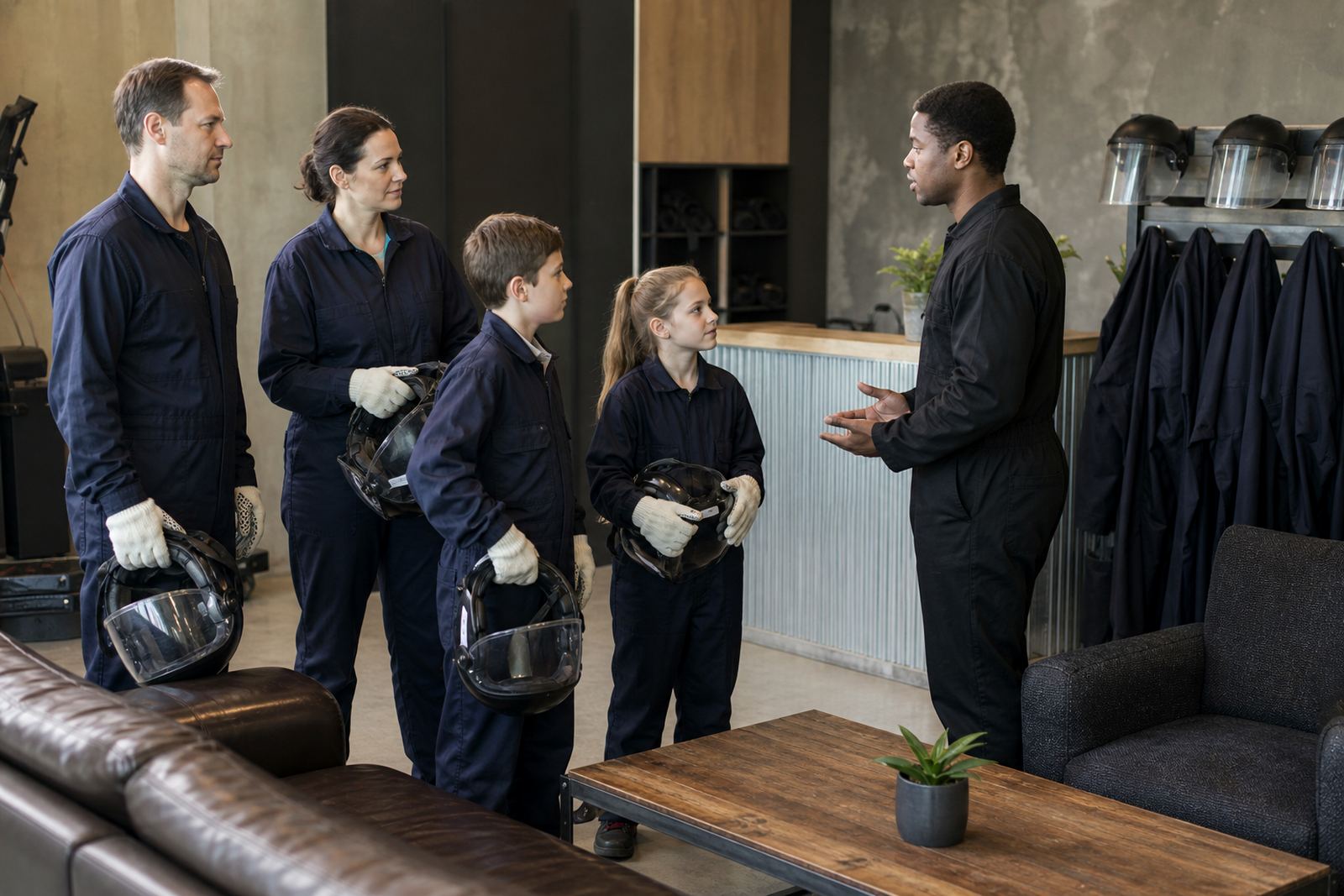
Before a session starts, everyone gets a basic safety briefing. It covers how to wear the gear, how to move in the room, where to stand, and how to behave around broken pieces. The briefing is simple, clear and hands-on, because people need to understand the setup before they start.
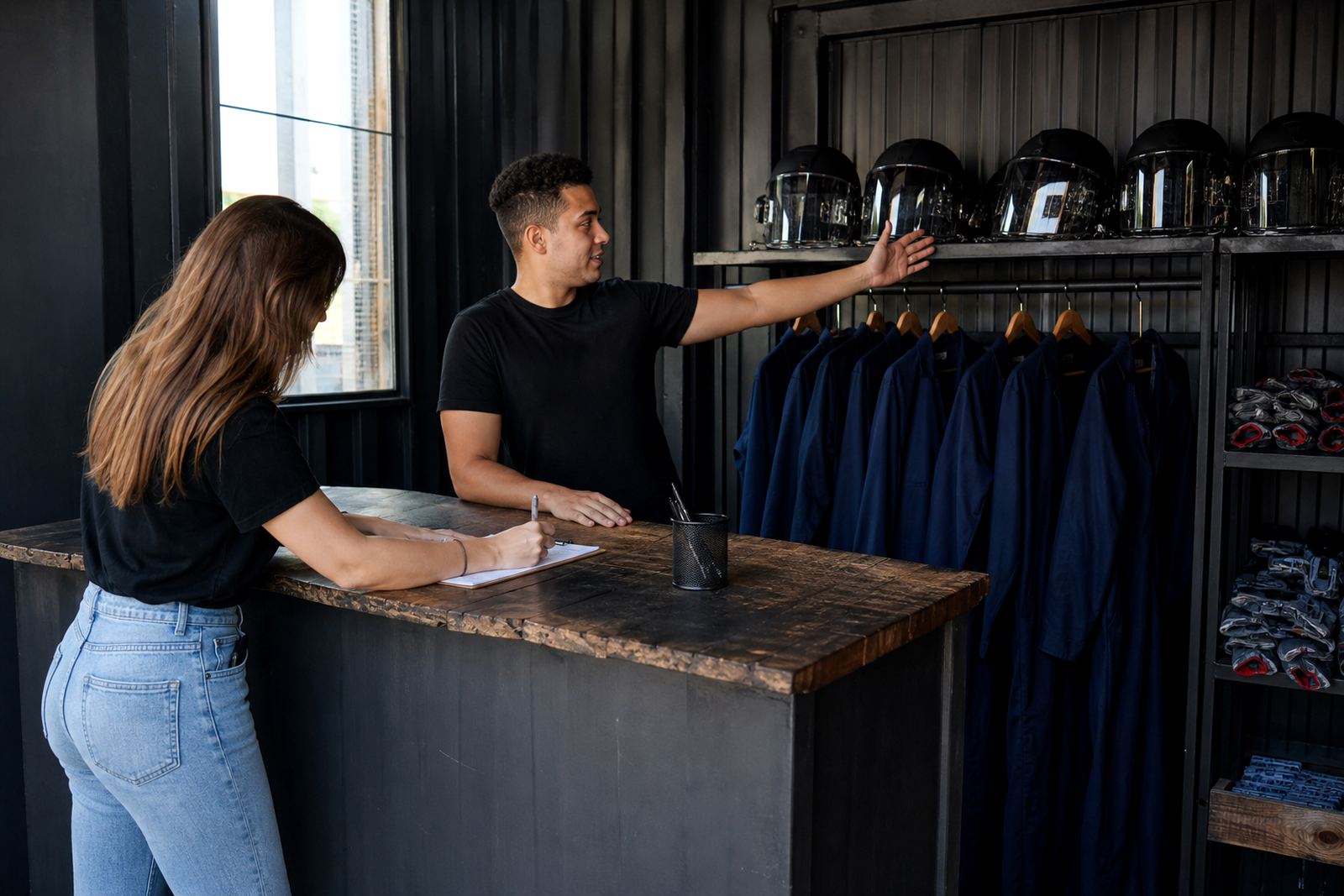
We also check that each participant has the right gear on properly. That usually includes a helmet, face shield, gloves, overalls and closed shoes. Loose clothing, open sandals and poor footing are not suitable for this kind of activity. If someone is too young to follow instructions properly, or seems unsure about the gear, they should not take part.
- Helmet and face shield for head and eye protection
- Gloves for grip and hand safety
- Overalls to help protect clothing and skin
- Closed shoes with solid soles
- Clear briefing before the session begins
Minimum ages and supervision needs in plain terms
There is no one-size-fits-all minimum age for every group. The right age depends on attention span, strength, coordination and whether an adult supervisor is present. Younger participants may be allowed only in tightly controlled sessions, while older teens may be suitable for more active bookings after the briefing.
As a practical guide, the younger the group, the more supervision is needed and the more likely the session rules will be limited. That can include shorter turns, stricter equipment checks and extra one-to-one support. The aim is not to make things difficult, but to keep the session controlled and fair for everyone.
- Young children generally need close adult supervision and may not be suitable
- Early teens need clear instructions and a calm group setting
- Older teens are more likely to manage the gear and rules well
- Adult-only sessions are usually simpler to run and supervise
Group bookings need a different approach to private visits
Group sessions bring their own issues. The age mix may vary, and some people in the group may be more confident than others. That is common for birthday events, student groups, sports clubs and staff socials. It is also why we look carefully at the booking before confirming the setup.
For larger events, one person rushing ahead can affect the whole group. A young participant may copy the behaviour of older guests, so the supervision plan matters just as much as the age itself. Our team in Woodstock makes sure the briefing is repeated properly and that nobody enters the room before they are ready.
Local conditions matter too. In Cape Town, travel time, load-shedding planning and venue access can all affect how smoothly a group arrives and starts. A booking from Stellenbosch or Paarl may need a more structured arrival time, especially if the group includes younger guests or first-time participants.
What parents, teachers and organisers should ask first
If you are planning a birthday, student outing or team event, ask the right questions before you book. That helps avoid confusion on the day and makes the age guidance easier to follow. It also saves time if the group includes mixed ages.
Useful questions include whether the session is suitable for minors, how much supervision is needed, and what gear is provided. You should also ask if closed shoes are compulsory and whether participants need to arrive early for the briefing. If someone in the group has limited mobility or is uncomfortable in a high-energy setting, that should be discussed in advance.
- Is there a minimum age for this specific session type?
- Do minors need a parent or guardian present?
- What safety gear is supplied and what must guests bring?
- How long is the briefing before the session starts?
- Can the group be split by age or confidence level if needed?
A practical Cape Town example
Say a family from Observatory books a weekend visit, with cousins ranging from younger teens to adults. The adults may be ready to join straight away, while the younger guests need tighter supervision and a more controlled setup. If the same family later brings a larger group from Bellville for a birthday event, the age check becomes even more important because more people means more movement and more chance of confusion.
That is why minimum age guidance is not just a formality. It helps the event run properly, keeps the briefing useful and makes sure the experience suits the people in the room. At SmashDown, the question is never only who wants to join, but who can join safely and comfortably on the day. That is the standard we work to in Woodstock and for bookings across Cape Town, Somerset West, Paarl and Stellenbosch, bru.
How SmashDown handles age checks and bookings
When clients contact us through the enquiry form, we look at the group type, the ages involved and the level of supervision available. The team then confirms what is suitable for that booking, whether it is a private event, a staff social or a student group. If a session needs tighter control, we will say so clearly before the booking is finalised.
Our process is straightforward. We want every participant to arrive knowing what to expect, what to wear and whether they meet the age guidance for the session. That makes the day easier for organisers and safer for the group. It also means fewer surprises when people arrive at the Woodstock venue or for a mobile event elsewhere in the Western Cape.