
Why a rage room can suit a work group
A rage room gives a team something active to do together, which can suit groups that want more than a lunch or a standard restaurant booking. People put on safety gear, get a briefing, then break approved items in a controlled room with supervision. For managers, that means the outing has a clear structure and does not rely on everyone being outgoing or competitive.
It also works well for mixed teams. Some colleagues want a full-on session, others prefer to ease in and watch first. A good booking should allow for that range without putting pressure on anyone. For work groups in Cape Town, it is a practical option when you want an indoor activity that is not affected by wind, rain or summer heat.
- Useful for smaller teams and larger staff groups
- Suitable for offsite morale days, year-end functions and project celebrations
- Works for groups coming from Woodstock, Observatory, Salt River and nearby business areas
How to plan the booking without last-minute stress
Start by confirming the headcount and how the group will arrive. Work teams often have a few late changes, so it helps to build in a little flexibility. If the booking includes people from different offices in Cape Town, Stellenbosch, Paarl, Somerset West or Bellville, decide early who is the main point of contact. That stops confusion on the day.
It also helps to think about the reason for the outing. Is it a reward after a busy quarter, a team building session, or a social event for a department? The answer shapes the tone. A sales team might want something lively and competitive, while a support team may prefer a calmer pace with time to chat between turns. Organisers need to plan a bit ahead, especially if the group is large and coming form different offices.
- Confirm the number of participants and any spectators
- Share arrival time, parking details and the meeting point
- Ask whether anyone in the group has mobility or health concerns that affect participation
- Allow extra time for traffic around the Cape Town city bowl and N1 routes
Safety gear and the pre-session briefing matter
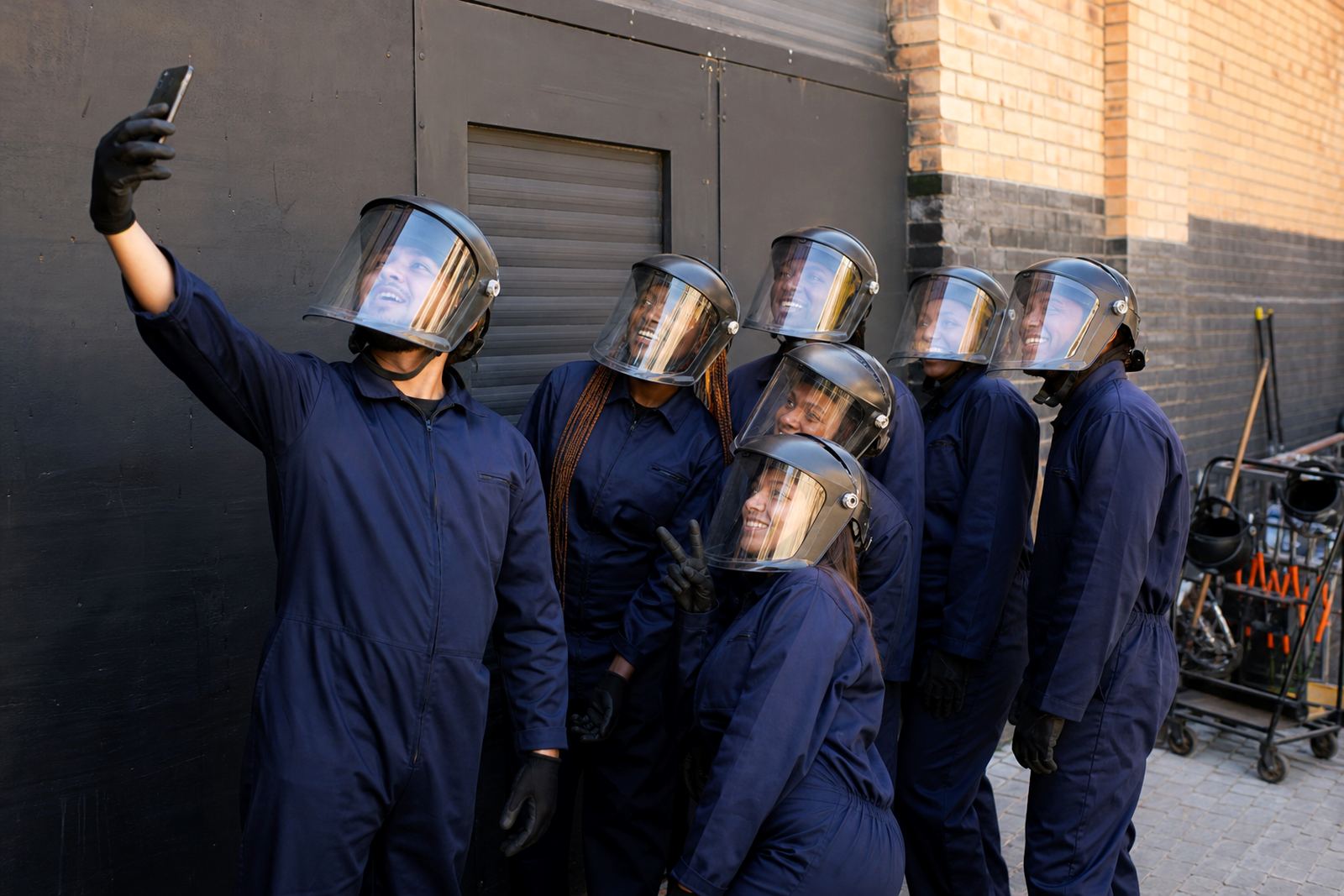
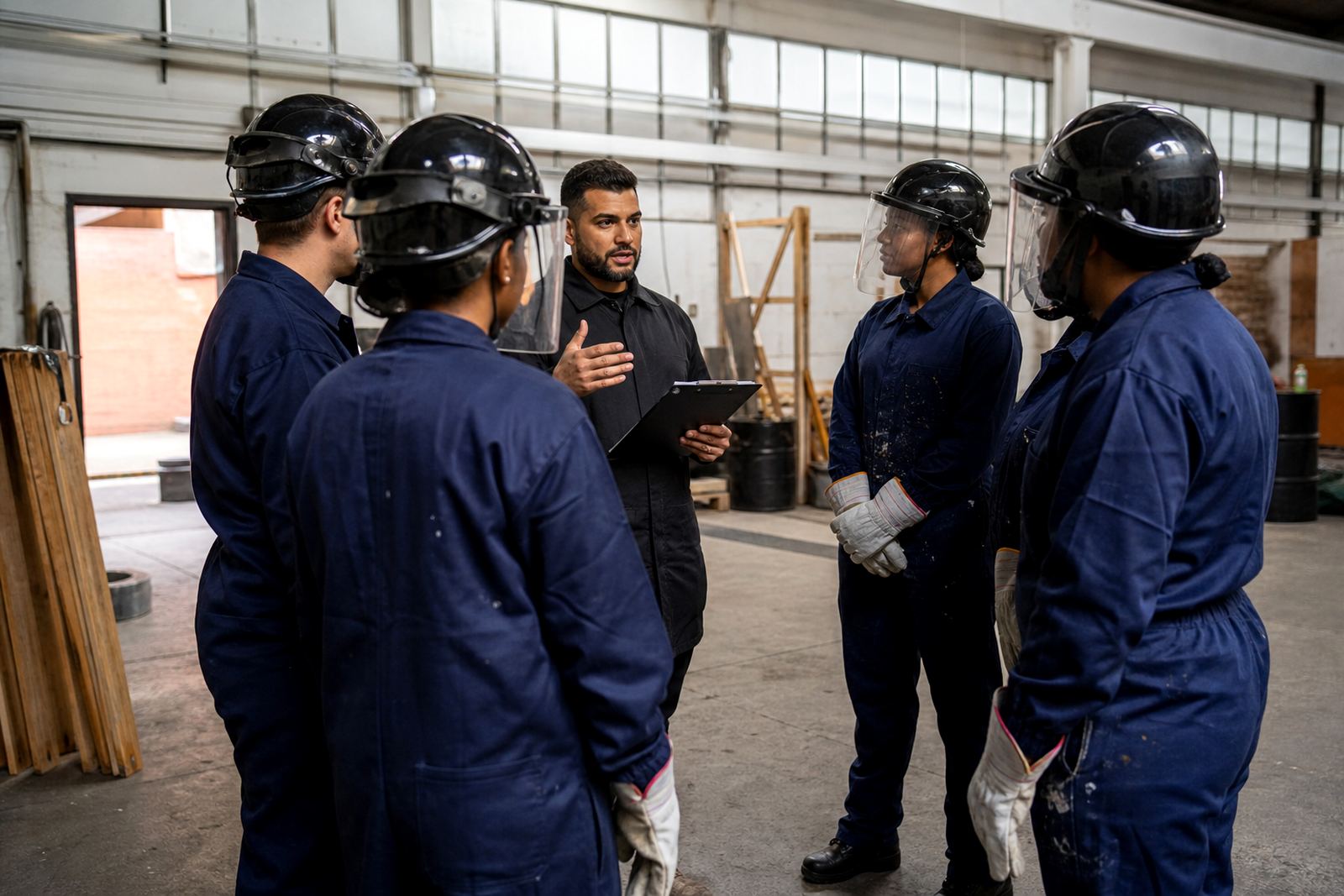
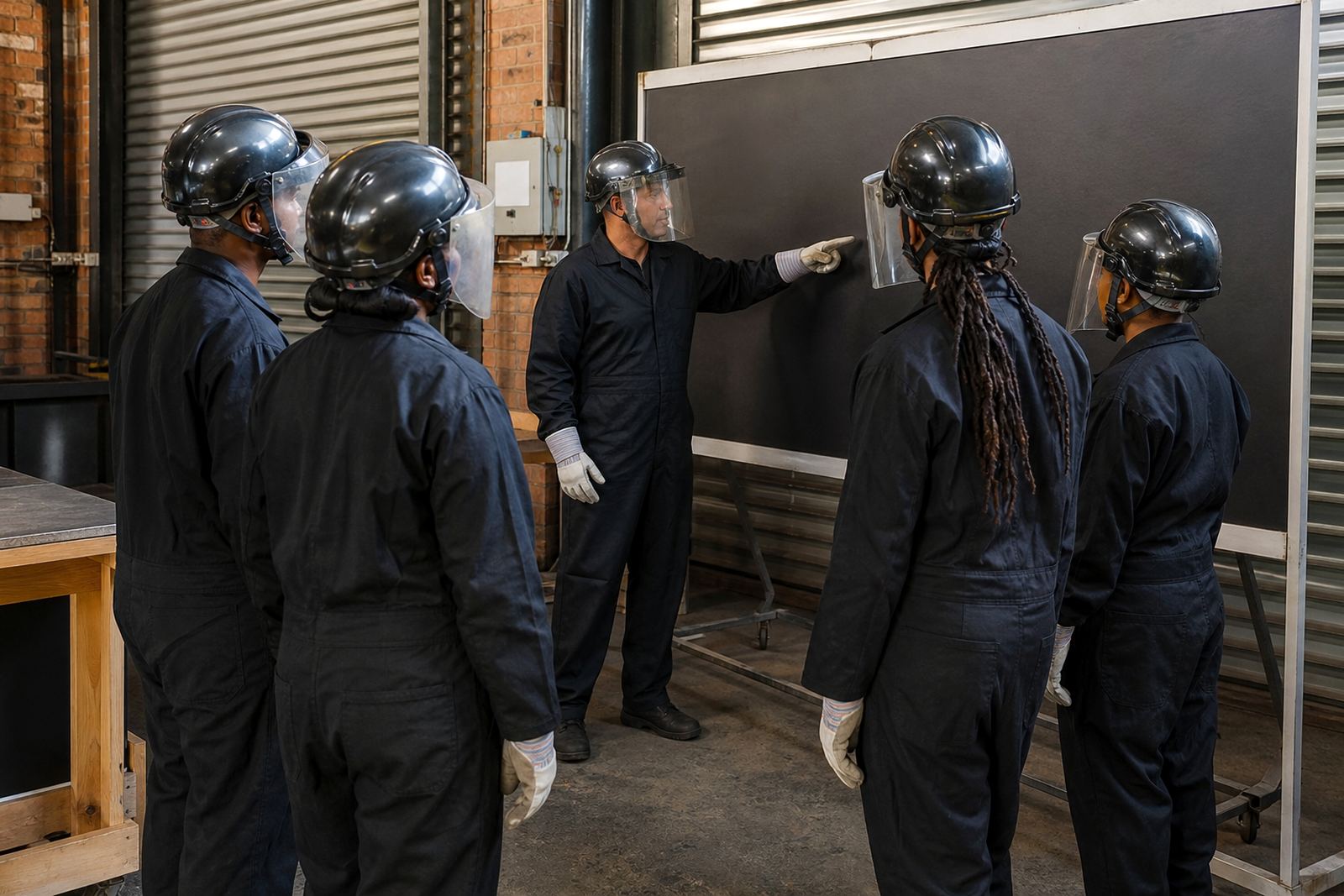
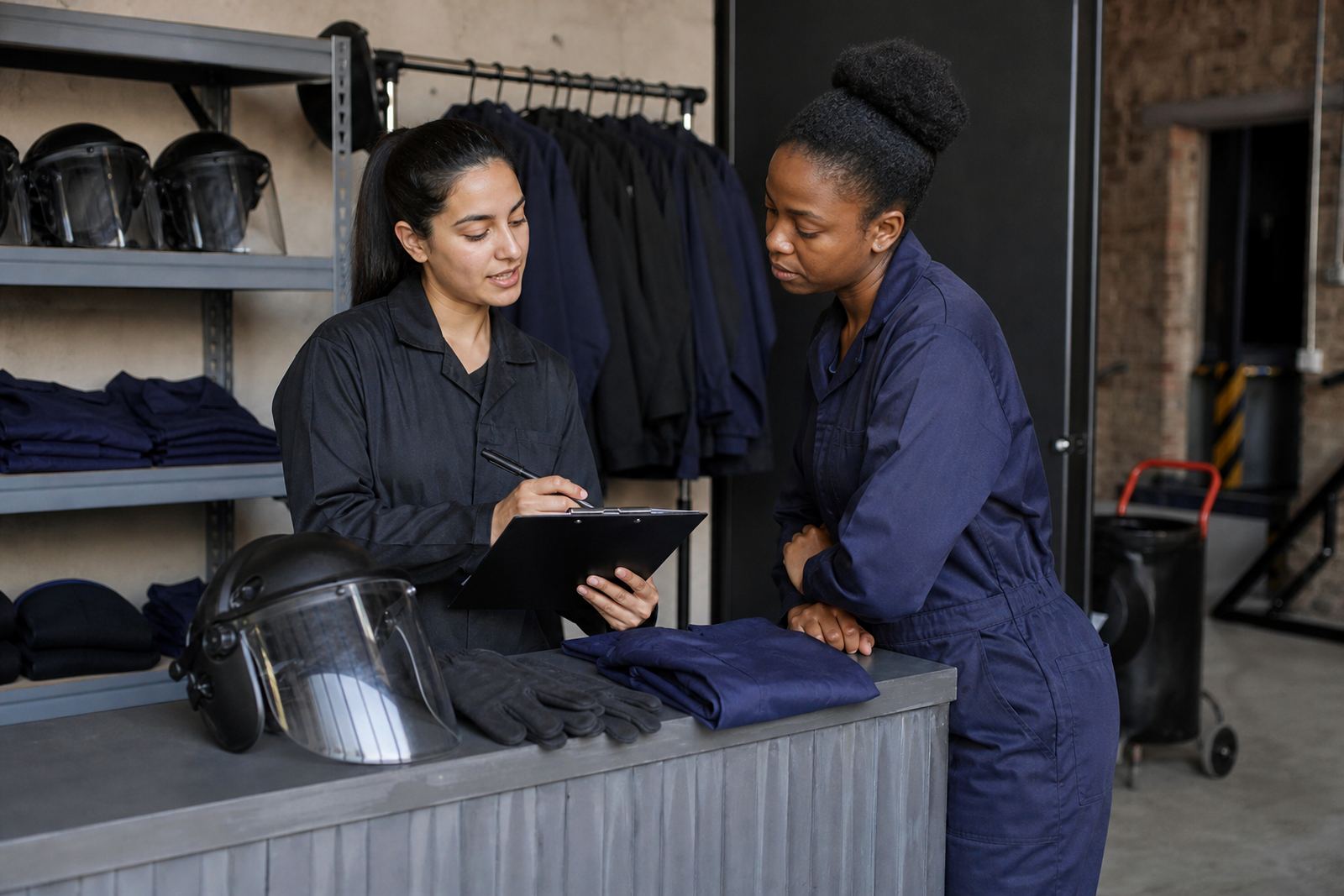
Every participant should be kitted out properly before entering the room. That normally includes a helmet, face shield, gloves, overalls and closed shoes. The briefing should explain how the room works, how to move safely, what areas are off limits and how to signal if someone needs help. These steps are not optional, even for confident or sporty teams.
For organisers, the safety process is worth paying attention to because it sets the tone for the rest of the event. If the group understands the rules clearly, the session usually runs smoothly. Sibusiso Dlamini, who leads safety and briefings, will usually be the one making sure everyone understands the ground rules before any smashing begins. It keeps the session practical, calm and properly controlled.
- Do not assume people know what to wear. Closed shoes are essential
- Keep jewellery, loose accessories and sharp items out of the room
- Make sure the briefing is heard by everyone, not just the first few arrivals
- Follow the supervisor’s instructions before, during and after each round
What managers should tell the team before the outing
Good communication prevents awkward moments. Let staff know that the activity is physical, noisy and hands-on, but still supervised. It is also useful to explain that minimum age rules apply, so if the team includes younger interns or junior staff, check who may participate ahead of time. That avoids disappointment at the venue.
You may also want to tell the group what to expect on arrival. The more people know, the less time is wasted sorting out shoes, timing or clothing. For a Woodstock booking, that can be the difference between a rushed start and a steady one. If the group is coming from a coastal office, remind them that humidity can make heavier clothing feel warmer, so they should dress comfortably for movement.
- Keep clothing comfortable and easy to move in
- Remove watches, keys and anything fragile before the session
- Arrive a little early so the briefing starts on time
- Ask about minimum ages before inviting younger staff members
A local example from Cape Town planning
Consider a marketing team based in Bellville that wants a Friday afternoon outing. The organiser books a group session in Woodstock, gives everyone the meeting time, and reminds them to wear closed shoes. One part of the team comes by car, while others use rideshare or the train, so the organiser shares a simple arrival point and one contact person for the day. That small bit of planning keeps the group together and reduces the usual end-of-week scramble.
After the briefing, the team can rotate through their turns without wasting time. Some people will go straight in, while others want to watch first and get comfortable. The session works best when nobody is rushed. Megan Pillay, who coordinates group events, can help with timing and sequencing so the outing suits the group size and the rest of the day’s plans.
Make the rest of the day easy for everyone
A work outing should not create more admin for the organiser once the activity is over. Build in time for the group to freshen up, collect belongings and head off without being squeezed into the next meeting. If you are planning lunch or a staff social afterwards, keep the venue close by so the day feels joined up rather than scattered.
For businesses in Cape Town, Stellenbosch, Paarl, Somerset West and Bellville, it helps to work with a venue that can handle individual bookings, groups and team events. Bradly or Zanele might be the names on the admin side, but the practical point is simple: one clear booking, one clear plan, and no chasing different people for the same details. That keeps the focus on the group instead of the paperwork.
SmashDown is based in Woodstock and handles work groups, private events and coordinated sessions for teams across the region. For managers, that means you can plan a memorable outing without turning it into a logistical headache.