
Start With The Guest Mix Before You Book
When a booking includes mixed personalities, the first job is to work out who wants to participate and who would rather spectate. That sounds simple, but it changes how you plan the session. A birthday group from Woodstock, a staff social from Bellville, or a student outing from Stellenbosch may all have different comfort levels, energy, and group dynamics.
At SmashDown, the cleanest sessions usually start with one question: who is here to take part, and who is here to watch? Once you know that, it becomes easier to plan the flow, the briefing, and the time on site. It also helps avoid awkward pressure on guests who did not come for the smashing itself. No one should be pushed into gear they dont want to wear or into a session they are not comfortable with.
- Ask guests in advance if they want to smash, spectate, or do a bit of both.
- Check whether anyone has mobility limits or prefers to stay outside the active area.
- For mixed groups, plan a clear order so people know when they will go in.
- Keep a few non-participants involved with photos, timing, or support roles.
Why Spectators Still Matter To The Session
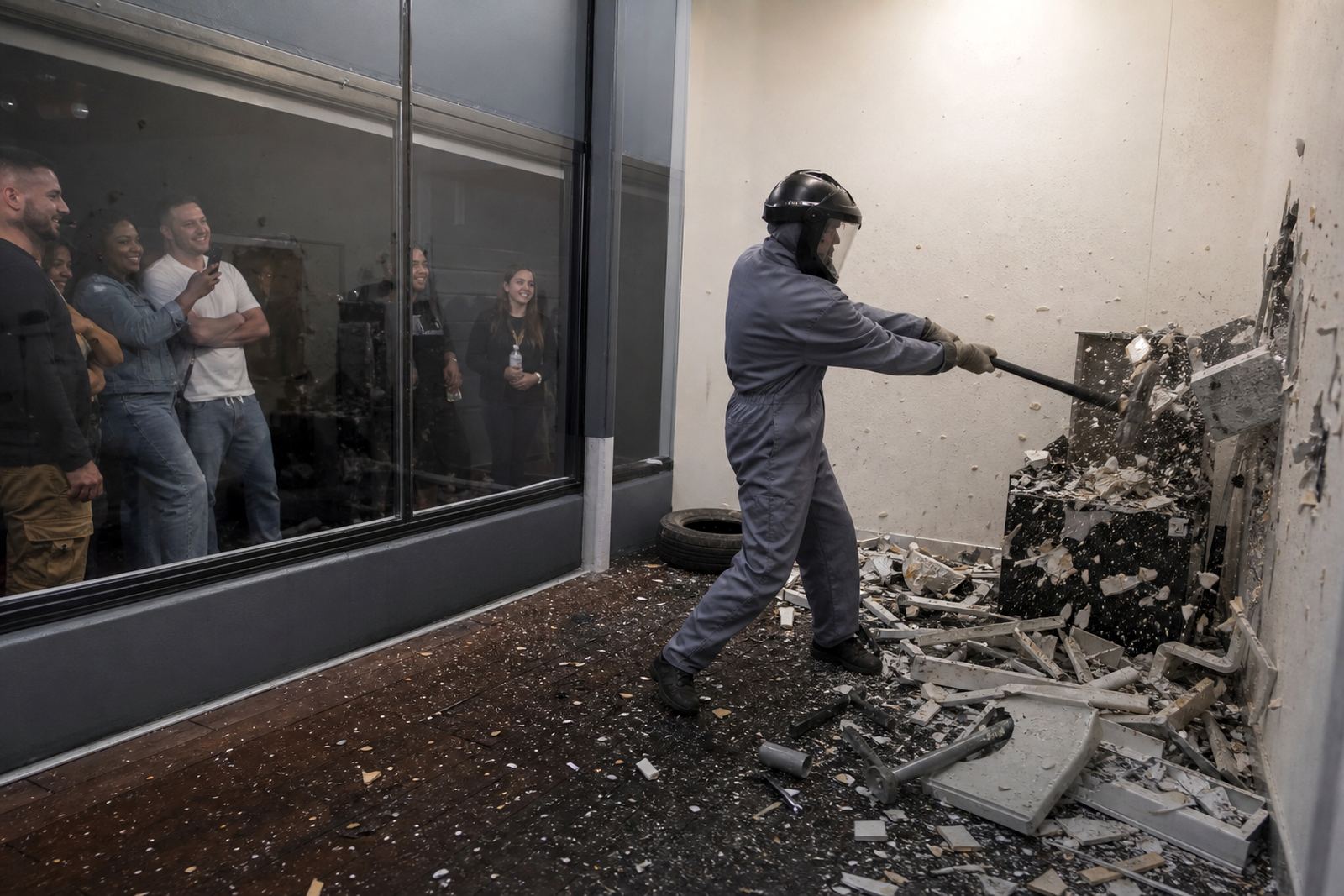
Spectators are not just waiting around. In a well-run session they help build atmosphere, keep the pace moving, and make the event feel social. A good crowd often adds to the energy without getting in the way. In smaller groups, watching can be just as memorable as taking part, especially when guests are there for a team event or a family celebration.
From an operations point of view, spectators also help the event run smoothly. They can keep bags together, help coordinate turns, and give the participant a little encouragement before the first hit. For corporate groups in Cape Town or Somerset West, this works well when some staff are more reserved and would rather observe than be centre stage.
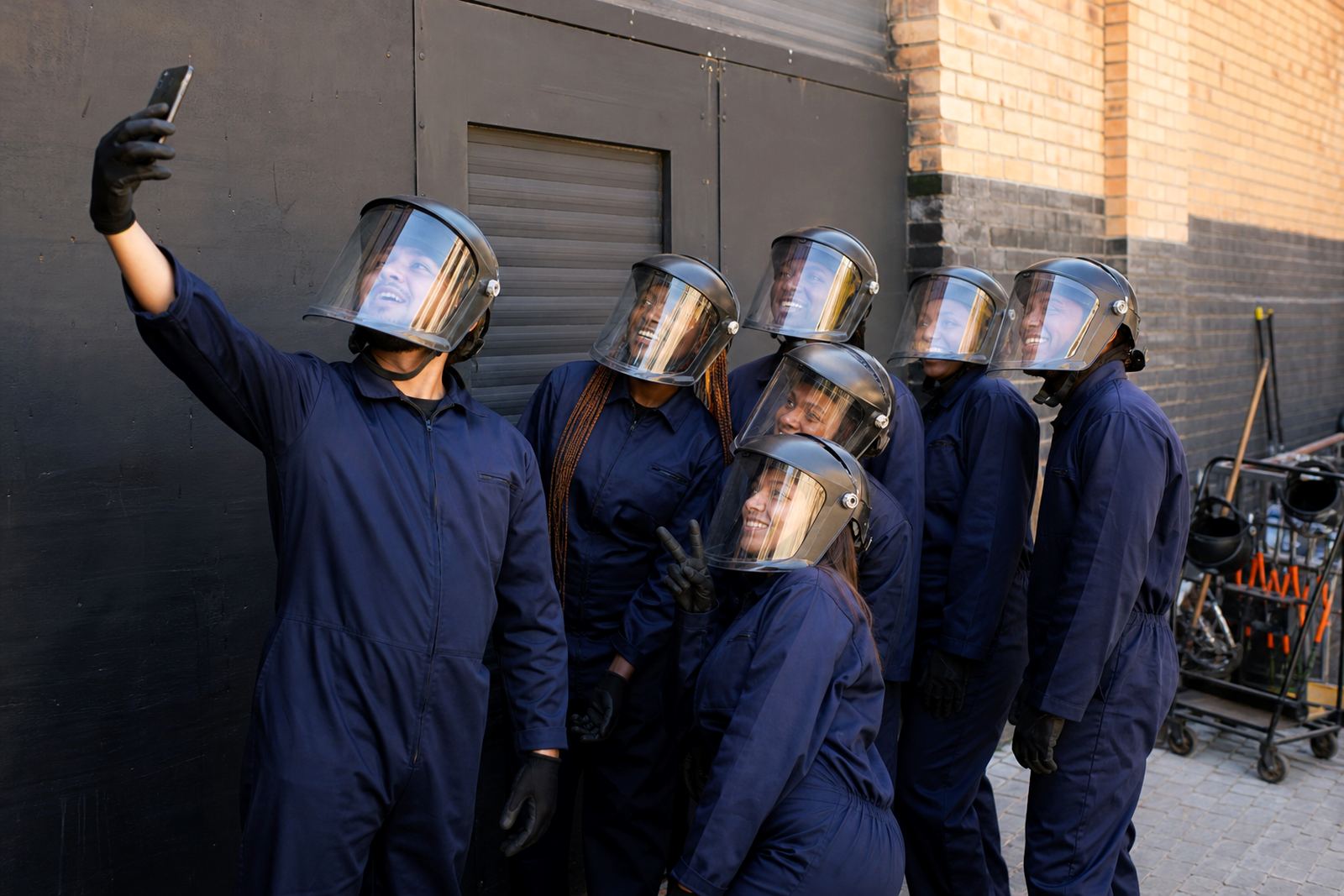
- Spectators can be the camera people for the group.
- They can help with turn-taking and keeping the schedule on track.
- They often create a better social feel for mixed groups.
- They are useful when a venue has limited space and people need to move in and out neatly.
That said, spectators still need a clear boundary. They should know where to stand, what to touch, and when the active zone begins. In a tight venue, especially where movement is limited, keeping the non-participants in the right spot prevents confusion and keeps everyone safe.
Safety Gear Is For Participants, But Briefing Is For Everyone
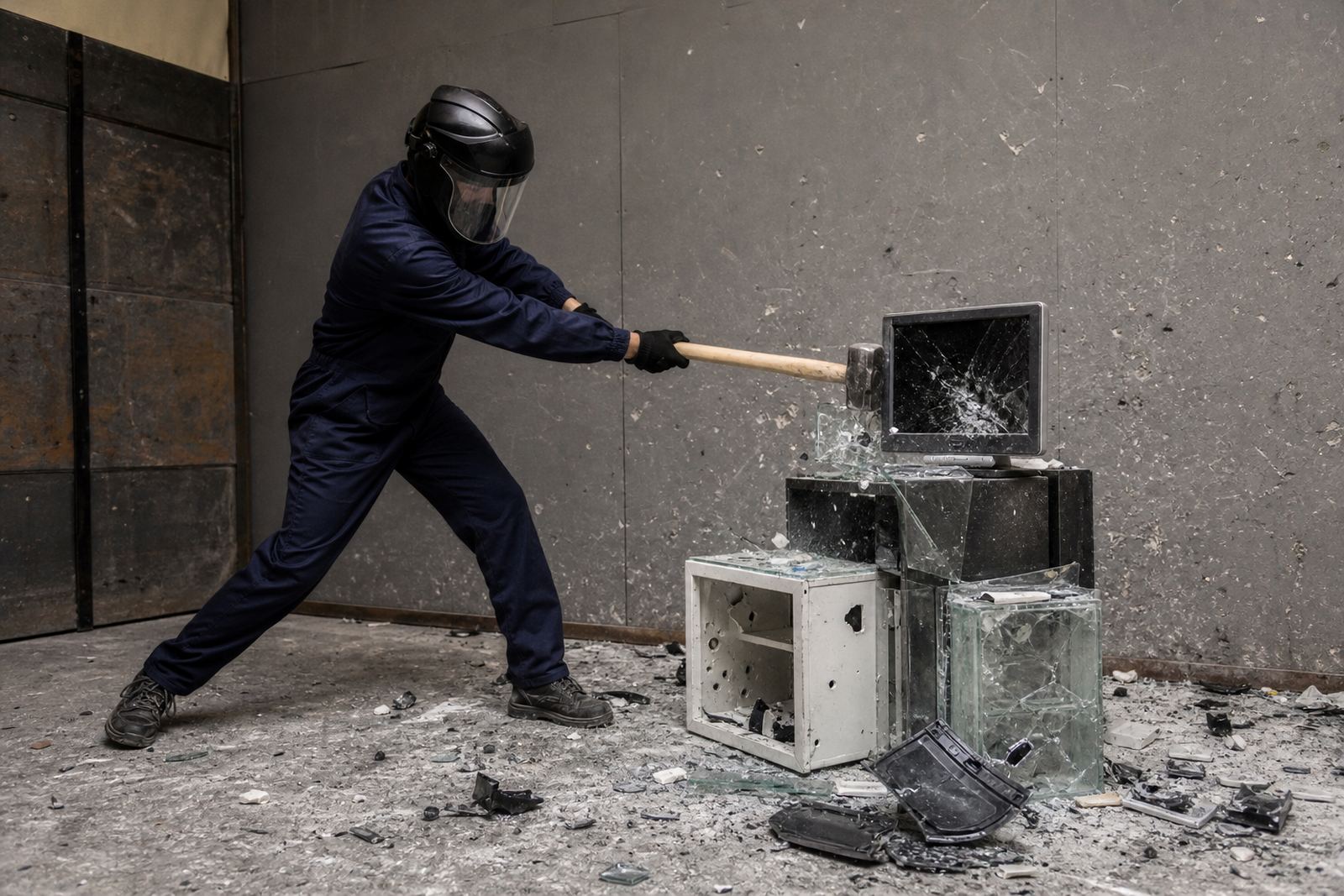
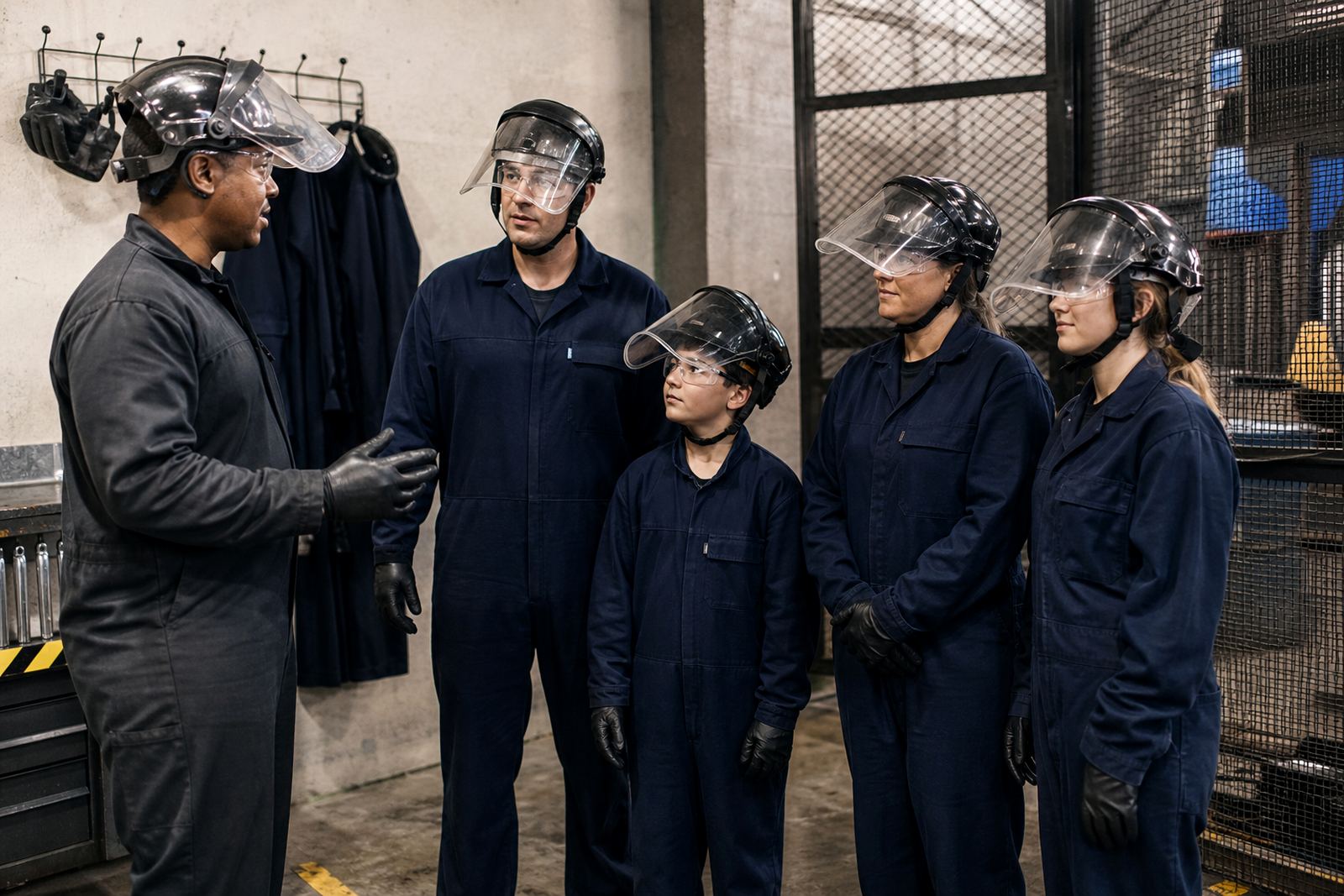
Anyone entering the active area needs proper safety gear, including a helmet, face shield, gloves, overalls, and closed shoes. That is non-negotiable. Before anyone starts, the team should explain how the session works, where to stand, how to move, and what to do if something feels off. Briefing is not only for the person holding the bat. It also matters for spectators who are nearby and need to know the boundaries.
Good safety planning is about reducing guesswork. Participants should understand how to handle equipment, how to move around broken material, and why the session is controlled from start to finish. Spectators should stay outside the active zone unless they are called in. That is especially important at group events where people may be laughing, filming, or talking and not paying full attention.
- Participants wear full protective gear before entering the smashing area.
- Spectators remain in the designated viewing zone.
- Everyone gets a briefing before the session starts, not halfway through.
- Minimum age rules should be checked before the booking is confirmed.
For younger guests or mixed-age groups, it helps to confirm the age requirements early. A clear rule avoids awkward conversations on the day and keeps the event running properly. It also makes it easier for organisers in places like Paarl or Bellville, where a booking may include families, colleagues and friends all in one group.
How To Keep The Flow Moving When Some Guests Sit Out
The biggest challenge in a spectator or participant mix is time. If you do not manage the sequence, the active guests can end up waiting while everyone else wonders what comes next. A sensible plan gives each person a role or a turn, and keeps the pace steady. That matters even more for larger groups, where you may have people arriving from different parts of Cape Town after work, in traffic, or straight from campus.
One useful approach is to split the group into two. While one set gears up, the other watches, takes photos, and gets briefed on what happens next. Then the groups swap. This keeps the mood up and stops the non-participants from drifting off. It also means the venue team can keep control of the room without rushing anyone.
- Use small turns instead of one long free-for-all.
- Keep the waiting group involved with a simple rotation.
- Build in time for photos between turns, not during them.
- Have one person from the group helping to keep count if needed.
For corporate groups, this can work especially well as part of a team building session. Some staff want to smash, others want to observe and support. A good structure lets both types of guests feel included without forcing the same experience on everyone.
A Woodstock Example: Mixed Team, Different Comfort Levels
Picture a Friday afternoon group from a creative office in Woodstock. Half the team wants to smash, three people are keen to watch first, and one person is nervous but still wants to come along. That is a normal booking, not a problem. The best thing you can do is explain the order of the session, show where the active zone is, and let people choose their level of participation.
In a setup like this, the observers can help with photos, take notes for a work social recap, or just stand back and enjoy the energy. The participants can focus on the session knowing the other guests are safe and informed. At the end, everyone still leaves with a shared experience, which is often the main reason groups book in the first place.
That same approach works for birthdays in Observatory, student groups from Stellenbosch, or sports clubs coming in from Somerset West. Different people want different things, and that is fine. The key is to keep the event organised so nobody feels left out or pushed too far.
What Good Event Coordination Looks Like On The Day
Strong event coordination is what turns a mixed group into a well-run session. At SmashDown, the team led by Luvuyo Mthembu works with practical venue operations, safety briefings, and group flow so the day stays simple for organisers. The same care applies whether the booking is for a private event, staff social, launch event, or content shoot.
When organisers know what to expect, it becomes easier to manage parking, arrival times, the order of turns, and which guests are participating. It also helps with mobile events across South Africa, where the venue set-up may differ from one site to the next. Clear instruction keeps the mood relaxed and the event moving.
- Confirm who is participating before the group arrives.
- Plan a simple turn order for larger groups.
- Keep spectators in a clearly marked viewing area.
- Make sure all guests know the minimum age and safety rules.
If you are planning a group booking in Cape Town, Bellville, Paarl, Somerset West, or Stellenbosch, it is worth thinking about the watcher as much as the participant. The smoother the split, the better the event feels for everyone involved.
The Best Groups Make Room For Both
Not every guest wants the same experience, and that should be expected. A good rage room session gives participants a safe, controlled way to take part while making spectators feel included, informed, and comfortable. That balance matters whether you are organising a hen and stag, a birthday, a student event, or a team social.
SmashDown, based in Woodstock and serving groups across Cape Town and beyond, focuses on clear briefings, proper gear, and a practical event flow. From the first enquiry to the end of the session, the aim is to keep things organised so each guest can choose how involved they want to be.
In the end, the real question is not whether someone smashes or watches. It is whether the group has been set up well enough for both to enjoy the day. When that part is handled properly, everyone leaves with a better story to tell.