
Start With A Clear Group Split
The quickest group sessions begin before anyone puts on a helmet. For larger bookings, the organiser should split the group into smaller rotation sets before arrival, usually based on who is arriving together, who wants to smash first, and who needs a bit more time to settle in. This makes the first briefing easier and keeps the flow steady once the room is in use.
For mixed groups, it also helps to decide on one point person who can answer final questions and keep everyone together. That is especially useful for staff socials, birthday groups and team events where people may arrive from different parts of Cape Town or the surrounding areas like Stellenbosch, Paarl, Somerset West and Bellville.
- Confirm the number of participants in each rotation set
- Nominate one organiser or group lead
- Separate anyone who wants to take photos from the active smashing group
- Keep late arrivals on a back-up rotation if needed
Use The Briefing To Set The Pace
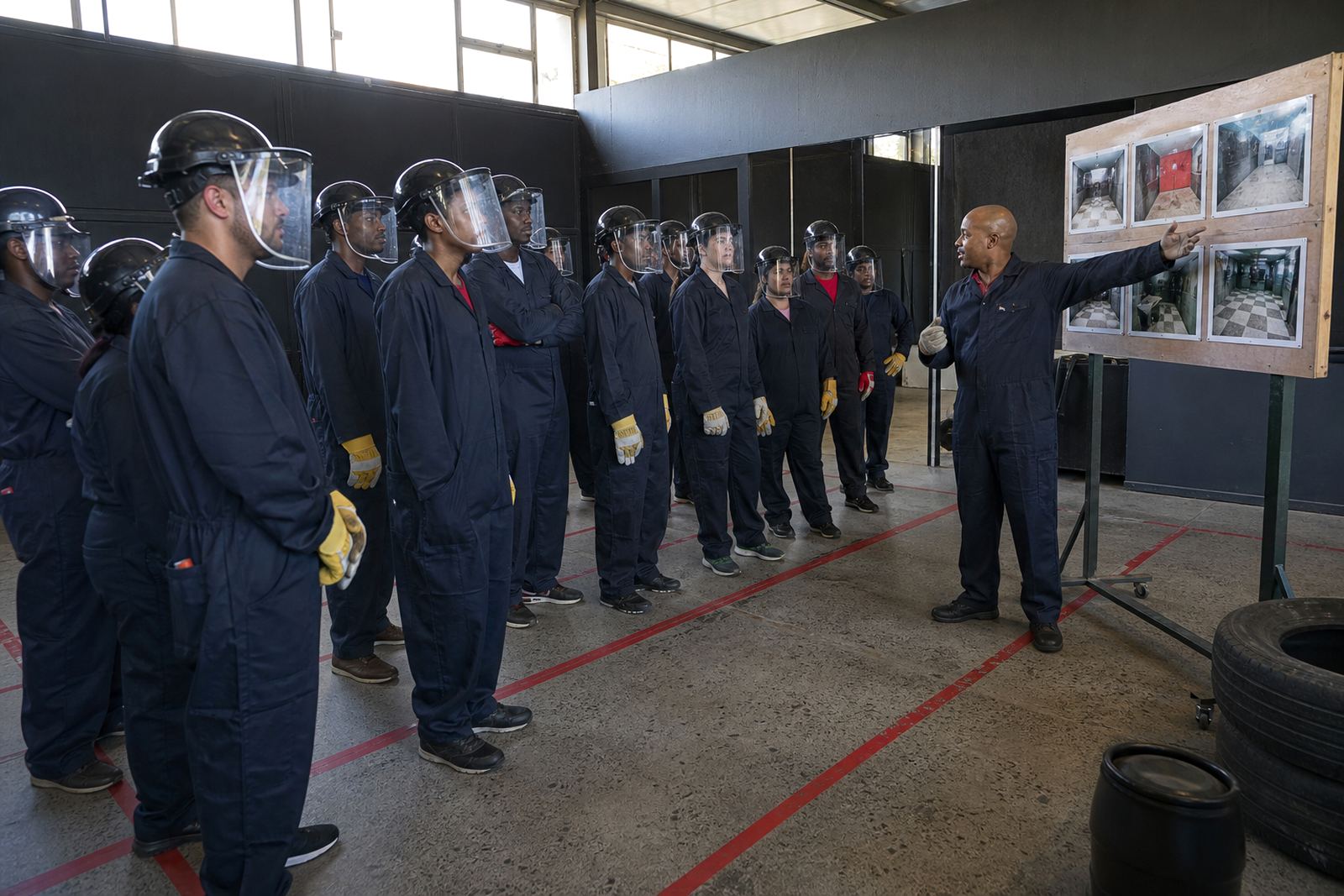
Every group should receive the same short, practical briefing before going near the room. This covers how the session works, how to move safely in the space, what to wear, and how to hand over equipment properly. A clear briefing saves time later because fewer people need repeated explanations once the room is active.
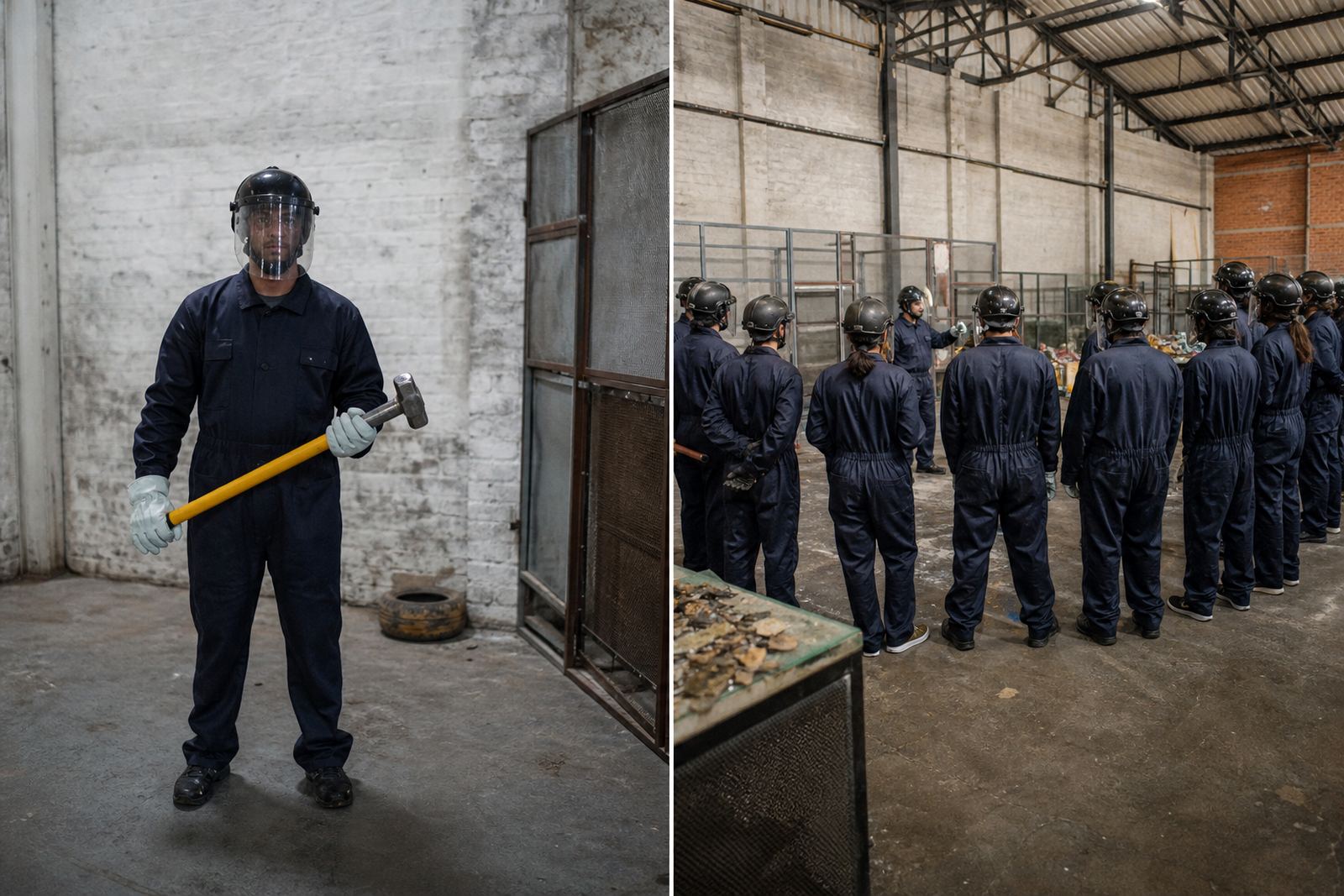
For larger groups, briefings work best when everyone stands where they can hear properly and see the equipment. The safety and briefing lead can explain the sequence, then answer questions before the first set goes in. That way the rest of the group can wait with less uncertainty and the next set is ready to move as soon as the room is cleared.
- Listen for the full safety instructions before dressing up
- Keep jewellery, loose items and phones out of the room
- Follow the room marshal’s directions at all times
- Ask questions during the briefing, not after the door closes
Issue Gear Quickly And Check Fit
Once the briefing is done, gear issue should happen in the same order every time. Participants are fitted with a helmet, face shield, gloves and overalls, then asked to wear closed shoes. A good fit matters because it reduces delays and helps the group move from prep to room access without confusion. If a helmet strap or glove size needs adjusting, it is better to sort that before the room is opened.
With bigger bookings, a simple gear line works best. One person checks the fit while another marks who is ready. This is a small thing but it makes a big difference when twenty people are waiting and the next rotation needs to begin on time. In coastal areas like Woodstock and Salt River, it also helps to keep gear in good condition and dry between sessions, especially where humidity can be high.
- Helmet secured properly
- Face shield lowered and clear
- Gloves fitted before entering the room
- Overalls fastened as instructed
- Closed shoes on, with no sandals or open toes
Rotate Small Sets Through The Room
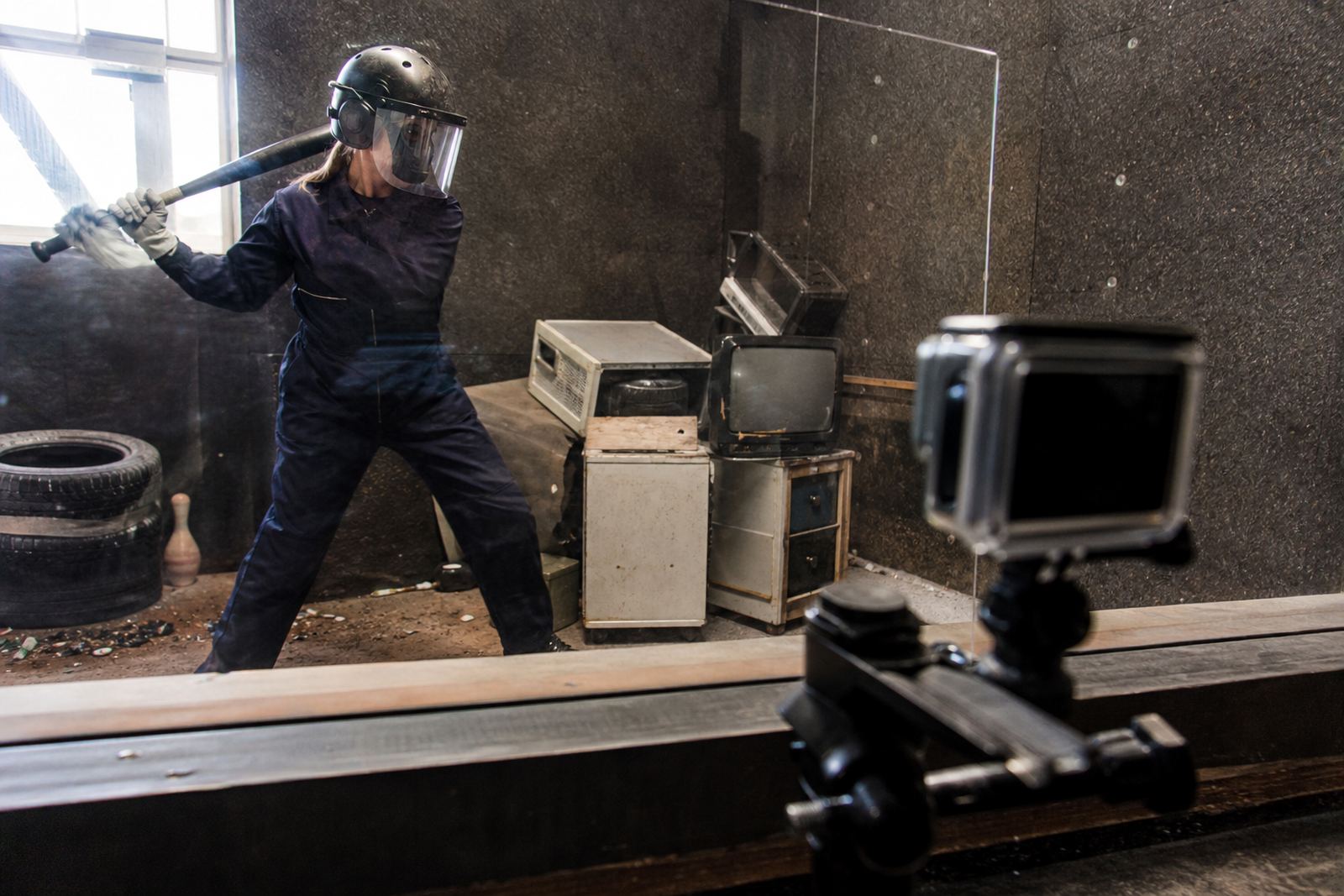
The best flow usually comes from rotating smaller sets rather than sending the whole group in at once. That gives each set enough time to use the room properly while the next set stays ready in the queue. It also keeps the space easier to supervise and reduces the risk of overcrowding.
For team events, one set can be active while the next watches from the waiting area and gets ready for their turn. Once the room is cleared, equipment is checked and the next set moves in without a long pause. If the group is very large, a third set can stay in reserve so there is always someone prepared to step in should a member of the earlier set opt out.
Good rotation is less about speed and more about rhythm. When everyone knows who goes next, the session stays organised and the waiting time feels shorter. It also means the venue team can keep an eye on the room, reset between sets and make sure each group enters with the same instructions.
Keep The Waiting Area Working For You
The waiting area is part of the flow, not dead time. Larger groups can use it to settle payment details, sort final headcounts, take photos before gear goes on and check who still needs a turn. If the organiser keeps the group together here, the venue team can call the next set forward without hunting for missing participants.
For corporate groups, this is also the place to manage any event timing around transport, food or speaker slots. A team in Somerset West, for example, may be working around a tight day schedule so the handover between groups needs to be tidy. The same applies to sports clubs and student groups that arrive in blocks and need clear direction from the start.
- Keep the next set nearby when their turn is close
- Use the waiting time to complete any final admin
- Store bags and loose items where they will not block access
- Have one person ready to confirm the next names
Use A Reset Routine Between Each Set
A smooth group flow depends on what happens between sets as much as what happens inside the room. After each turn, the room should be cleared, checked and reset before the next participants enter. That is where the room marshal and operations team keep the schedule steady and help prevent unnecessary delays.
For larger events, the reset routine should stay simple. The group exits in one direction, gear is returned in order, and the next set stays outside until the room is confirmed ready. This is particularly useful for birthday events, hen and stag bookings, launch events and content shoots where there may be extra moving parts or people waiting to film from the side.
When the reset stays consistent, the whole booking feels more controlled and less rushed. The group does not need to guess what comes next, which helps the session move from one set to the next with fewer interruptions.
What The Organiser Should Confirm Before Arrival
A few checks before arrival can make the whole day easier. This is the part where the organiser confirms headcount, age mix and any special timing needs, then shares those details through the enquiry form on the contact page. For private events and large group bookings, that information helps the team plan the right flow before anyone arrives at the Woodstock base.
It is also wise to remind everyone about the minimum age requirements for participation and the need for closed shoes. If the booking includes people from different branches or nearby areas such as Observatory or Bellville, the organiser should allow enough travel time so the first briefing can start together and the rotation does not slip behind.
- Final headcount confirmed
- Minimum age checked for all participants
- Closed shoes reminded in advance
- Group lead named
- Arrival time shared with the full group