
Before You Arrive: Plan the Shots and the People
Good recording starts before the session begins. Decide who is filming, whether you want still photos, short clips or both, and who in the group is happy to be on camera. If you are booking for a birthday, staff social or team event, appoint one person to handle the phone or camera so the rest of the group can stay focused on the briefing and the session.
It helps to think about the purpose of the recording. Some groups want a few action clips for social media, others want a record of the event for the team chat. Either way, keep it simple. A phone with enough battery, space on the device and a clean lens is usually enough. In Cape Town, load-shedding can affect charging plans, so charge fully before you leave and if possible bring a power bank. That small step saves a lot of stress later.
- Check who is allowed to be filmed.
- Clear storage space on your phone or camera.
- Charge batteries fully before arrival.
- Pack a power bank if you have one.
- Bring a cloth to wipe dust off the lens.
What to Wear When You Want Good Photos and Safe Movement
Wear clothing that lets you move comfortably and that works under protective gear. Closed shoes are essential. Flat shoes with a proper sole are best, because the venue will not allow open sandals or loose footwear in the smash area. Long trousers and a top that fits well under overalls will usually be more comfortable than very loose clothing.
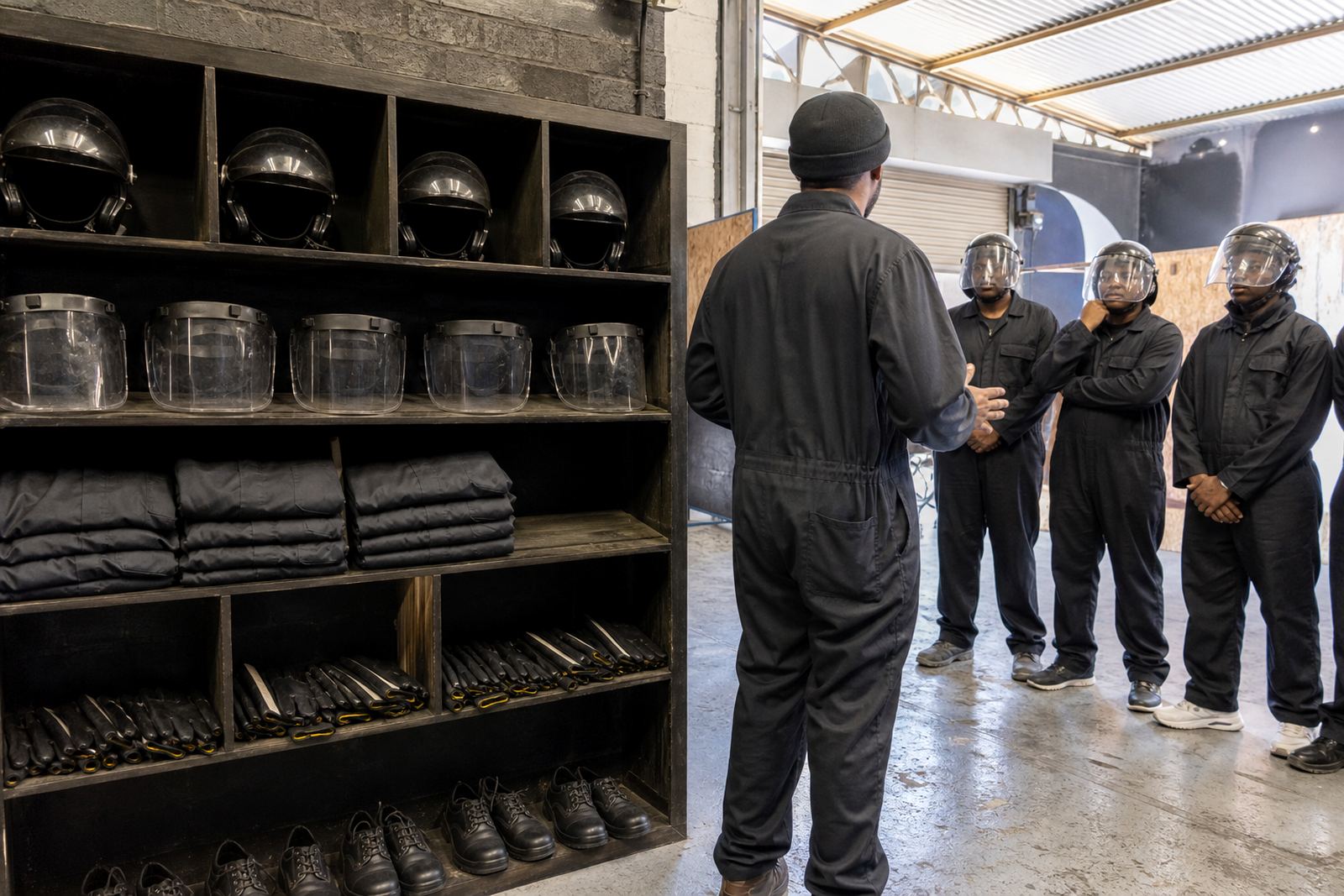
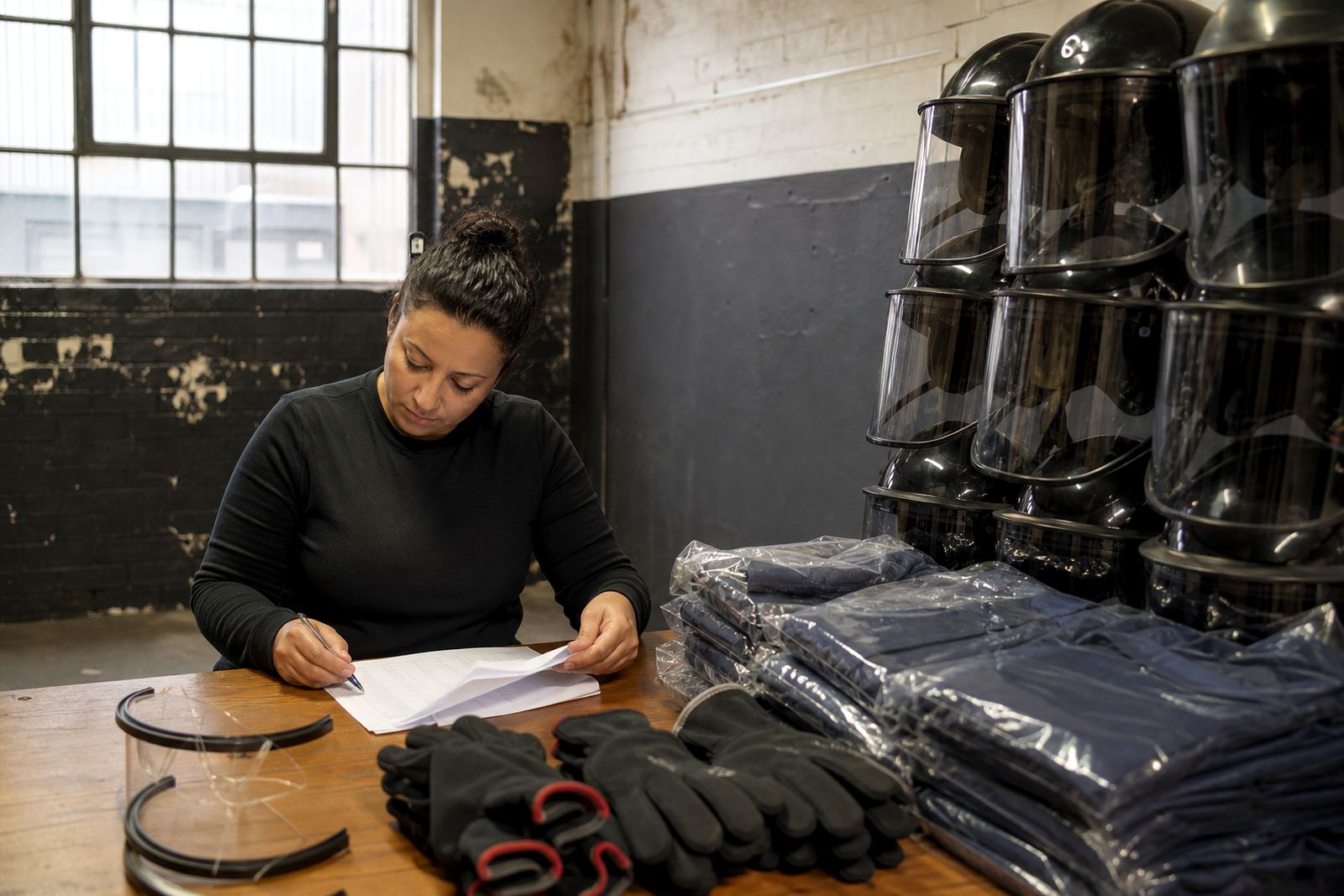
You will be issued with safety gear before the session starts, usually including a helmet, face shield, gloves and overalls. These are not just for show, they must stay on as instructed by the venue team. If you are filming your own group, make sure the gear stays properly fitted and is not being held off to the side for a quick photo. A session only works well when everyone follows the same safety standard.
For photography, simple colours and plain clothing often look better on camera than busy prints. If your group is planning a coordinated look for a content shoot, keep it practical and avoid anything that could snag, slip or get in the way while moving around broken items. Coastal humidity in Woodstock and the surrounding areas can also make some fabrics feel heavier, so breathable clothes are worth considering.
- Closed shoes only.
- Wear clothing that fits under overalls.
- Keep long hair tied back.
- Remove loose jewellery before the session.
- Use gear exactly as briefed by the team.
During the Briefing: Listen First, Record Second
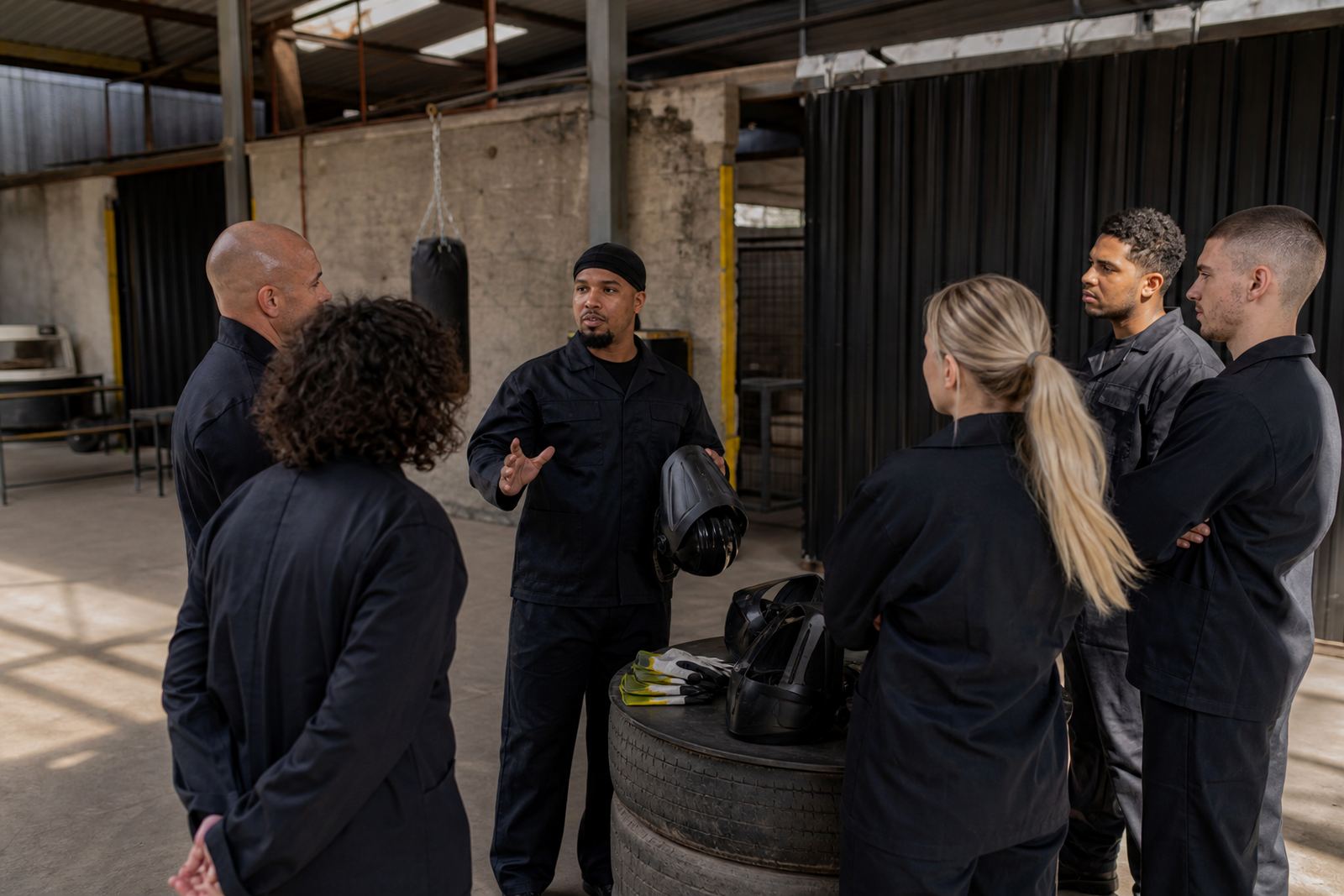
The safety briefing is the most important part of the visit, and it is also the best time to confirm when recording is allowed. Listen carefully to the instructions on what may be filmed, where you may stand and how close you can get to the action. If you miss part of the briefing because you are adjusting your camera, ask for the instruction to be repeated. That is better than guessing.
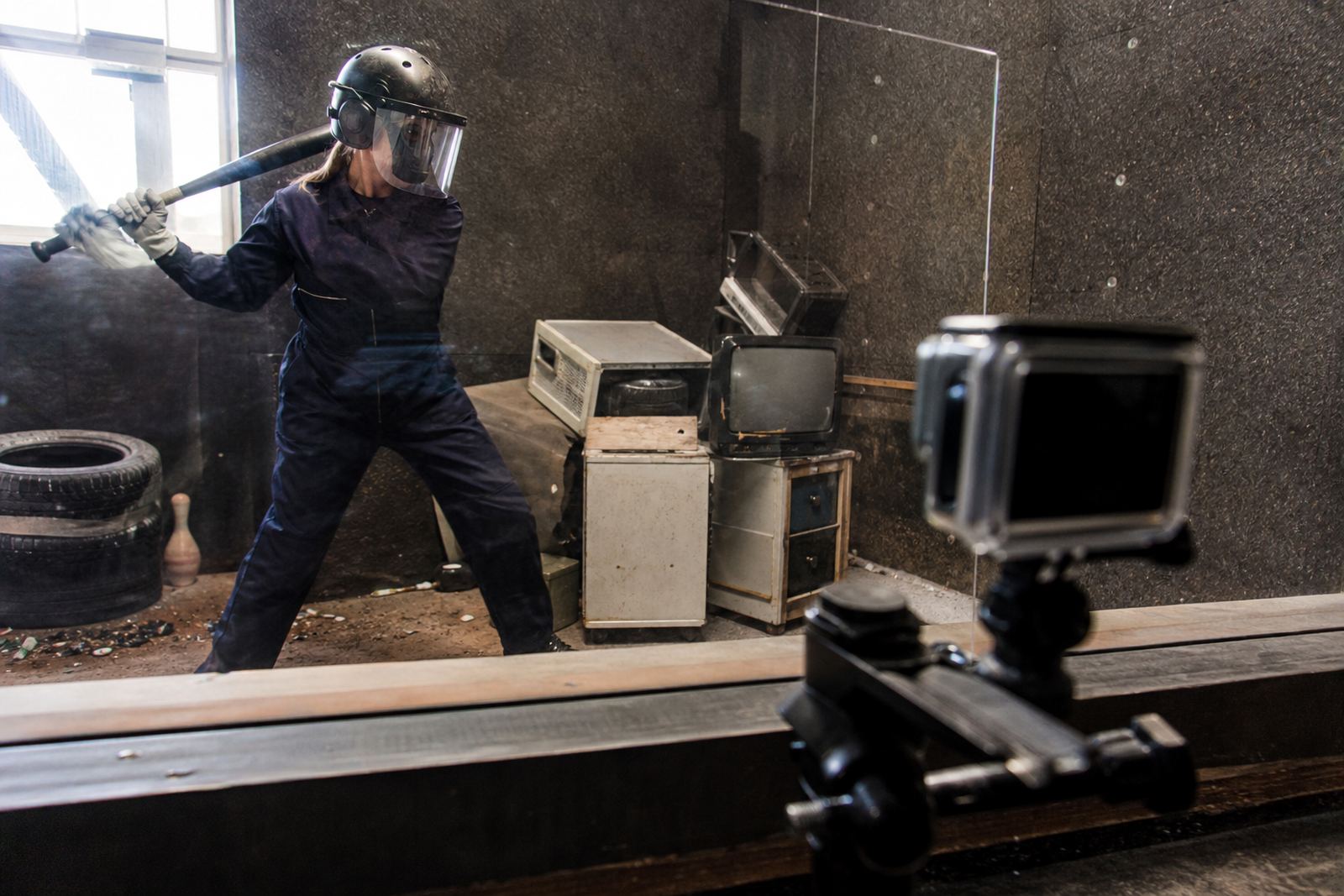
When filming, stay behind the line or in the area marked by the team. Do not walk into the smash space just to get a better angle. Items can move unexpectedly and safety rules are there for a reason. Keep your voice low during the briefing, switch your phone to silent and avoid flash unless the venue has said it is fine. The session team will tell you if there are any areas where recording is not allowed for safety or privacy reasons.
If your group includes first time visitors, appoint one person to remind everyone about the rules. It is easy for excitement to take over, but the safest sessions are the ones where the brief is followed properly, no matter how eager people are to start.
Best Angles for Photos Without Getting in the Way
Once the session begins, keep your filming simple. A wide shot from a safe viewing area can capture the full energy of the room, while a few close clips from an allowed position can show the action more clearly. If you are using a phone, hold it steady with two hands or rest your elbows against your body to reduce shake. Vertical video works well for some social platforms, while landscape is better for wider group shots.
Try to record short clips instead of trying to film everything. This makes it easier to edit later and helps you stay present in the session. Capture the group before the smashing starts, then a few action moments, and finally a quick end shot with the team together. If someone is leading the event or coordinating a birthday, ask them to stand where they can be seen clearly for one or two frames. That way the recording tells the story of the event, not just random fragments.
Keep faces visible when people want to be recognised, but do not point cameras at anyone who has asked not to be filmed. It is always better to respect that boundary. A good recording should show the atmosphere without interrupting the flow of the session.
- Use a steady hand or a simple grip.
- Mix wide shots with a few close clips.
- Record short sections rather than one long take.
- Keep people’s consent in mind.
- Stay in the permitted viewing area.
Group Events, Content Shoots and Team Bookings
For private events, team building sessions and content shoots, it helps to assign roles before the group arrives. One person can manage filming, another can look after the booking details, and a third can help the group move through the briefing and into the session on time. That keeps everything organised, especially for larger groups coming from Cape Town, Stellenbosch, Paarl, Somerset West, Bellville or nearby areas.
If you are arranging a launch event, student event, sports club outing or staff social, share the recording plan with the organiser beforehand. Let everyone know if there will be photos, videos or both. If some people do not want to appear on camera, place them at the edge of the group shot or keep them out of frame. For mobile events, the same rules apply and the recording setup should still respect safety instructions from the venue team.
Keep in mind that event spaces can get noisy and busy. Speak clearly, keep equipment simple and avoid bringing bulky gear that gets in the way of movement. The aim is to capture the session well without slowing it down.
- Nominate one person to handle filming.
- Confirm consent before the event starts.
- Keep equipment light and easy to carry.
- Share the recording plan with the organiser.
- Follow the venue team’s instruction at every stage.
After the Session: Sort, Share and Keep It Clean
Once the session is finished, check your camera roll or video clips before leaving. Wipe dust off the lens, check that the audio is usable and save the best files to a backup if you can. If the venue has asked for any images to be shared with the group later, make sure you know where they are stored. A quick review on site is much easier than trying to find missing footage later.
When you share the recordings, be mindful of privacy. Not every clip needs to be posted publicly. Some groups prefer to keep their session private and use the footage only inside the team or family group. If you are posting online, choose images that show the event clearly and safely, without making it look like the rules were ignored.
For future visits, keep a simple note of what worked. Maybe the best shots came from a wide angle, or the battery drained faster than expected. Small notes like that make the next recording easier and the content better. The best guide is experience, and after one or two visits you will know what to bring and what to leave behind.