
What the Durbanville brief called for
The client was a Durbanville-based workshop team looking for something practical for staff from different departments. They needed an activity that worked for mixed fitness levels, did not depend on the weather and could be run in small groups without people standing around for long. The idea was simple: give the team a change of pace, keep it well controlled and make sure the instructions were clear for first-timers.
The venue needed to handle a working group that valued punctuality and clear direction. They also wanted a format that would suit staff who were comfortable joining in, while still keeping the whole day tidy and manageable. The brief was less about spectacle and more about smooth flow, safe participation and a session people could talk about later without it feeling overdone.
- Client type: Durbanville workshop team
- Town: Durbanville, Cape Town northern suburbs
- Format: small-group rotations with hosted instruction
- Group fit: staff event for varied ages and experience levels
- Weather proof: indoor activity, useful during wind or rain
How we structured the session
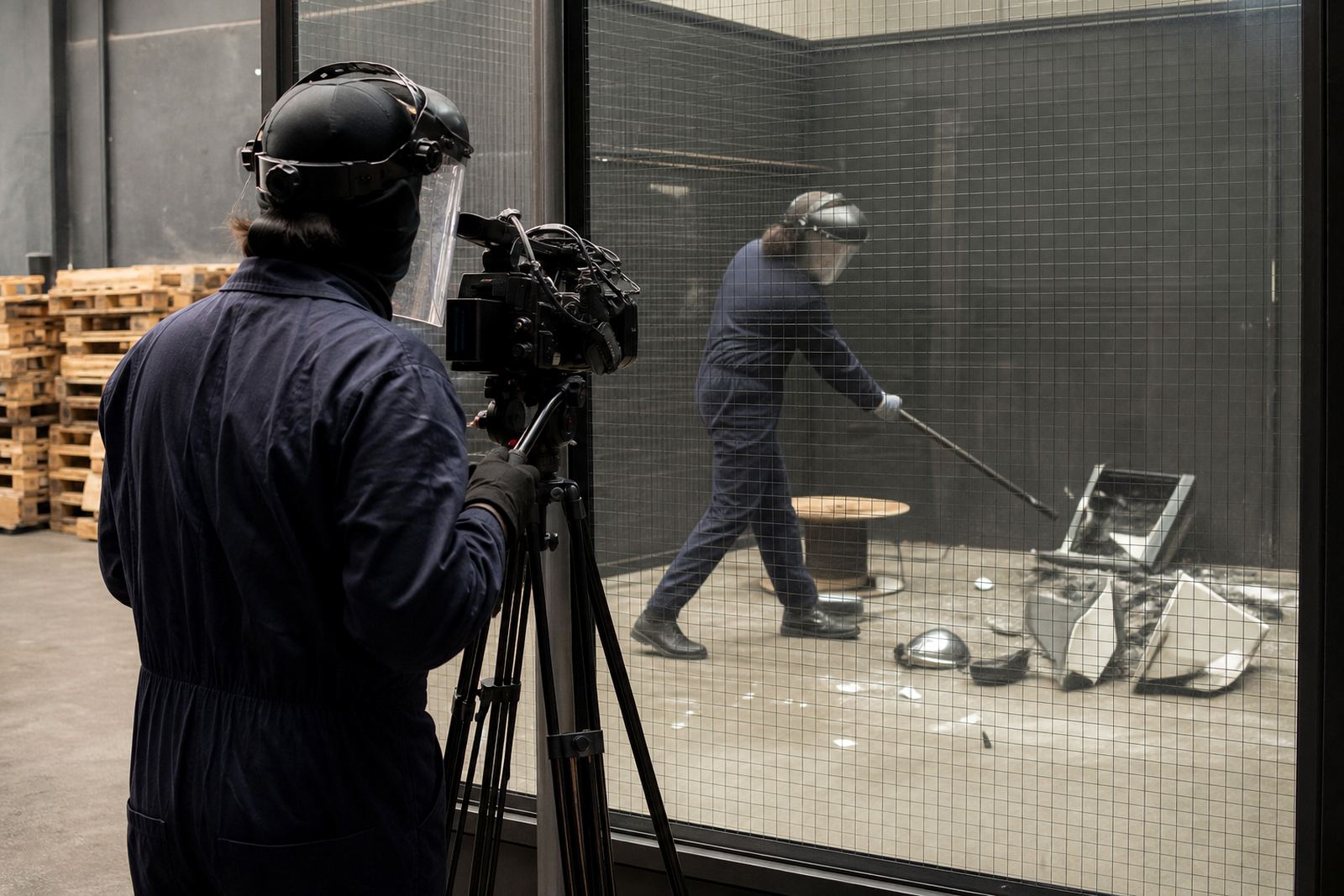
We arranged the day around rotation blocks so each group had time to gear up, listen to the briefing and then take their turn in the room. That approach worked well for a workshop team because it kept the pace steady and avoided crowding. It also gave the organisers a clean schedule they could share with their staff beforehand.
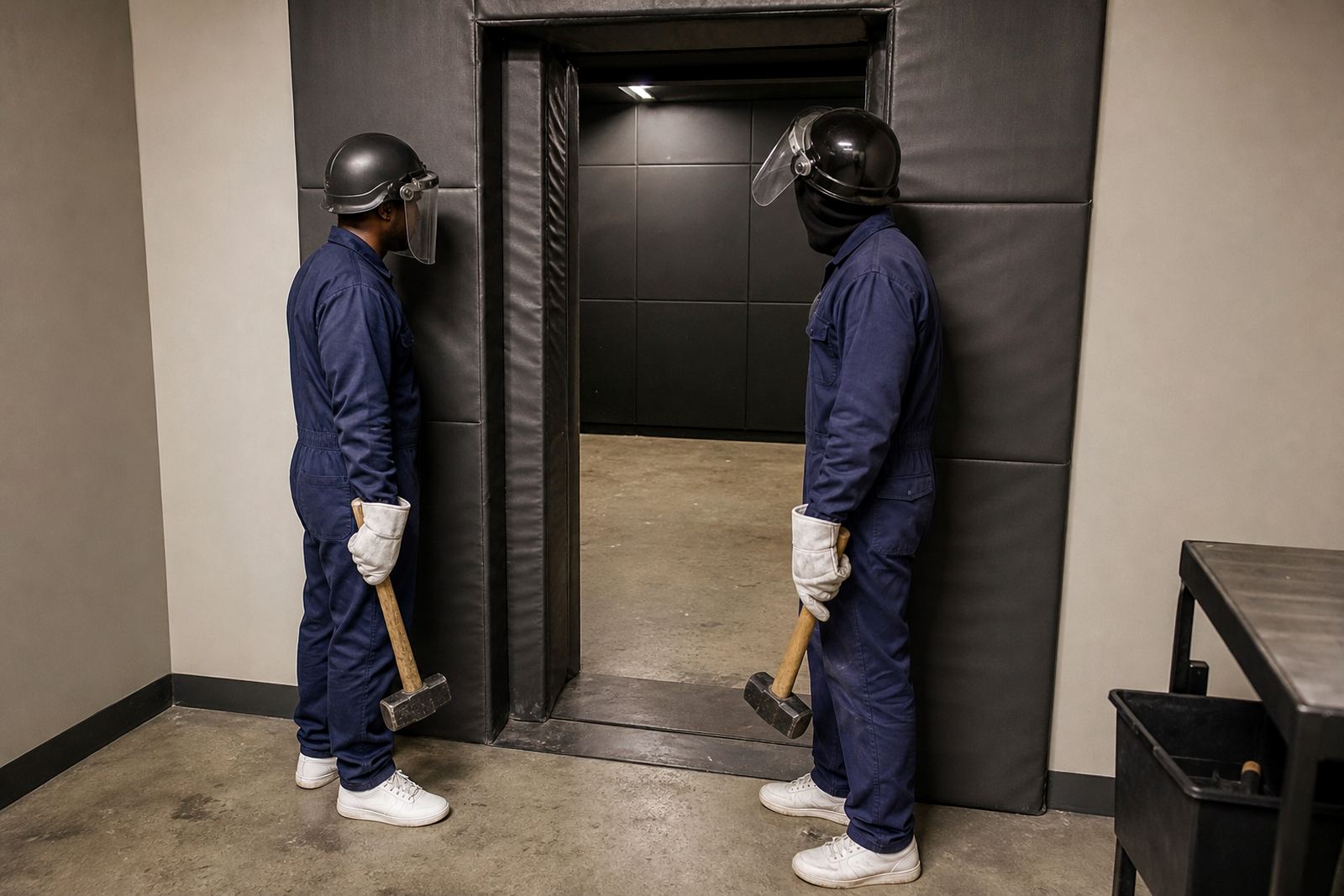
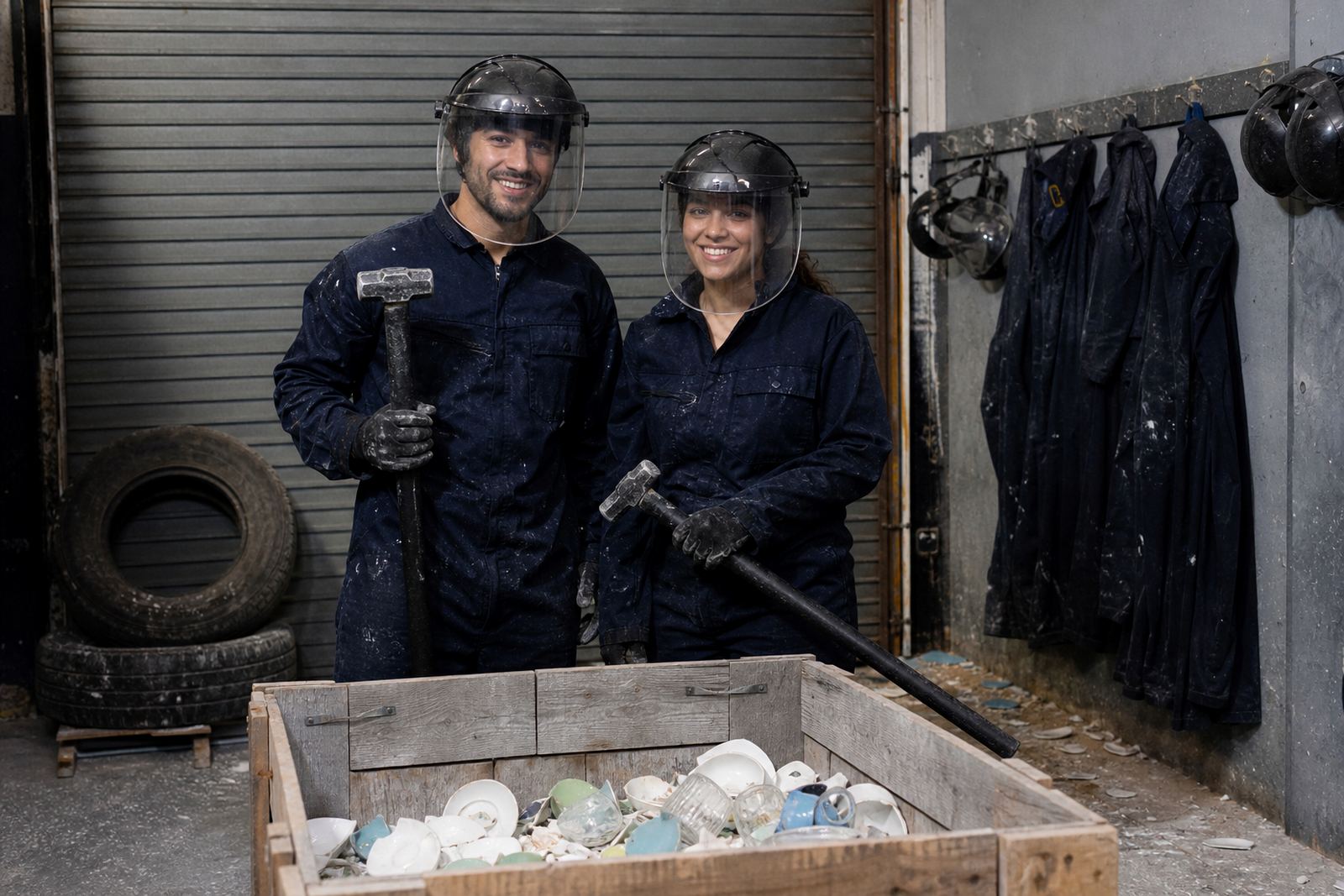
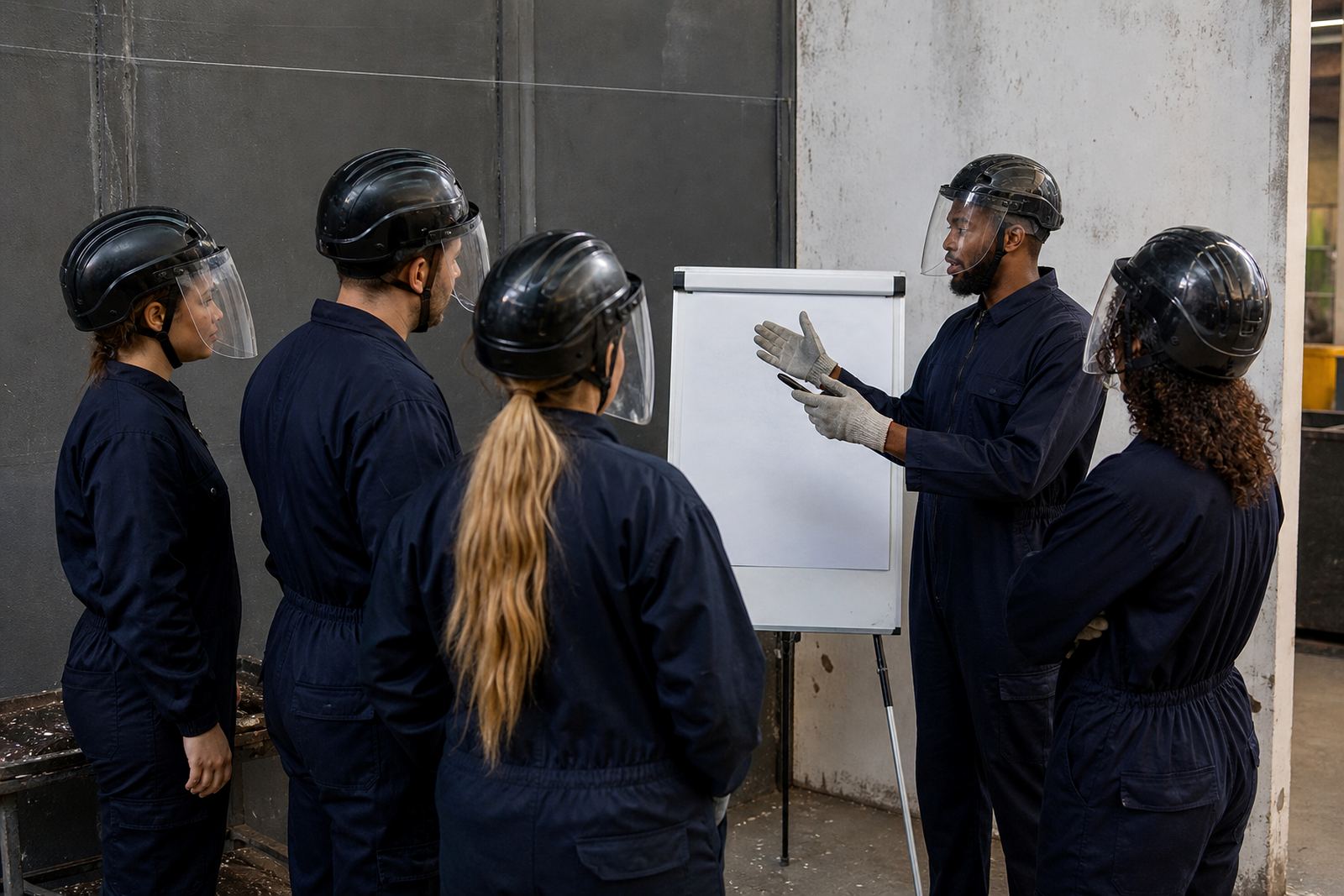
The hosted instructions covered how the room worked, what to wear and what not to bring. Everyone was fitted with a helmet, face shield, gloves and overalls, and we made sure closed shoes were part of the entry rules. The safety lead went through each step before any session started, including how to move in the space and how to hand over between groups. It was direct, practical and easy to follow, which matters when people arrive in pairs and small clusters from a busy workplace.
- Small-group rotations to keep things moving
- Hosted briefing before each round
- Protective gear issued on site
- Closed shoes required for all participants
- Clear handover points between groups
Constraints we had to plan around
The main constraint was time. The Durbanville team had a fixed slot and wanted the activity to fit between other work commitments, so the run sheet had to be tight. We allowed enough time for arrivals, gear-up and the briefing without squeezing the actual session. There was also a practical need to keep the area organised because people were coming in from a work setting and needed a tidy, well-run process.
Another factor was comfort. Some participants were fully ready to get stuck in, while others were more cautious. We handled that by keeping the instruction style calm and clear, and by making sure no one felt rushed. It helps when the room is managed by people who can read the group and adjust the tempo a little. That kept the energy up without turning it into chaos, which can happen fast if a group is left to figure things out on its own.
- Fixed time window due to the workday schedule
- Mixed confidence levels in the group
- Need for a clean, orderly handover process
- Indoor setup suitable for Cape Town weather changes
What we supplied and managed
We supplied the full hosted experience, from the welcome and briefing through to the gear issue and supervised rotation. The team received clear instructions on how the session would work, what protective gear to wear and how each participant would be brought into the room. That included helmet, face shield, gloves and overalls, with a firm rule that closed shoes were non-negotiable.
For a workshop group, it mattered that the process felt dependable. The briefing covered safety basics, boundaries and the order of the session, with enough detail to prevent confusion but not so much that it dragged. Our team managed the timing, the turn taking and the room reset between groups. We also coordinated the sequence so the organisers did not have to keep checking in. That left them free to join the event instead of running it themselves, which is usually the point.
- Hosted safety briefing
- Protective gear issued for every participant
- Rotation management and session timing
- Room reset between small groups
- Coordination with the organiser on the day
Timeline from booking to day-of
The project ran over two weeks from first enquiry to event day. In week one, we confirmed the group size, the preferred format and the sequence for the day. We also checked the access plan and made sure the organiser had a simple run sheet they could share internally. In week two, we finalised the arrival flow and went through the briefing points again so there was no uncertainty on the day.
That short timeline suited the client because they needed a practical team activity without a long lead-up. The planning was simple, but it still needed discipline. We kept communication direct, which is often the best approach with workplace bookings. No one wants long back and forth when they just need a clear answer and a reliable session. The result was a neat, on-time setup that matched the office schedule without any fuss.
- Week 1: booking confirmed and group details set
- Week 2: final run sheet and arrival flow agreed
- Day of event: check-in, briefing and rotations completed on schedule
What landed well with the group
The strongest response from the Durbanville team was to the structure. People liked knowing exactly what would happen and when. The small-group format made it easier for colleagues to watch, support each other and then take their turn. It also kept the room from feeling overloaded, which is important when groups arrive with different levels of energy after a morning of work.
For the organisers, the main win was that the event ran without them needing to micromanage it. The safety briefing was clear, the gear process was efficient and the rotations kept moving. That combination made the day feel organised from the first arrival to the last handover. A few staff members were hesitant at first, then settled into it once they saw how the briefing worked and how controlled the session was. That sort of shift is common when people understand the rules upfront.
- Clear structure gave the group confidence
- Small rotations kept the pace steady
- Organisers could participate instead of supervise
- The session stayed orderly from start to finish
What we would repeat for another Durbanville team day
We would run the same format again for a Durbanville team, especially where the group is coming from a busy workplace and needs a session that is easy to schedule. The small-group rotation model works well because it keeps the energy up while still giving enough time for each person to settle in. It is also a sensible fit for staff events where people want something different but still practical.
For a repeat booking, we would keep the same priorities: a firm briefing, proper protective gear, closed shoes for all participants and a run sheet that matches the client’s timing. That combination gives the organiser confidence and lets the team enjoy the day without wondering what happens next. If the group is larger, we would simply stretch the rotations and keep the same clear flow. It is a simple system, but it works well, and it leaves room for the team to actually enjoy themselves, not just show up and stand around.
- Use the same small-group rotation model
- Keep the hosted briefing short and direct
- Maintain strict gear and footwear rules
- Match the run sheet to the client’s workday
Key facts
| Project | Durbanville Workshop Team |
|---|---|
| Location | Durbanville, Cape Town |
| Format | Small-group rotations with hosted instructions |
| Timeline | 2 weeks from enquiry to event day |
| Protective gear | Helmet, face shield, gloves and overalls |
| Footwear rule | Closed shoes required |