Why fit matters before the first swing
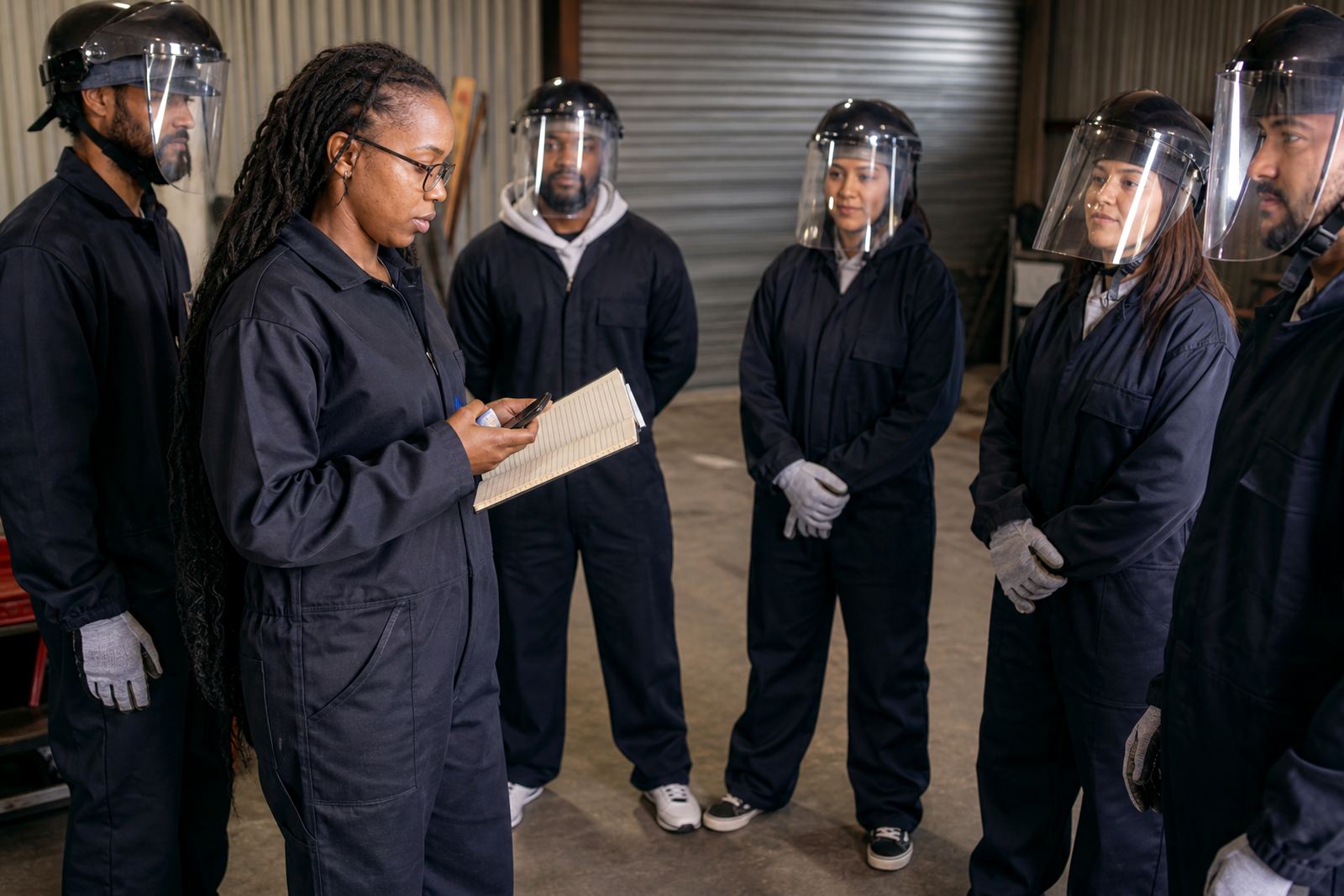
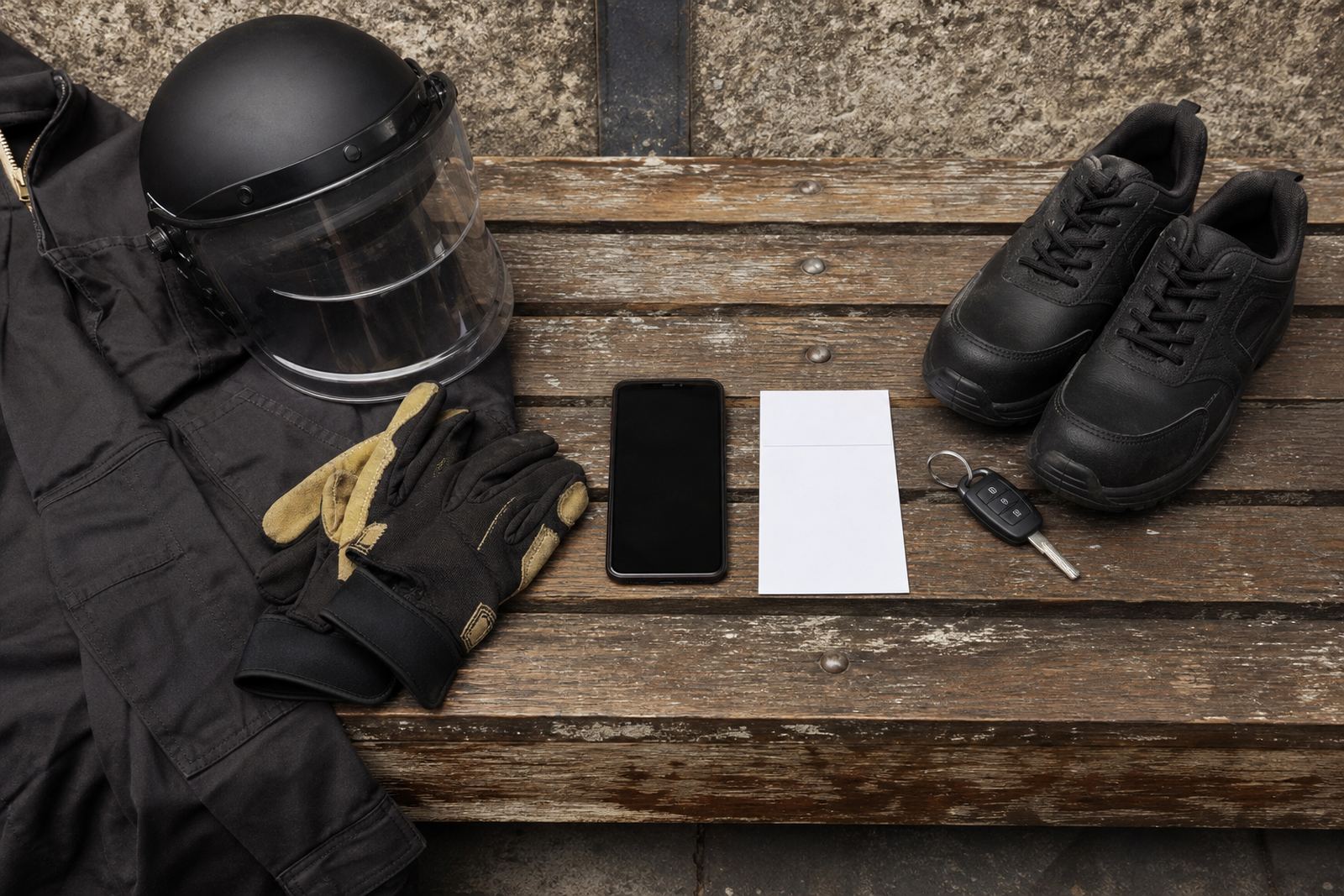
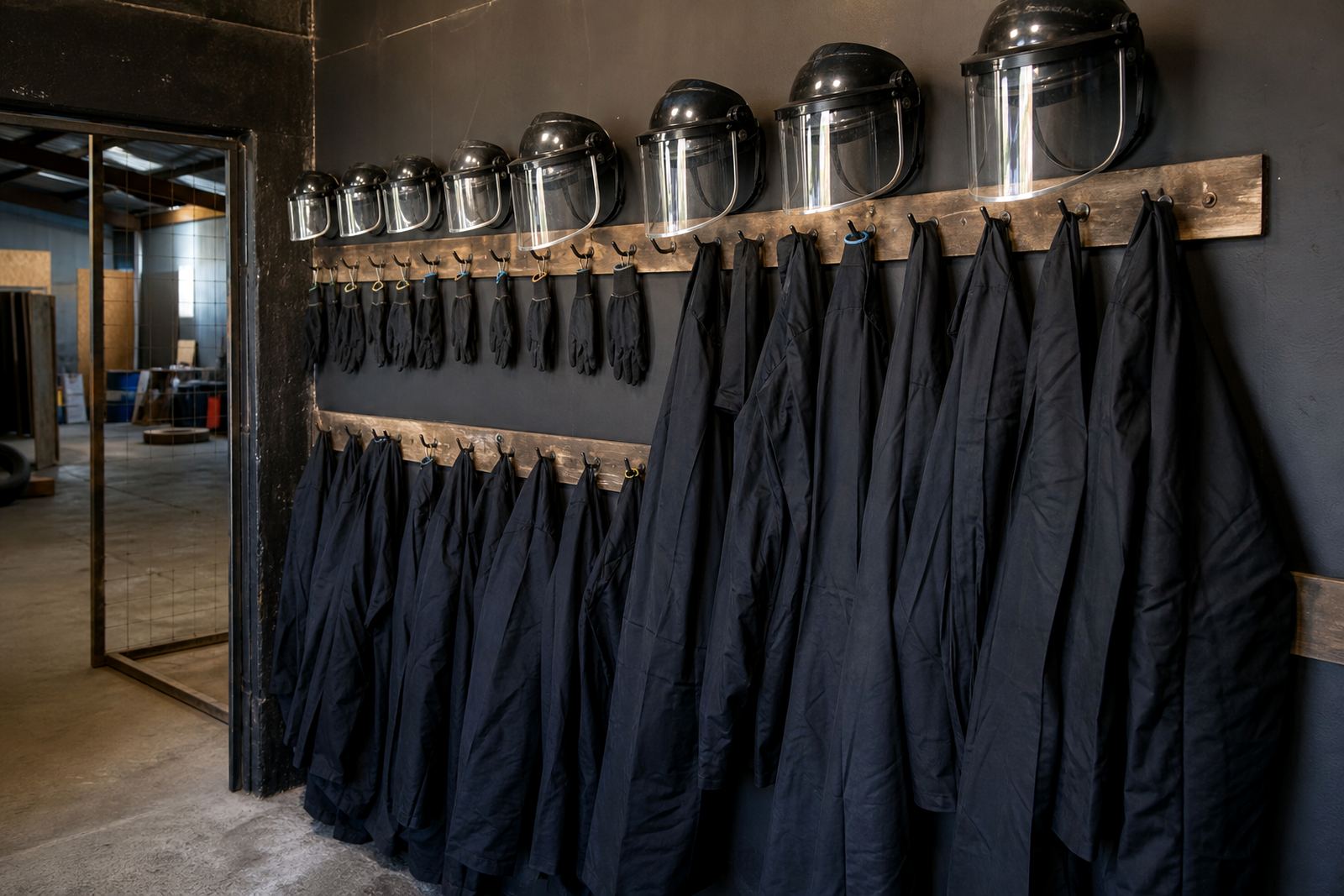
In a rage room, the protective gear is there to help keep glass chips, flying fragments and hard edges away from skin and eyes. If a helmet sits too high, gloves twist on the hand or overalls bunch up at the knee, the gear can get in the way at the exact moment you need to move properly. That is why sizing is checked before any session begins.
Good fit is not about looking neat, it is about keeping the gear in the right position while you bend, lift, swing and step back. A session in Woodstock can already be busy with group arrivals, coastal humidity and a quick briefing, so having the right size sorted early helps everyone settle in and focus on the activity.
- Gear should feel secure without pinching.
- Straps and closures should stay in place during movement.
- Nothing should cover your eyes, nose or mouth when you turn your head.
Helmet fit: steady on the head, clear in front
A helmet should sit level on the head, not tipped back or hanging low over the eyebrows. If it rocks from side to side, it is too loose. If it presses hard on the forehead or temples, it is too small. The aim is a snug fit that stays put when you look up, down and over your shoulder.
The face shield must also sit correctly. It should cover the face area fully while still allowing a clear view of the room and the target area. Scratches, poor alignment or a shield that lifts too easily can make it harder to see what you are doing, which is not ideal when someone is busy swinging a tool in a controlled space.
- Check that the chin strap is fastened and adjusted properly.
- Make sure the helmet does not block hearing during the safety talk.
- Look for even pressure around the head, not one tight spot.
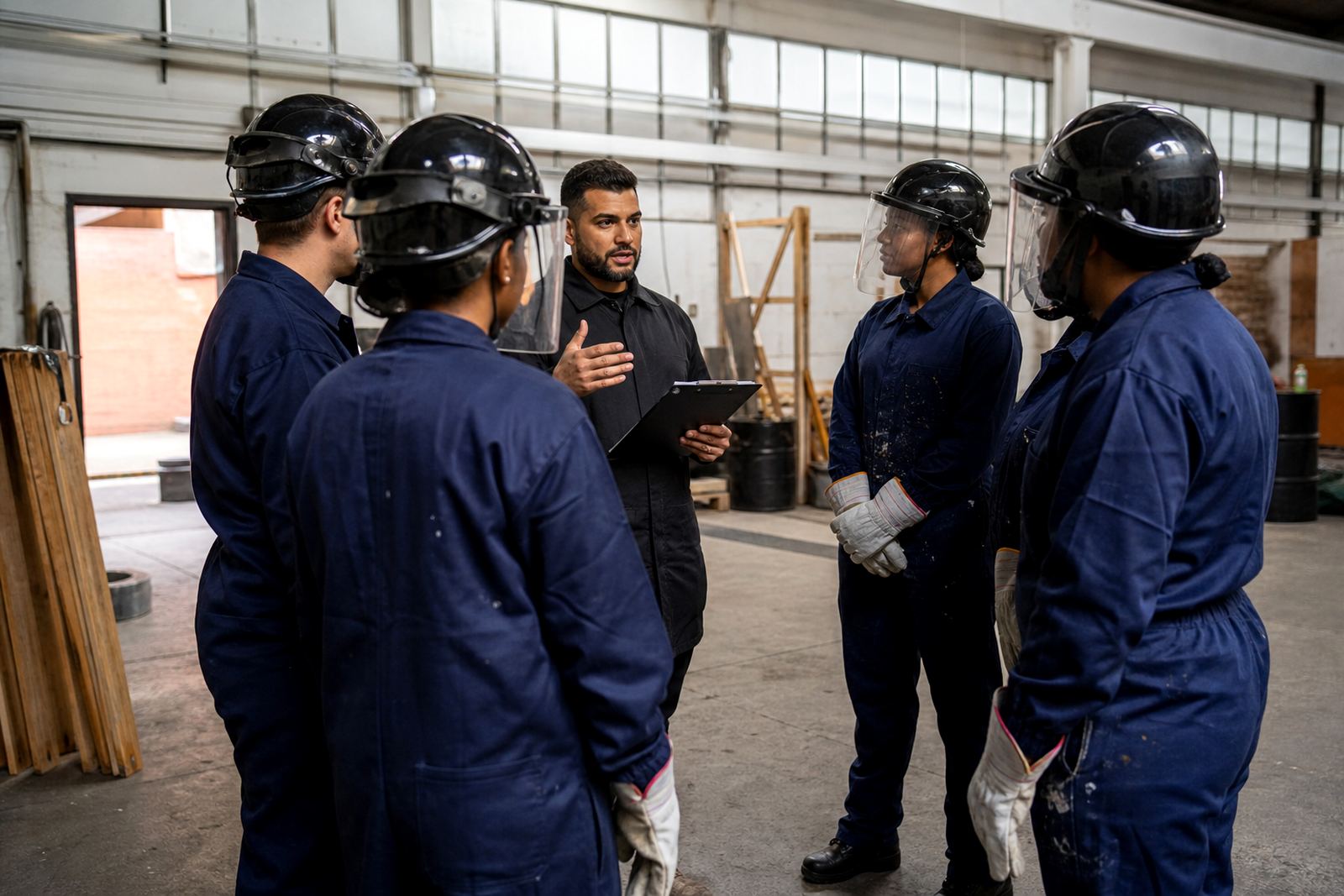
For larger group bookings, staff should check each helmet individually because head shapes differ more than most people expect. A quick sizing pass saves time later and helps keep the session moving, especially when a team arrives straight from Bellville or Stellenbosch and needs the briefing done cleanly.
Glove size: enough grip without cutting off movement
Gloves need to protect the hands while still allowing enough movement to hold a bat, stick or other session item securely. If the fingers reach the ends too tightly, the glove can feel stiff. If the palm is too wide, the grip may slip. The right size sits close to the hand and bends with your fingers rather than against them.
A practical check is simple. Open and close your hands a few times, then twist the wrist and make sure the glove does not pull at the thumb or ride up at the cuff. In a fast paced session, gloves that fit poorly can distract you more than they help, and that is the last thing anyone wants.
- Fingers should reach the glove tips without folding over.
- The palm should not slide inside the glove when you grip.
- The cuff should sit flat and not gap open.
If gloves are too bulky, they can make it harder to hold equipment with confidence. If they are too small, they can tire the hands quickly. Getting the size right helps keep the session controlled and comfortable from the first smash to the last.
Overalls and coveralls for movement, not bagginess
Overalls or coveralls should give enough room to bend, stretch and step without dragging on the floor or catching at the elbows. A good fit covers the body properly while still leaving space for movement. Too short and they ride up when you crouch. Too large and they can snag at the cuff or trip you when you move across the floor.
For sessions in Cape Town, where some days are hot and dry and other days bring damp air from the coast, the right size also helps with comfort. Heavy, overly loose gear can feel warmer than it needs to. A well fitting set is easier to wear for the full briefing and activity. It is not about style, it is about keeping the clothing where it belongs while you stay mobile.
- Sleeves should reach the wrist without folding back too much.
- Legs should cover properly but not drag underfoot.
- Fasteners should close cleanly without forcing the fabric.
For private events and team bookings, it helps when one person from the group arrives a few minutes early so sizes can be checked before the main session starts. That way the rest of the group can settle in without delay.
Closed shoes are part of the fit too
Closed shoes are essential for a session like this, because feet need proper protection from dropped items and movement on the floor. They should be secure, flat enough to stand and step safely, and comfortable for a short active session. Open footwear, loose sandals or shoes with poor grip are not suitable.
The right shoe size matters just as much as the rest of the gear. If shoes are too loose, the foot can slide inside them and make balance harder. If they are too tight, they can distract you before the briefing even starts. A firm fit helps with stable footing, especially when people are moving in and out of the space in a group setting.
For local events around Observatory, Salt River and Woodstock, people sometimes arrive after work or after travelling by car and walk straight into the venue. It is worth checking your shoes before leaving home so there is no delay at the door. It sounds simple, but it saves a lot of small problems later.
Briefings and minimum ages are there for a reason
Proper sizing only works when it is paired with a clear briefing. Before each session, participants should be shown how the gear is worn, how to move in the space and what the safety rules are for the activity. Minimum ages are also important, because younger participants may not be suitable for the equipment or the pace of the session.
A briefing should cover the basics plainly. Listen first, then gear up, then check that everything sits correctly before the session starts. If something feels off, it should be adjusted before anyone enters the room. That small pause can make the difference between a smooth session and one where somebody is constantly adjusting a strap.
- Ask for a size check before putting on the helmet and gloves.
- Make sure the face shield lowers and lifts properly.
- Confirm that overalls and shoes are secure before entering the room.
For school groups, student events and corporate bookings, it helps to treat the briefing as part of the activity, not an interruption. The more carefully people listen, the easier it is to get the gear right and keep the session controlled.
A practical Woodstock example for individuals and groups
Imagine a mixed group arriving in Woodstock on a windy afternoon, with some people coming from Paarl and others from Somerset West. One person wears a helmet that is slightly loose, another has gloves that are too small, and a third is in overalls that catch at the ankles. None of these issues are dramatic on their own, but together they create small distractions that slow the whole group down.
After a quick size check, the helmet is adjusted, the gloves are swapped for a better fit and the overalls are corrected before the session begins. The group can then focus on the experience itself instead of tugging at gear every few minutes. That is the simple value of sizing basics. It keeps the session moving and helps people enjoy the activity for what it is.
Whether the booking is for a birthday, staff social, launch event or a private session, the same rule applies: good fit supports safer movement and a cleaner briefing. It is a small detail, but in a controlled environment small details matter. And if a glove feels wrong, it usually is wrong.