What the helmet face shield is for
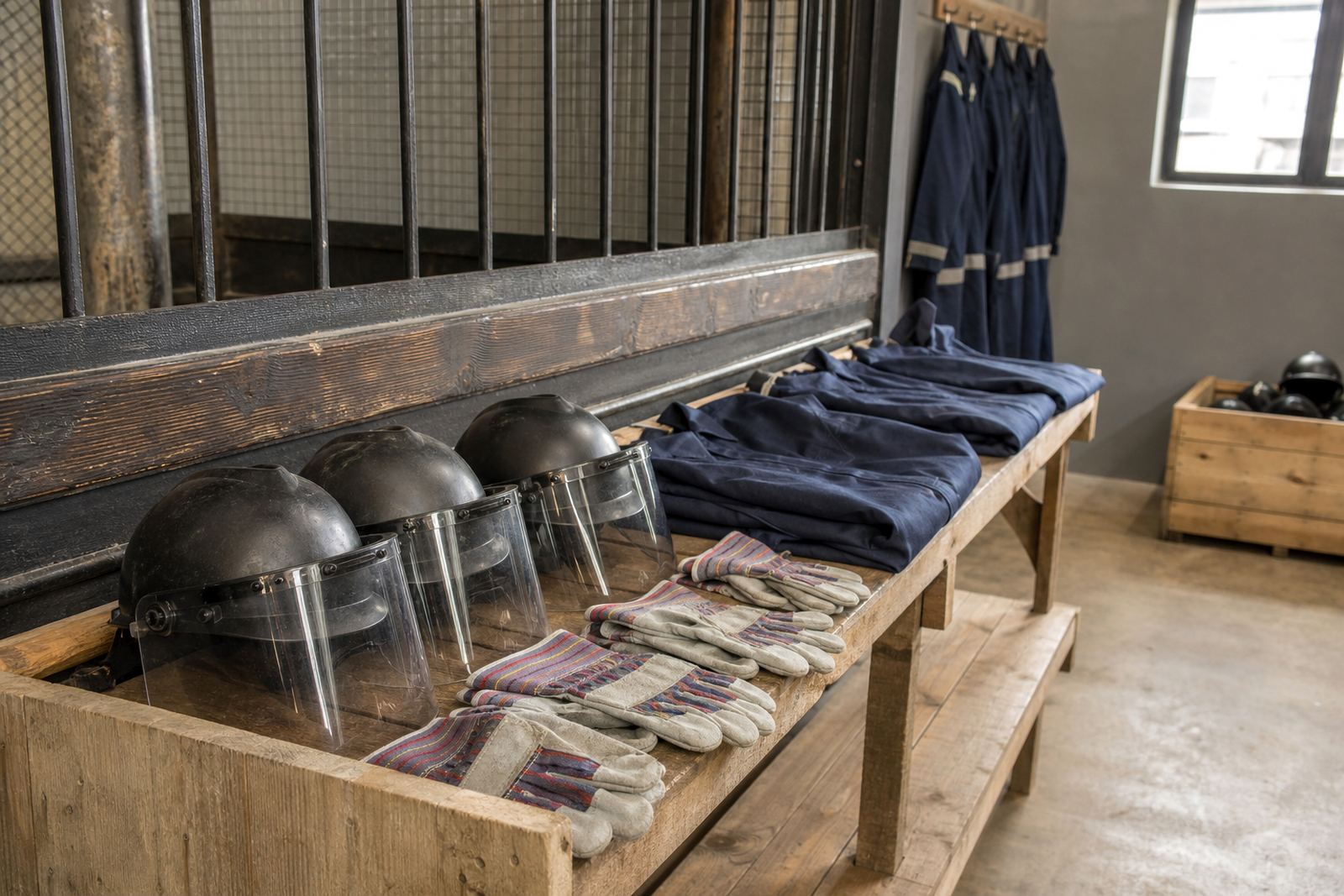
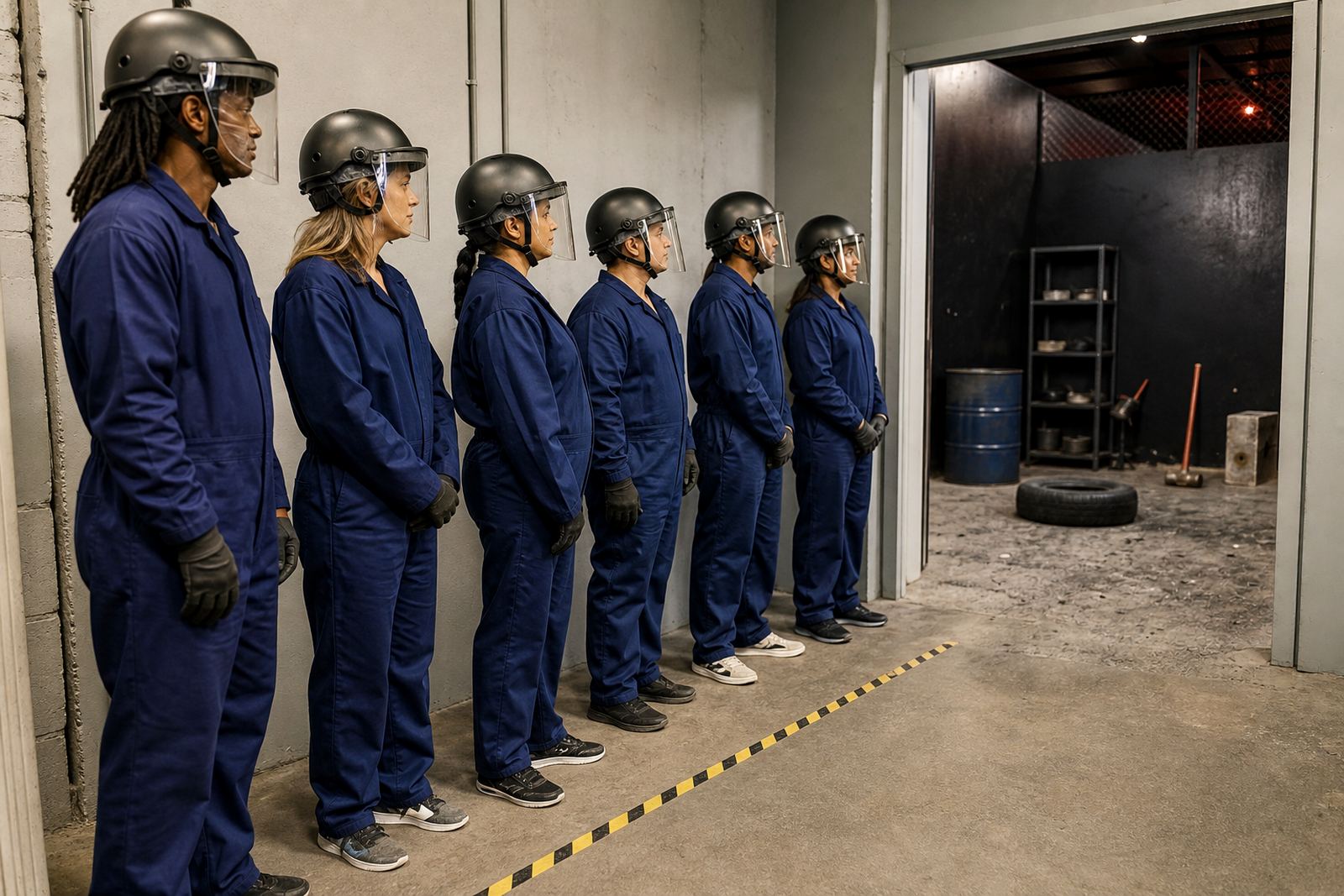
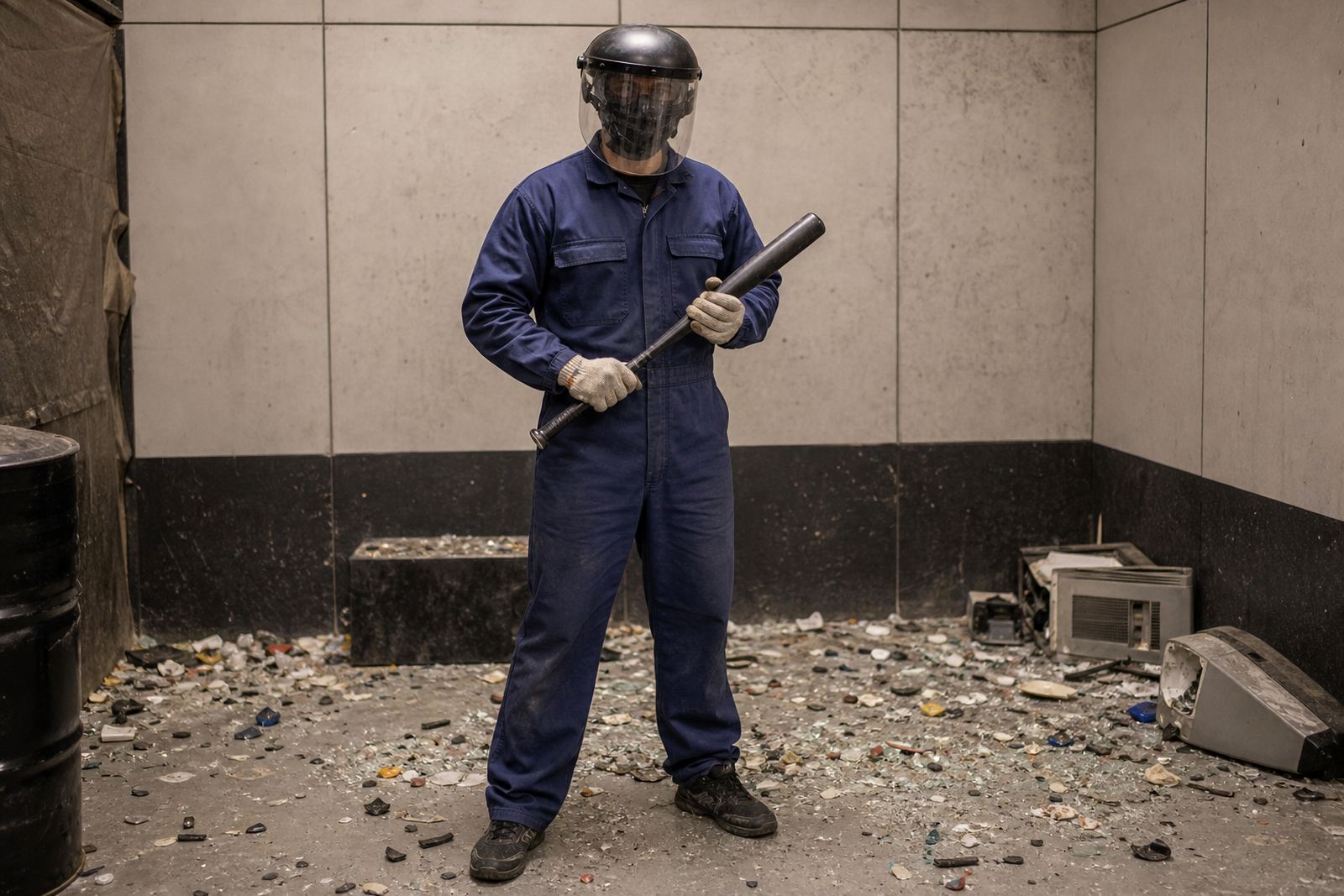
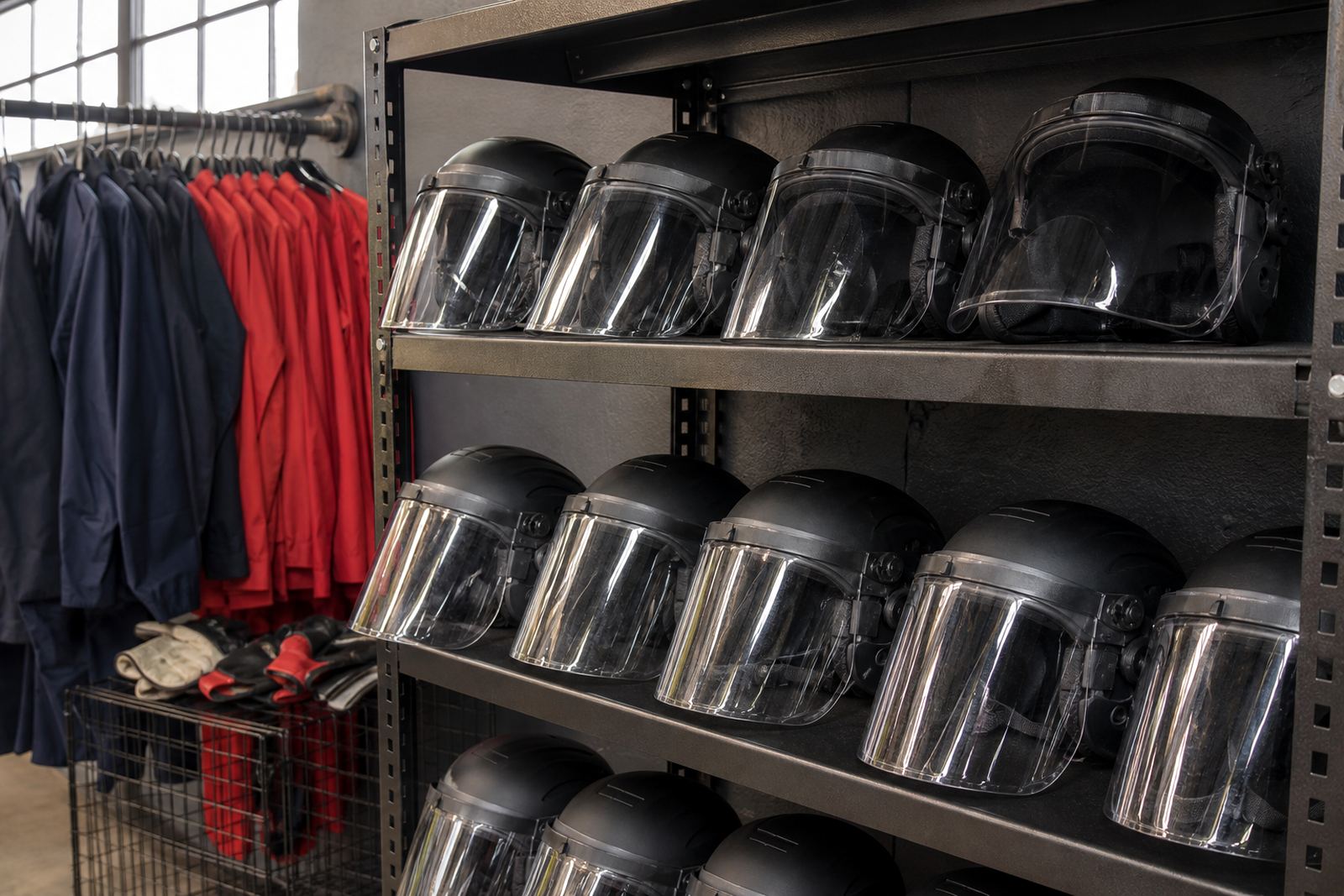
A helmet face shield is protective gear worn over the head and face during rage room sessions. It is there to help guard against flying chips, dust and small fragments while participants smash approved items in a controlled space. At SmashDown, this gear is used alongside gloves, overalls and closed shoes so each person is properly kitted before entering the room.
This is not a one-size-fits-all item. The helmet needs to sit firmly, the visor must cover the face properly, and the straps should be adjusted before the session starts. If the fit is loose, the gear can shift when moving around, so our team checks it before anyone goes in.
Sizes, fit and options available
We keep helmet face shields suitable for adult participants and for mixed group bookings where different head sizes need to be accommodated. The main point is a secure fit, clear vision, and enough coverage for the activity without making the helmet uncomfortable to wear for the full session.
- Adjustable headband or ratchet fit for different head sizes
- Clear visor for front face coverage
- Lightweight shell for easier wear during active sessions
- Compatible with our other protective gear
For some group events, especially birthdays, staff socials and team building sessions, it helps to let us know if anyone has a smaller or larger head size than usual. That way we can set aside the right gear before arrival and avoid delays at check-in.
Where this gear suits best
Helmet face shields are used for indoor rage room bookings in Woodstock and for organised group events across Cape Town, Stellenbosch, Paarl, Somerset West, Bellville, Observatory and Salt River. They suit individual sessions, private group bookings, company functions, student groups and mobile event setups where controlled smashing is part of the plan.
They are especially useful where there may be close movement in a shared space, or where multiple people are rotating through the room one after another. The face shield gives extra front coverage, which is why it is part of the standard safety set for most sessions. It also helps in coastal areas where humidity can make gear feel warmer, so proper fit matters.
How we brief and fit each participant
Before the activity starts, every participant gets a short safety briefing that covers how to wear the helmet, how to fasten the visor, and how to move safely in the room. We also explain what to do if the helmet feels loose, if the visor fogs up, or if someone needs to pause. That briefing is simple and practical, no fuss.
- Check the helmet size before entry
- Fasten the chin strap correctly
- Make sure the visor is clean and lowered
- Wear gloves, overalls and closed shoes as required
- Follow the marshal’s instructions throughout the session
We do not let participants start until the gear is fitted properly. For younger guests, minimum age rules apply and must be confirmed during booking. If someone is not comfortable in the gear, we sort that out before the session begins rather than after.
Power, installation and venue requirements
Helmet face shields do not require power, gas or water connections. They are fitted by hand and checked by the supervising team before use. That makes them suitable for indoor venues, temporary event setups and mobile bookings where electrical supply may be limited or affected by load-shedding.
The main requirement is a clean, dry staging area where staff can issue the gear, inspect the visor and adjust straps before participants enter the smash room. For events at offices, function venues or outdoor spaces, we advise having enough seating or table space for the briefing and gear check. In humid weather, the visors should be wiped down between uses to keep visibility clear.
Care, cleaning and servicing between sessions
We inspect the helmets regularly for cracks, loose straps, scratched visors and worn padding. If a visor is damaged, it should be taken out of service straight away because clear visibility is important during this type of activity. The gear is cleaned after use and stored in a dry place so it stays in good condition for the next booking.
For venues near the coast or in areas with lots of dust, regular checks matter even more. Salt air and fine grit can mark the visor or make fittings wear faster, so routine servicing helps keep the gear safe and comfortable. A quick clean is not enough if the straps or shell are damaged, and that is why proper inspection comes first.
What to check when ordering for your event
When you enquire about helmet face shields for a session or event, it helps to confirm how many participants need gear, the ages of the group, and whether the booking is for adults only. You should also tell us if the event is in Woodstock, another Cape Town suburb, or a mobile location elsewhere in South Africa so we can plan the right set-up.
- Number of participants and any rotations
- Age range of the group
- Venue type and space available
- Whether the event is private, corporate or social
- Any concerns about fit, glasses, or visibility
If you are organising a birthday, staff function or team event, the sooner the gear requirements are confirmed the better. It keeps the briefing short, the fit correct and the session running on time. For bookings and gear questions, send your enquiry through our contact page and we will come back with the next steps.
Key facts
| Product type | Protective helmet with face shield for rage room participants |
|---|---|
| Use | Face and head protection during controlled smashing activities |
| Fit | Adjustable adult sizing with secure straps |
| Materials | Protective shell, clear visor, padded interior, adjustable fastening |
| Power / gas needs | None |
| Care | Cleaned, inspected and stored dry between sessions |